

Got a bathroom sink stopper that’s seen better days or maybe caught a case of the dreaded clog? No sweat! Removing a drain stopper is a surprisingly simple DIY task, and I’m here to walk you through it, step by step. So, roll up those sleeves, and let’s get to it!
How to Remove Bathroom Sink Stopper
Step 1: Identify Your Stopper Type
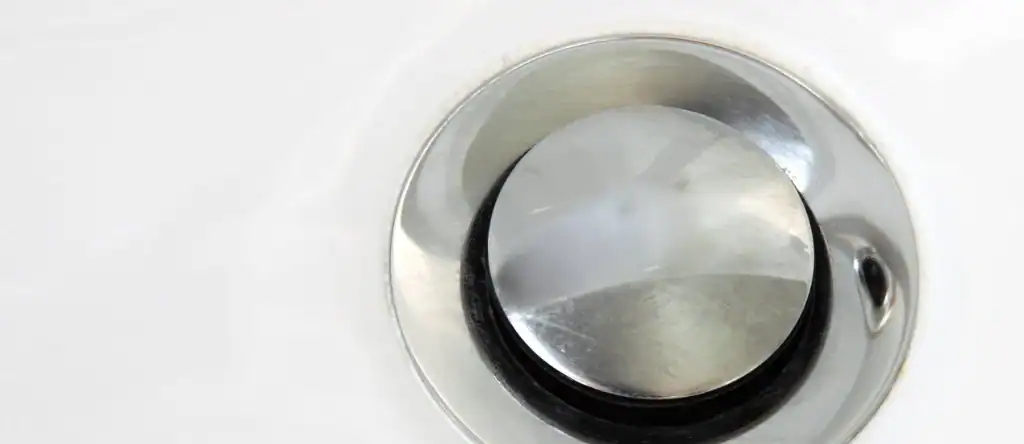
First off, figure out what type of stopper you have. Common types include the push-and-pull, the lift-and-turn, and the pop-up. They each have slightly different mechanisms, but the removal process is generally similar.
Step 2: Set Up Your Workspace
Lay down a towel or cloth under the pipes to catch any water, debris, or small parts that might fall during the process. Trust me, you don’t want to play hide and seek with a tiny screw under the bathroom cabinet.
Step 3: Remove the Stopper
Now, let’s get to the removal:
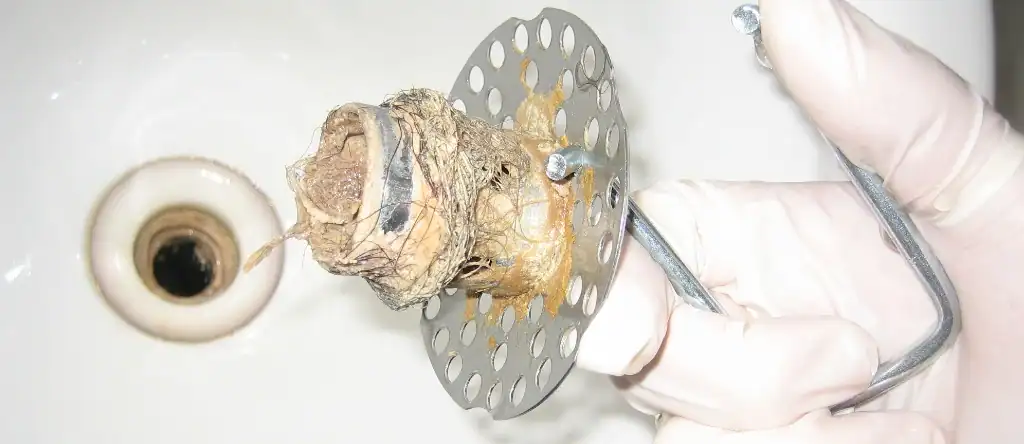
For a Push-and-Pull or Lift-and-Turn: These types often have a set screw located under the stopper’s cap. You’ll need to unscrew it (twist counterclockwise) with an Allen wrench or a flathead screwdriver. Once loose, you should be able to pull the stopper straight up and out.
Image Credit: SuSanA Secretariat
For a Pop-Up Sink Stopper: These are a bit different. Look for the lift rod behind your faucet that controls the stopper. Under the sink, you’ll see where this rod connects to a strap with several holes in it. Unscrew the pivot nut that holds the rod in place, and you can then remove the stopper from above.
Step 4: Clean and Inspect
With the stopper out, it’s a great opportunity to give it a good cleaning. Remove any gunk or hair that’s accumulated underneath (a little gross, but oh-so-satisfying). Also, inspect the stopper and the drain for any damage.
Step 5: Put It All Back Together
If everything looks good, just reverse the process to loosen and reinstall the stopper. Make sure everything is tightened back up but not overly tight – you don’t want to crack any of that pretty chrome.
Do you need to remove a bathroom sink stopper to replace a faucet?
When it comes to replacing a faucet, you might be wondering if the sink stopper needs to come out too. Here’s the deal: Generally, removing the sink stopper isn’t necessary for a faucet replacement. These parts of your sink work pretty independently of each other. However, there are a couple of reasons why you might want to consider it:
Clear Workspace
While it’s not a must, removing the stopper can give you a bit more room to maneuver, especially if you’re working a pipe in a tight space. It’s all about making the job as hassle-free as possible.
Opportunity for a Deep Clean
If you’re already in there swapping out the faucet, why not take the opportunity to clean or even replace the knob on the stopper? It’s a bit like vacuuming under the furniture – not strictly necessary, but hey, since you’re already there…
Check for Concurrent Issues
Removing the stopper allows you to inspect the drain for any issues that might affect your new faucet’s performance. It’s a good time to spot potential problems like clogs or wear and tear on drain pipes.
In short, while it’s not a requirement, there are benefits to removing the sink stopper when replacing a faucet. Think of it as a chance to do a comprehensive check-up on your sink’s overall health. And of course, if you get in there and find anything that makes you go, “Hmm, that doesn’t look right,” feel free to reach out to us at Chase The Plumber. We’re always here to lend a hand, advice, or tackle the job for you!
And There You Have It!
Removing and cleaning your bathroom sink stopper is a simple task that can solve a lot of slow-draining sink problems. Plus, it feels great to fix something with your own two hands!
If you run into any snags or just don’t feel like playing plumber today, give us a call at Chase The Plumber. We’re always ready to help out with bigger issues or even just take care of the small stuff so you can relax. Happy DIY-ing, and remember, for all your plumbing needs, big or small, we’re just a call away!

How Pipe Materials Affect Water Taste in Your Home
You fill a glass with tap water at the kitchen sink and notice a metallic taste or plastic taste. It’s understandable to feel concerned about

Water Meter Test for Leaks: What Your Water Meter Dial Is Telling You
A higher water bill without longer showers or a changed sprinkler schedule can leave you wondering what happened. Before assuming the bill is wrong, try

What to Do Immediately When You Find a Slab Leak
Finding water where it shouldn’t be is unsettling, especially when it seems to be coming from your floor. If you’re dealing with warm spots, an

How Long Does Repiping Take? A Complete Home Repipe Timeline
If your home has weak water flow, rusty-looking water, or leak after leak, you may be wondering: how long does repiping take? The quick answer

Pros and Cons of Trenching vs Trenchless Slab Leak Repair
If you have ever dealt with a damaged sewer line or a stubborn slab leak, you already know the sinking feeling that comes with it.

Can Tree Roots Cause Water Line Leaks? What Homeowners Should Know
A wet patch that never dries, an unexpected jump in the water bill, or lower pressure at several faucets can make you wonder what is