


Finding water where it shouldn’t be is unsettling, especially when it seems to be coming from your floor. If you’re dealing with warm spots, an unexplained increase in your water bill, or the sound of running water when every faucet in the house is off, you may be facing a slab leak. At Leak Chasers, we’ve helped countless Oklahoma City homeowners through exactly this kind of stressful discovery, and we know that what you do in the first few minutes and hours can make a real difference in how much damage, and how much money, you end up dealing with.
This guide walks through what to do immediately when you find a slab leak, why these leaks happen in the first place, and how our team approaches slab leak detection and repair so you can get back to normal as quickly as possible.
What Is a Slab Leak?

A slab leak occurs when a water pipe running beneath your concrete slab foundation develops a crack, hole, or corrosion point and begins leaking into the ground or up through the floor. Since roughly 63.2% of new homes built since 2019 sit on slab foundations, this is a far more common issue than most homeowners realize, and it’s one our team at Leak Chasers deals with regularly across the Oklahoma City metro.
Because the pipes are buried under the concrete slab, these leaks aren’t always obvious right away. A leaky pipe under the floor can go unnoticed for weeks or even months, quietly causing water damage, mold growth, and structural issues before anyone realizes what’s happening. That’s exactly why early detection matters so much, and why we always encourage homeowners to act the moment they suspect something is wrong.
Immediate Steps to Take When You Suspect a Slab Leak
1. Shut Off the Main Water Supply
The very first thing to do is shut off the main water supply. This stops water from c ontinuing to flow through the broken pipe and helps limit further water damage to your flooring, walls, and foundation. Every household should know where their main shutoff valve is located, but if you’re not sure, Oklahoma City residents can request city services to help locate it.
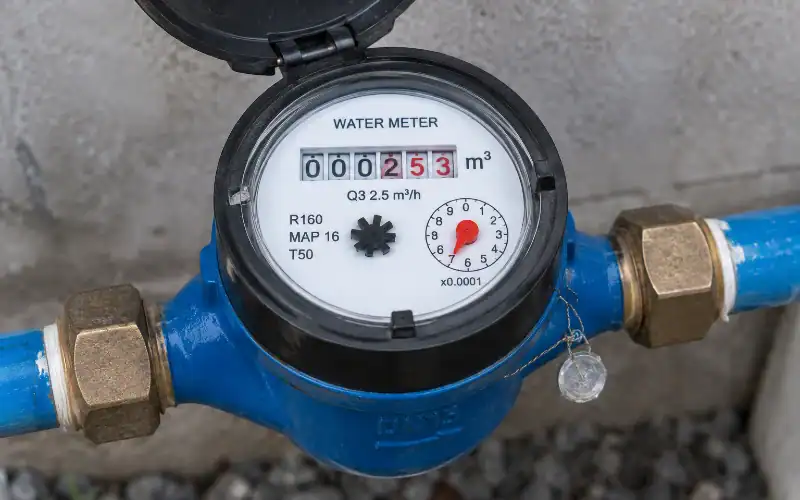
2. Check Your Water Meter
Once the water is off, head to your water meter and watch it closely. If the dial is still moving even with every fixture in the house shut off, that’s a strong sign of a leak somewhere in your main supply line. This simple check is one of the fastest ways to confirm you’re dealing with a real issue and not just a coincidence of high water bills from another cause.
3. Look for Warm or Damp Spots on the Floor
Walk through your home and pay attention to warm spots or damp patches on the floor, particularly if you have a hot water line running under the slab. A warm spot usually means a hot water pipe is leaking, while cool, damp areas often point to a leak in the cold water line. Either way, these are classic warning signs that shouldn’t be ignored.
4. Inspect for Cracks in Walls or Flooring
Shifting soil and water leaks under the slab can eventually lead to cracks in your walls or flooring. If you notice new cracks, uneven flooring, or doors and windows that suddenly stick, this could indicate the leak has been present long enough to start affecting your home’s foundation. The sooner this is caught, the less likely you are to face extensive damage and costly foundation repairs down the road.
5. Document the Damage for Insurance Purposes
Before any repair work begins, take photos of any visible water damage, cracks, or affected flooring. Documenting damage before repairs helps significantly when filing a claim with your insurance provider. It’s a small step that can save a lot of hassle later.
6. Call a Professional Plumber
Once the water is shut off and you’ve done a basic inspection, it’s time to call in experienced plumbers who specialize in leak detection. This is where Leak Chasers comes in. Our trained technicians use advanced tools, including electronic acoustic devices, to pinpoint the exact location of the leak without tearing up your entire floor. We’re available during regular business hours and ready to respond quickly when you need us most.
Why Do Slab Leaks Happen?
Understanding why slab leaks occur can help you spot the warning signs earlier next time. A few of the most common causes we see include:
Shifting soil. Oklahoma City sits on a lot of clay soil, which expands and shrinks with changing weather and moisture levels. That constant movement puts pressure on the water pipes running beneath the concrete slab, and over time it can cause a pipe to crack or break. Sandy soil can create similar problems by shifting and settling unevenly around buried pipes.
Corrosion. Older homes often have galvanized steel or copper water pipes that corrode over time, especially if the surrounding soil has high mineral content. Corrosion weakens the pipe walls until they eventually give way.
High water pressure. Consistently high water pressure will put extra strain on your plumbing system, and pipes under the slab are no exception. Over months and years, that added stress can cause a pipe to fail.
Poor installation. Sometimes a slab leak occurs simply because the original plumbing wasn’t installed correctly, leaving pipes more vulnerable to friction, corrosion, or pressure damage.
Warning Signs You Shouldn’t Ignore
Beyond the immediate checks above, keep an eye out for these ongoing warning signs of a slab leak:
- An unexplained increase in your water bills without a change in usage
- Low water pressure or a sudden drop in water pressure throughout the house
- The sound of running water when nothing is turned on
- Mold growth or mildew growth in areas with no obvious source of moisture
- Warm spots on the floor, especially in homes with radiant heating
- Cracks in the concrete slab, walls, or flooring
If you notice any combination of these signs, it’s worth calling in a repair specialist sooner rather than later. Household leaks that go undetected for too long tend to turn into much bigger, more expensive problems.
How Leak Chasers Approaches Slab Leak Detection
At Leak Chasers, our process starts with pinpointing the exact location of the leak before any repair work begins. There’s no reason to tear apart your entire concrete slab when modern leak detection technology can narrow things down to a precise spot. Our professional plumbers use specialized equipment to trace the sound and vibration of water moving through a broken pipe, which allows us to confirm the location of the leak with confidence.
Once we’ve identified the problem area, we walk you through your repair options so you can choose what makes the most sense for your home and budget.
Slab Leak Repair Options
There isn’t a single one-size-fits-all fix for a slab leak. Depending on the severity and location of the leak, we typically recommend one of the following:
Spot repair. For a leak that’s isolated to a small section of pipe, a spot repair allows us to access just that portion of the slab, replace the damaged section with a new pipe, and patch the concrete floor. This is often the fastest and most affordable option.
Epoxy pipe lining. For pipes that are showing widespread corrosion or multiple weak points, an epoxy pipe liner can be applied inside the existing pipe to seal leaks and reinforce the pipe walls without blocking water flow. This method avoids extensive digging and can extend the life of your plumbing significantly.
Pipe re-routing. In some cases, rather than repairing the damaged pipe, it makes more sense to reroute the water line entirely, installing new pipes above the slab or through the walls and attic. This creates a leak-free path that bypasses the problem area altogether.
Tunneling. For leaks in hard-to-reach areas, tunneling underneath the slab allows our team to access and repair the pipe without disrupting your flooring at all.
Our repair specialists will always recommend the option that best balances effectiveness, cost, and disruption to your home.
What Slab Leak Repair Costs to Expect
Every home and every leak is different, but here’s a general idea of what repair costs can look like:
- Locating a slab leak typically runs between $150 and $400
- Spot repairs and general slab leak repair can range anywhere from $150 to $6,000 depending on severity
- Repairing cracks in the foundation usually falls between $250 and $800
- Foundation leveling, if needed, averages $1,000 to $3,000
The repair process and final cost will depend on the extent of the damage, the location of the leak, and how long it went undetected. This is exactly why early detection saves homeowners money. Catching a slab leak quickly limits the risk of structural issues, mold growth, and the kind of extensive damage that turns a moderate repair into a major renovation project.
Don’t Wait on a Slab Leak

Water leaks under your home’s foundation are not something to put off. A small leaky pipe today can turn into serious foundation damage, mold growth, and much higher water bills tomorrow. If you’ve noticed any of the warning signs we’ve covered here, from a sudden drop in water pressure to unexplained higher water bills, don’t wait to find out what’s causing it.
Leak Chasers has built a reputation across Oklahoma City, Edmond, Bethany, Nichols Hills, The Village, Warr Acres, and Yukon for fast, accurate leak detection and honest repair recommendations. Our experienced plumbers are ready to help you protect your home’s structural integrity before a small problem becomes a costly one.
If you suspect a slab leak in your home, reach out to Leak Chasers for reliable OKC slab leak repair and let our trained technicians locate and fix the problem quickly, so you can get back to living in your home with confidence.