


If your home has weak water flow, rusty-looking water, or leak after leak, you may be wondering: how long does repiping take? The quick answer is two to five working days for most homes. Smaller homes with easy access may finish sooner; complex homes may need a week.
That estimate covers plumbing work, but not always the full timeline. Permits, scheduling inspections, drywall repair, and painting can add time before or after the new pipes are installed. Every house is different, so a plumber needs to see the layout before promising an exact completion date.
At LeakChasers, we know a whole-house repipe sounds disruptive. This is why we explain the process, protect the home, and preserve water access whenever possible. Thoughtful planning keeps the repiping project moving with minimal disruption to daily life.
Whole-House Repiping Timeline at a Glance
For an average home, active installation usually takes two to five days. PEX installation typically takes 2–3 days under standard conditions. Homes larger than 2,500 square feet may take 4–7 days, especially when they have multiple bathrooms, several floors, or difficult wall access. Smaller homes with fewer fixtures may finish in one or two days.
One-day repipes can be realistic for certain smaller homes with a specialized crew, but they are not guaranteed. Careful routing, secure connections, pressure testing, and code compliance matter more than an arbitrary deadline.
The full timeline may also include permit approval, a final inspection, and surface restoration. The plumbing installation might finish in days even when the entire project spans more than a week.
What Happens During the Repiping Process?
A whole-home repipe replaces unreliable supply lines throughout the property. It covers the water lines serving sinks, showers, toilets, appliances, and the water heater. Drain and sewer pipes are separate unless included in the agreement.
Inspection and Planning
Before work begins, our licensed plumber performs a thorough inspection. The plumber identifies the existing pipes, counts plumbing fixtures, checks water pressure, and looks for corrosion or hidden leaks. Our crew then plans the main lines and branch lines.
Routing pipes through an attic, crawlspace, or cabinet is faster than working through finished walls. For a house on a concrete slab, new lines may run above the slab. Because existing under-slab lines may need to be abandoned and rerouted through walls or the attic, homes with slab foundations can require additional planning and access work. Planning ensures the project stays organized and creates fewer surprises.
Preparing the House and Creating Access
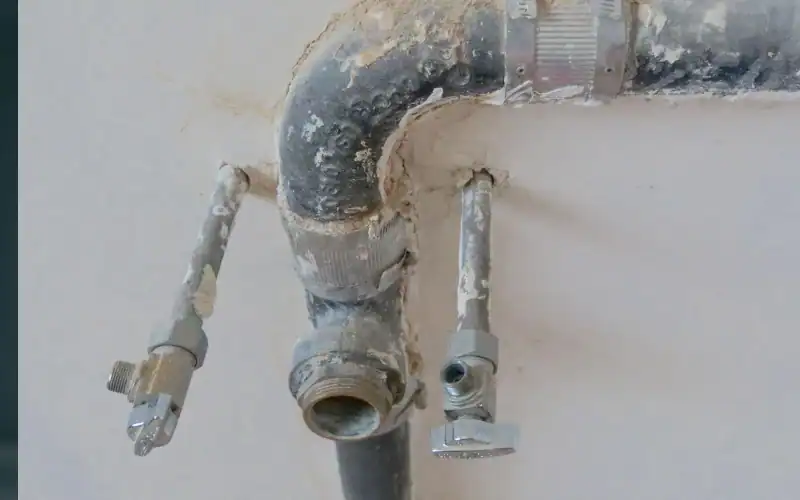
On the first day, our team protects floors and furnishings. Homeowners should clear areas below sinks and move fragile belongings. Small access holes in walls or ceilings let plumbers reach connections and guide new lines into place.
Access holes do not mean entire walls must be removed. Our team makes controlled openings only where needed. Confirm whether drywall patching, texture, and paint are included or handled by another contractor.
Installing the New Water Lines
Our crew begins replacing or bypassing the old pipes once access is ready. New hot and cold water supply lines are supported and connected to each fixture and the water supply. When the plumbing layout allows, we can work in sections to limit water shutoffs and keep other fixtures usable.
Existing plumbing does not always require removal. When local codes and project conditions allow, inaccessible pipes may be disconnected, drained, and left in place while new pipes follow a more accessible route. The approach depends on materials, condition, layout, and local building codes.
Testing, Inspection, and Restoration
After installation, pressure testing confirms that connections hold. We check fixtures for leaks, flow, and balanced pressure. Building codes may require the plumbing to remain exposed until an inspector approves it.
Once approved, openings can be patched. Drywall compound must dry before texturing, sanding, and painting. A final walkthrough covers fixture operation, shutoffs, cleanup, warranties, and remaining restoration.
Several Factors Affect How Long a House Repipe Takes
Two houses with the same square footage can still have very different repiping schedules. These are the variables we look at first.
Home Size and Number of Fixtures
Square footage matters, but fixture count often reveals more. A compact house with three bathrooms may require more connections than a larger home with one bathroom. Laundry hookups, outdoor faucets, appliances, and extra water heater connections add work.
Single-story homes are often quicker because crews can reach plumbing from an attic or crawlspace. Two-story homes may add roughly half a day or more because plumbers must route lines between floors. Additional floors, home additions, or long runs may require complex routing and more access points.
Existing Pipe Material
Existing pipe material affects planning. Galvanized steel pipes are common in older properties. As galvanized steel corrodes, pipes narrow, contributing to discolored water and low water pressure. Recurring leaks may show that isolated repairs are no longer enough.
Older copper supply lines can develop pinhole leaks related to water chemistry, installation, or age. LeakChasers offers repiping installation and slab leak detection and repair, helping homeowners compare a localized repair with a whole-house solution.
New PEX Versus Copper Piping
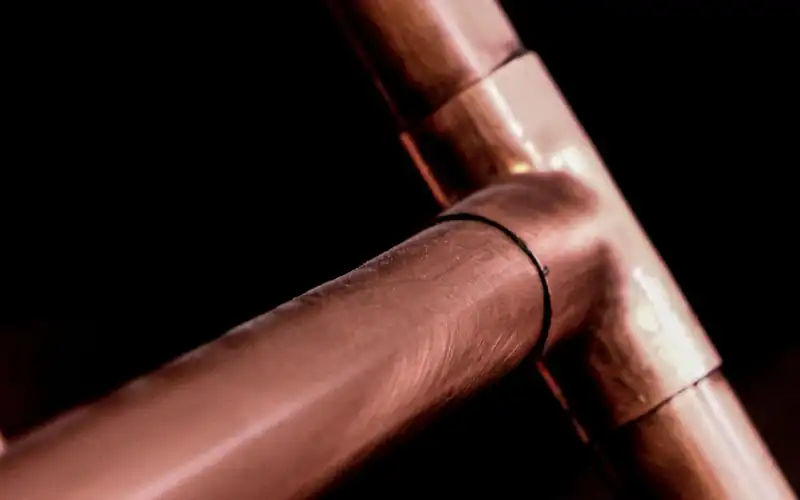
New PEX can bend around corners, often requiring fewer joints and fittings than copper piping. That can speed installation and reduce the number of wall openings. On a straightforward project, PEX installation often takes 2–3 days, although home size, access, and crew size can change that estimate. PEX pipes are often expected to last 40–50 years when installed correctly and operated within their rated temperature and pressure limits.
Copper piping is rigid, so installing copper lines requires more measuring, cutting, and joining. As a result, a copper repipe may take a day or two longer than a comparable PEX project. However, copper pipes can last 50–70 years with proper installation and favorable water conditions. Both materials can perform well, so budget, local requirements, and the entire water supply system should guide the choice.
Pipe Access and Unexpected Conditions
Easy access through unfinished spaces speeds the work. Tile walls, cabinets, finished basements, narrow framing, and slab construction can slow the process. Remodeling may reveal unexpected framing, wiring, or plumbing.
An experienced team allows for these possibilities. Preparation reduces rushed decisions and helps minimize disruption.
Permits and Inspection Availability
Permit rules vary by city. Even when active work hours total a few days, reviews or scheduling inspections may extend the calendar. The final inspection often occurs before walls close.
Ask who obtains the permit, contacts the inspector, and arranges restoration. A written scope keeps the repiping timeline clear.
How Long Will the Water Be Off?
Many homeowners are more concerned about losing water than the total number of days. Fortunately, the entire home is not always without water for the whole project.
Some daytime water shutoff is usually necessary while plumbers disconnect existing pipes and connect the new supply lines. Water can often be restored near the end of work hours, depending on the installation stage and whether the system is safe to activate.
Ask when water will be turned off and restored each day. Store drinking water, finish laundry, and plan showers beforehand. Discuss medical or household water needs during scheduling.
Can You Stay Home During a Whole House Repipe?
Most homeowners can remain in the house. Expect daytime noise, dust protection, temporary openings, and limited fixture use. Secure pets away from work areas; remote workers may prefer a quieter location.
At LeakChasers, our licensed and insured plumbers focus on safety, efficient service, careful workmanship, and clear communication. Homeowners should know when each bathroom or faucet will be available.
How to Prepare for Repiping
A little preparation before the crew arrives can prevent avoidable delays. Clear cabinets beneath sinks, remove nearby wall decorations, and open paths to fixtures. Relocate electronics and valuables, plan for pets, and photograph finished surfaces before work begins.
Confirm the pipe material, fixture count, routes, workdays, permits, testing, cleanup, and wall repairs. Ask whether replacing valves, connectors, or the water heater connection is included. That way, everyone knows what is included before the first access hole is made.
Signs It May Be Time to Repipe
Age alone does not prove every pipe needs replacement. However, repeated leaks, discolored water, corrosion, poor flow, and pressure problems deserve attention. Repeated repairs can become expensive while leaving the plumbing system vulnerable.
LeakChasers can inspect the system, trace hidden problems, and explain the options. Our Edmond leak detection and slab leak repair services can help us find the source. If the inspection reveals another issue, we also handle general plumbing and water heater work.
Frequently Asked Questions
Can repiping be completed in one day?
Some small houses with fewer fixtures and excellent access may qualify for a one-day installation. However, many projects require two to five days. Inspection, testing, permits, and wall repair can also extend the full timeline.
Does a repipe include drain pipes?
A standard house repipe generally replaces pressurized hot and cold water supply lines. Drain, waste, vent, and sewer pipes are different systems and are included only when specified in the proposal.
Is PEX faster to install than copper?
PEX can often be routed with fewer connections and smaller openings, which may reduce labor. The actual schedule still depends on the house layout, number of fixtures, crew size, and inspection requirements.
Will repiping damage my walls?
Plumbers typically need controlled openings to reach fixtures and route new piping. An experienced crew limits unnecessary cuts, but homeowners should confirm who is responsible for drywall, texture, and paint restoration.
Get an Accurate Repiping Timeline for Your Home
So, how long does repiping take? For most homes, expect roughly two to five days of installation, with additional time possible for permits, inspection, drywall finishing, and paint. Home size, materials, fixture count, access, and routing all influence the final schedule.
A plumber cannot give you a reliable schedule without first walking through the house and seeing how the existing pipes are routed. If recurring leaks or aging pipes concern you, contact LeakChasers at (405) 751-7777. We will assess the system, discuss materials, and plan new pipes throughout the entire home, with minimal disruption from start to final walkthrough.