

A wet patch that never dries, an unexpected jump in the water bill, or lower pressure at several faucets can make you wonder what is happening beneath the yard. If mature trees are nearby, the next question is often: can tree roots cause water line leaks?
Roots usually do not break through healthy plumbing on their own. Instead, they tend to follow moisture toward cracks, loose joints, or other existing weak points, where continued growth can make the damage worse.
At LeakChasers, we track down leaks homeowners cannot see. Underground water pipes, sewer and water lines, and plumbing below slabs can all create symptoms at the surface, so the goal is to identify the actual failure before deciding on a repair.
How Tree Roots Damage Underground Pipes
Roots grow where moisture, oxygen, and nutrients are available. The surrounding soil near a leaking pipe can provide exactly that. Even a tiny opening at pipe joints may create a damp area that attracts roots.
Tree roots rarely force their way into intact pipes. Fine feeder roots can follow moisture toward a cracked pipe or separated joint. Once they find an opening, they may grow inside and gradually form a larger root mass. Once inside, a small root can turn into a larger root mass. In a sewer pipe, that mass catches debris and restricts water flow. Around a water line, roots and moving soil can add stress to an already damaged pipe.
That is why tree roots damage older plumbing so often. Aging infrastructure, corrosion, poor installation, soil movement, and weakened joints may create the problem before roots ever become involved. Once moisture begins escaping through weakened pipe walls or a bad connection, that moisture attracts roots toward the area.
Water Lines and Sewer Lines Fail Differently
Tree root intrusion is especially common in sewer lines and drain pipes. Older clay tile, cast iron, and aging pipes can develop gaps or cracks that let moisture and even warm water vapor escape into the soil. Tree roots find those damp areas and grow toward them.
As tree roots grow inside a main sewer line, they can catch paper, grease, and waste. Homeowners may notice slow drains, slow drainage, gurgling sounds, sewer gas, or wastewater backing up through a basement floor drain. Severe sewer line damage may also allow leaking sewage into the surrounding soil. In serious cases, leaking sewage from damaged underground pipes can contaminate groundwater and create a larger sanitation concern.
Water lines are pressurized, so tree root intrusion is less likely to look the same. If we suspect tree roots around underground water pipes, we also look for corrosion, a failed connection, cracked material, or soil movement that may have started the leak.
Which Pipes Are Most Vulnerable?
Age and condition matter as much as material. Older cast iron and steel pipes may corrode, while clay tile sewer lines can shift or separate at the joints. Clay tile sewer lines can shift at the joints. Modern PVC pipes resist root intrusion well when they are properly installed and remain intact.
Even newer pipe sections can fail after excavation, installation damage, or ground movement. A huge tree does not automatically mean there is a plumbing problem, and small trees are not automatically harmless. Tree species, soil, distance from the line, moisture, and root direction all affect risk.
Large trees with extensive root systems may reach buried lines from farther away than expected. They do not simply send deep roots straight downward; many roots spread through soil layers where water and oxygen are easiest to find.
Warning Signs of Root or Water Line Damage

Root damage underground is hard to diagnose from the yard alone. A wet area beneath a tree could come from irrigation, rain, drainage, or a plumbing leak.
One clue is unexplained water use. If every fixture is off but the meter still shows constant flow, water may be escaping somewhere in the plumbing system. You may also see soggy soil, an unusually green patch of grass, erosion, or lower pressure throughout the house.
Sewer symptoms are different. Recurring slow drains, backups, odors, or gurgling sounds can point to trouble in the drain lines or main sewer line.
If you suspect tree roots, do not blame the nearest tree automatically. A professional can identify root damage and determine whether the problem is a water line leak, sewer line damage, or something else.
How Plumbers Diagnose Root and Pipe Problems

The inspection depends on the pipe involved. For a pressurized supply line, water line inspections may include meter testing, pressure testing, line locating, and specialized leak-detection equipment.
For a sewer or drain, a sewer camera inspection can show roots, broken pipe sections, offsets, buildup, or other internal damage. Properties with older pipes, mature trees, or a history of root intrusion may also benefit from regular video camera inspections. Depending on the age and condition of the system, inspections can be done every one to three years and can help catch developing root growth before it turns into a major blockage or sewer backup.
LeakChasers provides leak detection, slab leak detection and repair, drain cleaning, sewer service, and general plumbing throughout the Oklahoma City area. We focus on finding the source before unnecessary digging begins.
What If Tree Roots Are Invading a Sewer Line?
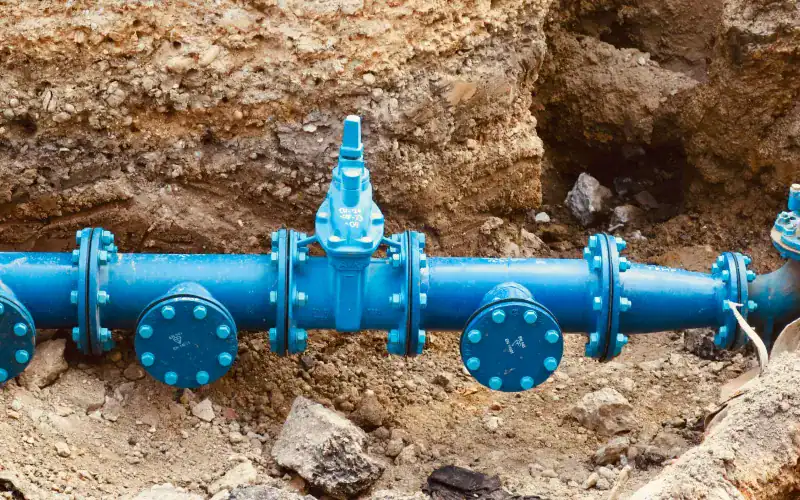
When tree roots invading a sewer are caught early, several methods may be available depending on how severe the blockage has become.
Mechanical root cutting can clear moderate root blockages by cutting through roots that have grown into the sewer pipe. Water jetting is another option. It uses high-pressure water to break apart and remove root growth, buildup, and debris that may be restricting the line.
Clearing the blockage can restore flow, but removing the root mass does not repair the opening that let the roots inside.
If roots entered through a loose joint or cracked sewer pipe, new root growth can return through that same opening as long as moisture continues escaping. Depending on pipe condition, the permanent solution may involve pipe lining, trenchless pipe lining, pipe bursting, or pipe replacement.
Trenchless pipe bursting can replace a badly damaged underground pipe while requiring considerably less excavation than traditional open-trench replacement. The old damaged pipe is broken apart as a new line is pulled into its place. That can be useful where a sewer runs beneath landscaping, driveways, or other areas homeowners would rather not excavate extensively.
The right choice depends on the pipe material, structural damage, property layout, and nearby underground utilities. At LeakChasers, we handle sewer main breaks, blockages, drain cleaning, and related plumbing repairs, so we can look beyond the immediate clog and determine why it happened.
Can Roots Cause a Water Line to Need Replacement?
Yes, but root contact alone does not make replacement necessary. A single break in an otherwise sound line may be repairable. When water pipes have widespread corrosion, repeated failures, multiple weak joints, or extensive age-related damage, pipe replacement may make more sense than fixing one spot after another.
If a replacement route would run directly through aggressive root systems, rerouting may also be worth considering. The goal is not automatically to kill roots or remove a healthy tree. Sometimes the better approach is to move vulnerable plumbing away from the most problematic area.
LeakChasers also provides repiping and water line installation, so the repair can be based on the actual condition of the system rather than a one-size-fits-all fix.
Will Tree Roots Come Back?
Will tree roots return after a sewer line is cleared? They can if moisture is still escaping through the same opening. A cracked pipe may keep releasing moisture, and that moisture attracts roots toward the same location even after the original blockage has been removed.
Cutting roots at the surface is not a lasting answer either. Roots can regrow, and cutting major structural roots may damage or destabilize mature trees. Fixing the leaking or broken pipe removes the opening that allowed the problem to develop.
For homes that have experienced repeated root intrusion, regular inspection and preventive maintenance can help catch new root growth before another major clog develops.
What About Copper Sulfate and Root Killers?
Copper sulfate, copper sulfate crystals, and other chemical root killers are sometimes used to control root growth inside drain or sewer piping.
Chemical root treatments may have a place as preventive maintenance in certain plumbing systems, particularly after roots have been professionally cleared and the line is still structurally sound. They may slow or control smaller roots before another dense root mass develops. If this method is used, follow the product label and local regulations carefully, since approved uses and restrictions can vary.
However, homeowners should not confuse these treatments with an actual pipe repair. Even if a chemical treatment helps kill roots inside a drain, the crack or joint failure remains.
Products may also be inappropriate for certain plumbing systems, septic systems, or septic tanks, so chemical root killers should be used carefully and according to professional recommendations.
If the pipe itself has failed, repairing, lining, or replacing the damaged pipe is the more permanent solution. The same applies to other treatments marketed for tree root intrusion: controlling root growth can help prevent a blockage, but it does not rebuild cracked pipe walls or reseal failing joints.
Can You Prevent Tree Root Damage?
Prevention starts before you plant trees. First, know where underground utilities and buried lines run. As a general minimum, keep trees at least 10 feet from sewer lines, and provide considerably more clearance for large trees or species with aggressive root systems.
Slow-growing trees are sometimes recommended near developed areas, but growth rate alone does not determine root behavior. Choose smaller-maturing trees and species with less aggressive root systems when planting near plumbing, patios, foundations, or utility routes. The right tree species in the right location can reduce the chance of future conflicts between landscaping and underground infrastructure.
Root barriers can sometimes redirect root growth away from vulnerable areas, but placement matters. Poorly installed root barriers may simply send roots around or beneath them, while trenching too close to an established tree can damage important roots.
Most tree roots are not deliberately searching for pipes. They are responding to favorable conditions in the soil. Keeping pipe connections sound and repairing a leaking pipe promptly reduces the moisture that attracts roots in the first place.
For an older property with mature landscaping, knowing where sewer and water lines run can also make future planting decisions easier.
Do You Have to Remove the Tree?
Usually, no. A mature tree near a leak may be innocent, or its roots may only be taking advantage of a pipe that was already failing.
When a tree has a particularly aggressive root system or sits directly over the only practical repair route, removal may become part of the discussion. But localized repair, rerouting, pipe lining, pipe bursting, or replacement should usually be evaluated first.
The same thinking applies when you plant trees near a new home. Plan for the future size of both the canopy and root system, not just how the tree looks today.
When to Call Plumbers in Oklahoma City
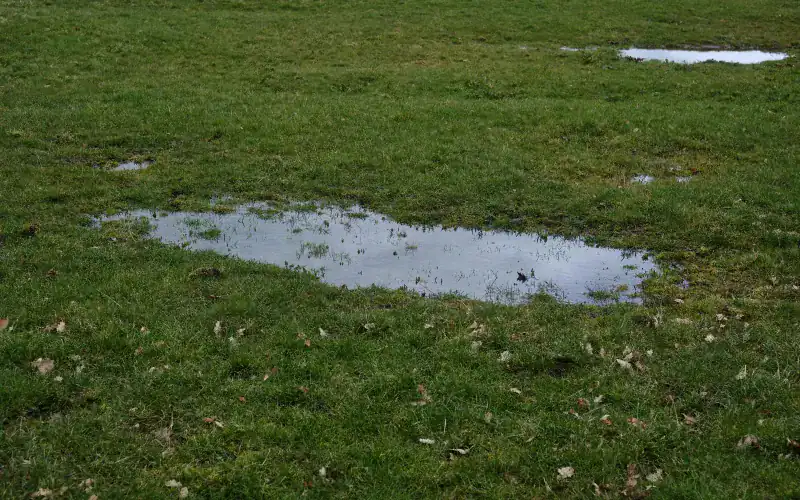
If your water bill keeps rising, your meter moves when everything is off, the yard stays wet, or pressure changes throughout the home, it is worth checking the water line. For sewer trouble, repeated clogs, gurgling sounds, sewer gas, or backups through a low drain are good reasons to inspect the main line.
At LeakChasers, our plumbers in Oklahoma City handle leak detection, water line work, repiping, sewer and drain problems, slab leak detection and repair, and general plumbing. We want to find the cause first, then recommend the repair that fits the condition of the piping.
Digging up the yard simply because there is a large tree nearby can create unnecessary cost and disruption. A more useful first step is figuring out whether you actually have a leak, where it is, and what caused the damaged pipe.
FAQs About Tree Roots and Water Lines
How Do I Know if Tree Roots Damaged My Water Line?
A wet yard, unusual water use, reduced pressure, or constant meter movement can indicate a leak, but none proves root damage. A plumber needs to locate the leak and inspect the affected area to identify root damage and its cause.
Can Tree Roots Break PVC Pipes?
PVC pipes with secure joints are relatively resistant to root intrusion. Trouble can still develop if the pipe cracks, a connection separates, or soil movement causes damage. Escaping moisture can then attract nearby roots.
Are Aggressive Roots More Likely to Damage Plumbing?
An aggressive root system or a tree with extensive root systems may increase the chance of roots reaching underground pipes, but size alone does not determine risk. Pipe condition, soil, moisture, root direction, and distance all matter.
Should I Cut Tree Roots Near a Water Line?
Not before the plumbing problem is diagnosed. Cutting structural roots can injure or destabilize a tree, and it will not repair a damaged pipe. Find the leak first, then determine whether root management is actually necessary.
Fix the Pipe, Not Just the Symptom
So, can tree roots cause water line leaks? Yes, but roots are often only one part of the story. Aging pipes, loose connections, corrosion, shifting soil, or earlier damage may create the weakness that brings roots into the picture.
If you notice warning signs around your Oklahoma City property, call us at (405) 751-7777. LeakChasers can locate the problem, determine whether roots are involved, and recommend a practical long-term repair. Depending on what we find, the answer might be mechanical root cutting, water jetting, a focused water line repair, sewer clearing, trenchless repair, repiping, or another solution—not unnecessary digging based on a guess.