Slab leaks are every homeowner’s nightmare. They sneak in unnoticed, causing structural damage, water waste, and costly repairs. The good news? Routine plumbing inspections can catch problems before they spiral out of control. At Leak Chasers, we believe in stopping leaks before they drain your wallet. That’s why scheduling an annual plumbing inspection is one of the smartest moves you can make for your home or commercial property.
Why Plumbing Inspections Matter

Plumbing inspections aren’t just for old houses or homes with obvious issues. Even a newer system can develop leaks, clogs, or pressure problems. Regular inspections help spot trouble early—saving homeowners from expensive repairs, mold growth, and water damage. A thorough inspection also helps keep water pressure consistent and detects hidden leaks that could be quietly raising your water bill.
Related Article: 5 Advanced Slab Leak Detection Methods Explained
The Hidden Dangers of Slab Leaks
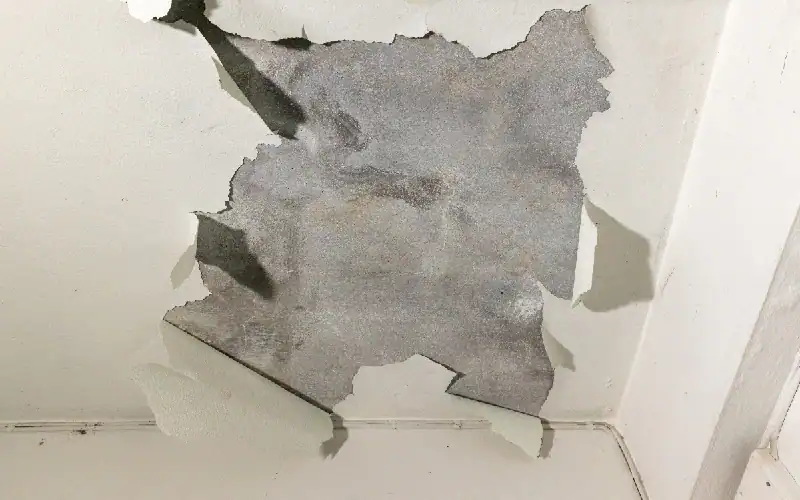
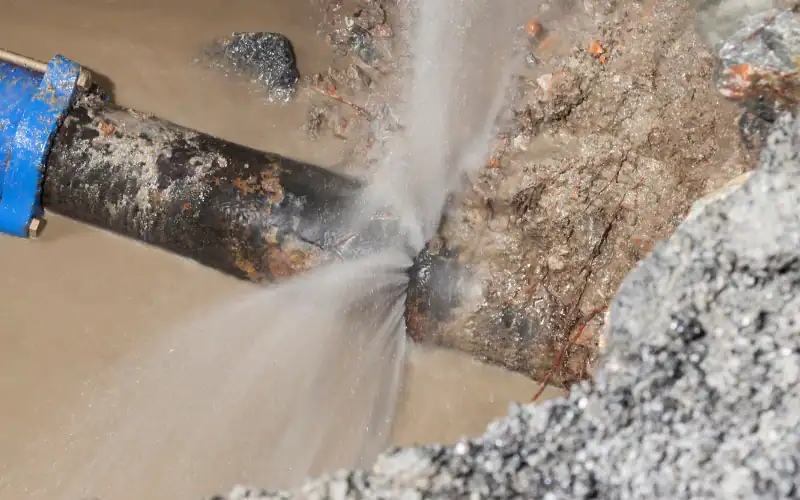
A slab leak happens when water lines beneath your foundation develop leaks due to corrosion, shifting soil, or old age. Since they’re underground, they’re hard to notice—until they start causing serious damage. Left unchecked, slab leaks can weaken your foundation, lead to mold growth, and create sky-high water bills. That’s why regular plumbing inspections are key. A trained plumber can spot the early warning signs and prevent a small issue from turning into a disaster.
What Happens During a Plumbing Inspection?
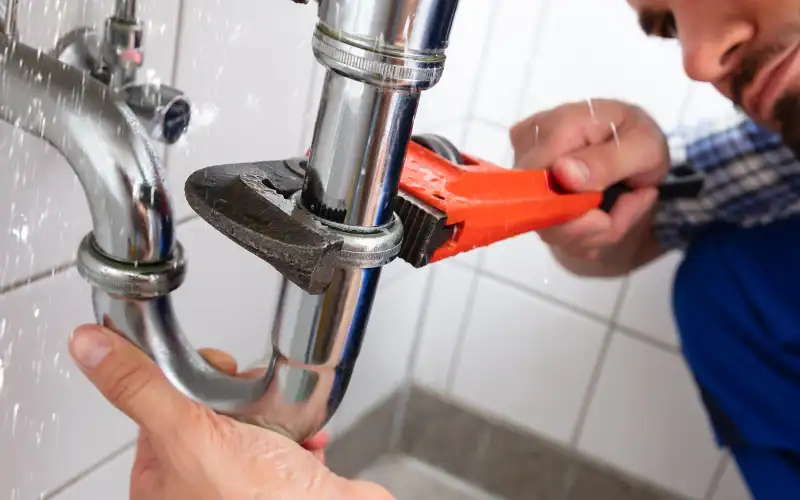
A thorough inspection by plumbing inspectors includes checking plumbing fixtures, water pressure, water supply lines, sewer pipes, and drainage systems. A licensed plumber will follow a plumbing inspection checklist, examining everything from exposed pipes to sump pumps, making sure your home’s plumbing system is functioning properly.
A routine inspection typically involves:
Checking for Leaks
Leaks don’t always make themselves known with dripping sounds or puddles under the sink. A professional inspection includes a close look at pipes, valves, and fixtures to catch cracks, corrosion, or worn-out seals before they lead to bigger problems. Even a small leak can add up to thousands of gallons of wasted water over time, not to mention the risk of water damage behind walls and under flooring.
Camera Inspection
Some plumbing problems hide deep within your pipes, where the naked eye can’t see. That’s where a high-tech camera inspection comes in. By threading a specialized camera through sewer lines and drains, plumbers can spot blockages, cracks, or collapsed sections without tearing up your yard or floors. This method is especially useful for detecting root intrusion, pipe misalignment, and buildup that could cause major backups down the line.
Water Heater Check
Your water heater works hard every day, but it won’t last forever without regular check-ups. During an inspection, a plumber will check for leaks, sediment buildup, and proper heating efficiency. If your water takes forever to heat up, fluctuates in temperature, or smells metallic, it could be time for a repair—or even a replacement. A routine inspection helps keep your water heater running safely and efficiently, so you don’t wake up to a cold shower.
Water Pressure and Valve Testing
Water pressure that’s too low can be frustrating, but pressure that’s too high can damage pipes, appliances, and fixtures. A plumbing inspection includes testing water pressure and checking valves to catch potential problems before they cause pipe bursts or leaks. Pressure regulators and shut-off valves are also inspected to make sure they’re working properly in case of an emergency.
Gas Line Safety Check
Gas leaks are dangerous and often go unnoticed until they become a serious hazard. A plumbing inspection includes checking gas lines for leaks, corrosion, and weak connections that could pose a risk. If you ever notice a rotten egg smell, hissing sounds near a gas line, or an unexplained increase in your gas bill, a professional should be called immediately. Regular inspections help keep your home safe by catching these issues early.
Ventilation Review
Poor ventilation in a plumbing system can lead to moisture buildup, mold growth, and even sewer gas leaks. A proper inspection checks that air vents, drain vents, and exhaust fans are functioning correctly to prevent stagnant air and moisture from causing problems. If you’ve noticed musty odors, condensation on walls, or slow drainage, your home may have ventilation issues that need attention.
Identifying Potential Issues in Your Plumbing System
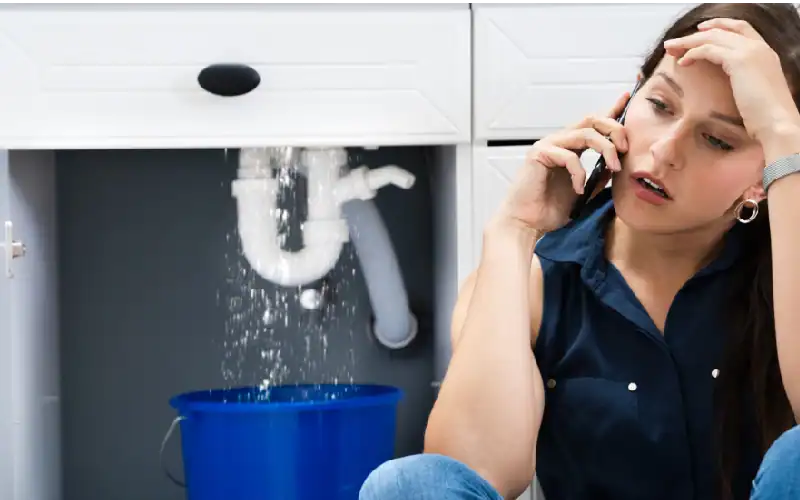
A plumbing inspection can help identify potential issues in your plumbing system, including aged pipes, backflow, and other problems that may not be immediately apparent. A licensed plumber will check for signs of corrosion, leaks, and poor condition that could lead to problems later on. They will also inspect toilets, sewage lines, water supply, pipe condition, and water heaters to ensure they are in good repair. By identifying potential issues early, homeowners can address them before they become major problems, saving time and money in the long run.
Warning Signs a Plumbing Inspection Can Catch

Regular plumbing inspections are like a health check-up for your home. Some of the most common issues a professional plumber can identify include:
Slow drains: Often a sign of buildup or a deeper issue in the sewer line.
Hidden leaks: Water stains, mold, or soft flooring could mean a leak behind the scenes.
Pipe damage: Corrosion, tree root intrusion, or high water pressure can lead to major failures.
Foundation problems: Cracks in floors or damp spots could point to a slab leak.
Unexplained water bill spikes: A sign that water is leaking somewhere it shouldn’t be.
How Routine Plumbing Inspections Help Prevent Slab Leaks
Slab leak detection is tricky, but regular inspections can significantly reduce the risk. Our professional plumbing inspection can reveal:
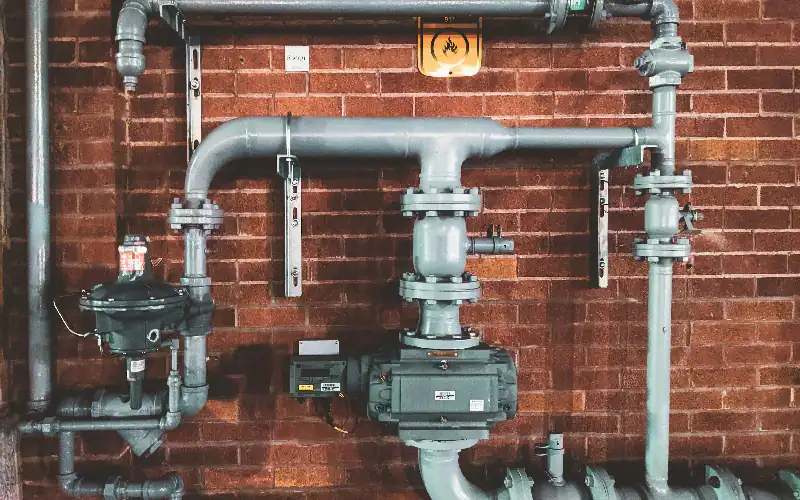
Changes in water pressure: A sudden drop or fluctuation might mean an underground leak.
Cracks in flooring: Unusual cracks or warm spots could indicate a hidden pipe problem.
Gurgling sounds in drains: Strange noises might mean a sewer line issue.
Rising water bills: If your water usage hasn’t changed but your bill has, something’s leaking.
By scheduling your next plumbing inspection with Leak Chasers, you’re taking a proactive step to avoid costly repairs and serious damage to your home’s foundation.
Preventive Maintenance: The Key to a Healthy Plumbing System
Routine plumbing isn’t just about fixing problems—it’s about stopping them before they start. Regular maintenance checks allow a plumbing inspector to catch small leaks before they escalate into major plumbing emergencies

✔ Avoid emergency repairs that hit your wallet hard.
✔ Extend the life of your plumbing system.
✔ Prevent water damage that weakens your home’s structure.
✔ Keep everything from your sump pump to your water heater running smoothly.
Don’t Forget About Commercial Buildings
It’s not just homeowners who should schedule routine plumbing inspections. Office buildings, restaurants, and retail spaces have large, complex plumbing systems that need regular attention. A plumbing issue in a commercial space can lead to costly downtime, health concerns, and major repairs. Scheduling inspections helps businesses avoid major disruptions.
How Often Should You Schedule an Inspection?
The best inspection schedule depends on the age and condition of your plumbing system:
New homes: A check-up within the first year helps catch installation issues.
Older homes (10+ years): Inspections every 1–2 years help spot aging pipes and leaks before they cause damage.
Commercial buildings: Annual inspections keep complex plumbing systems in check.
Get Ready for Your Plumbing Inspection
Want to make your plumbing inspection smooth and efficient? Here’s how:
✔ Schedule in advance: Don’t wait until there’s an issue—book routine check-ups.
✔ Clear the way: Make sure plumbers have easy access to pipes, water heaters, and fixtures.
✔ Mention concerns: If you’ve noticed slow drains, odd noises, or water stains, let your plumber know.
Don’t Wait for an Emergency: Schedule an Inspection Today!

Waiting for a plumbing emergency to happen before calling a plumber can lead to expensive damage. Regular maintenance, a solid inspection checklist, and a professional plumber’s expertise can keep your plumbing system running smoothly. Whether you’re dealing with slow drains, poor ventilation, or potential pipe damage, Leak Chasers has you covered.
Book your professional plumbing inspection today and protect your home from slab leaks before they start!