

Only a few years ago, slab leak detection methods were still quite invasive. It required temporarily taking apart certain areas of your home, and understandably, many homeowners weren’t happy about it. But as plumbing tech developed, several advanced slab leak detection methods became more mainstream and accessible to homeowners. Plumbing professionals like our team at Leak Chasers adopted this technology, and since then, our clients have been reaping the benefits.
Find out exactly how this technology works by reading our comprehensive discussion.
Related Article: Slab Leak Repair and Insurance: Is It Covered?
Explaining Slab Leaks

Most homes in Oklahoma City sit on slab foundations, which are solid pieces of concrete supporting the entire house. Running underneath this concrete foundation are water lines and plumbing systems. A slab leak happens when one of those pipes develops a crack or weak spot, leading to water leaks and allowing that water to escape under your home.
These damaged pipes and the resulting damage can cause foundation issues due to soil erosion. They also cause higher water bills, mold and mildew, damaged floors, and musty odors throughout the house.
Ignoring a slab leak simply isn’t an option. The longer it goes undetected, the worse the damage gets. Ask any experienced professional plumber, and they’ll tell you finding these leaks used to be a nightmare—at least until modern slab leak detection technology came around!
How Slab Leak Detection Has Changed Over the Years

Back in the day, detecting a slab leak (or any other kind of water leak, for that matter) was pure guesswork. If there was a suspected leak, plumbers would have to listen for water sounds, check for warm spots on the floor (if it was a hot water line), or even break into the concrete foundation to look for the leak manually. That meant tearing up parts of the home and causing significant damage to some parts, sometimes without even finding the actual problem on the first try.
Fast forward to today, and we have non-invasive, high-tech methods that make slab leak detection faster and more precise. At Leak Chasers, we use the same advanced technology. Below, we’ll talk about some of the techniques we follow and explain how we use every instrument and equipment for our slab leak detection projects, as well as other expert techniques in the industry that make the process as efficient as can be.
1. Acoustic Listening Devices

Similar to how plumbers did it before, we still find slab leaks by listening for them. This time, though, we don’t do it manually. We use acoustic leak detection, which amplifies the sound of water escaping from pipes.
How It Works
We use specialized microphones or ground mics. These are designed to detect the high-frequency sounds of water leaking underground. Then, we also use a device to filter out background noise like traffic or household sounds so we can hear the leak itself better. Once we locate the leak, we’ll be able to tell what kind of leak it is based on how it sounds. A small pinhole leak has a hissing or whistling sound, while a larger crack might sound like gurgling or rushing water.
This method works through concrete, tile, and even hardwood floors. Homeowners and plumbers alike prefer this process because there’s no need to rip up the flooring to search for a leak. In addition, this approach lets you find leaks that aren’t yet visible or noticeable, meaning homeowners get to address leaks much earlier and avoid more complex and expensive repairs.
2. Thermal Imaging
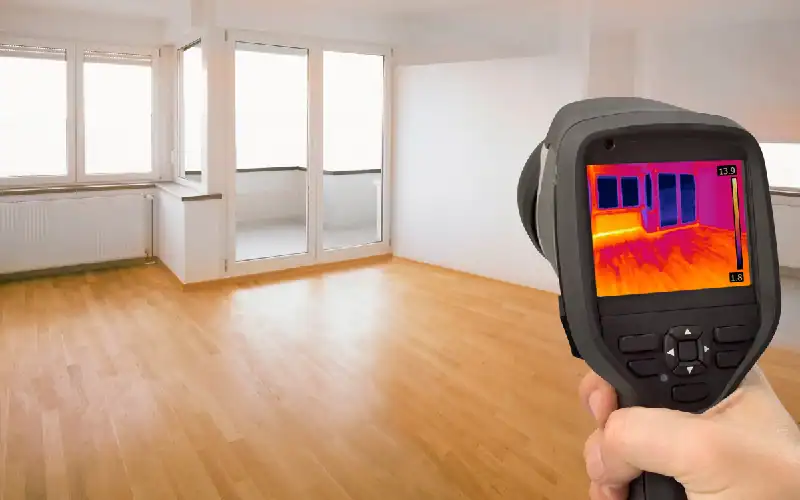
If you’ve ever seen those infrared cameras that show heat signatures, that’s basically what thermal imaging does for plumbing. This is especially useful for detecting hot water leaks which lead to noticeable temperature changes in the foundation.
How It Works
Plumbers use an infrared camera to detect temperature variations in the slab. A leak from a hot water line will heat up the surrounding areas, making it easy to spot. Then, the only thing left to do would be to trace the water’s path. The images from the infrared camera also help determine how far the leak has spread.
3. Pressure Testing
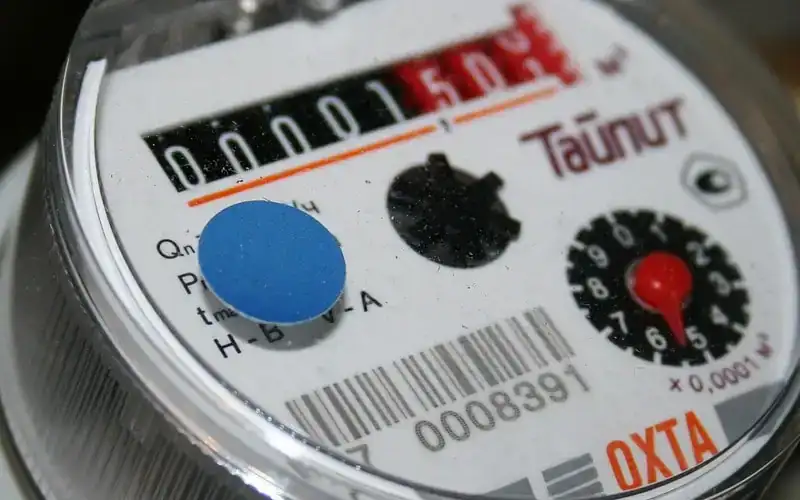
Using acoustic listening devices and thermal imaging is great, but not all leaks make noise or create a temperature difference. If you find yourself dealing with one of those stealthy leaks, pressure testing is the most suitable technique for you.
How It Works
We shut off all water-using appliances to get a controlled reading. Then, we monitor your plumbing’s water pressure. A stable system means no leaks, but a sudden drop means water is escaping somewhere. We then do section-by-section isolation, which basically means we test different sections of the plumbing system to narrow down where the leak is.
This technique works for both hot and cold water lines and helps confirm the presence of a leak before digging into detection further. Oftentimes, pressure testing is used alongside other technologies for maximum accuracy.
4. Electronic Leak Detection

For modern homes with PEX or PVC piping, traditional sound-based methods don’t always work as well. That’s why we often recommend electronic leak detection for such cases.
How It Works
A low-voltage current is sent through the pipes. Any disruption in the flow means there’s a leak somewhere. Then, plumbers use special equipment to detect where the current is escaping. This method is ideal for plastic pipes as they don’t carry sounds as well as metal pipes. Electronic leak detection also does well in detecting leaks in hard-to-reach areas, and is effective even for slow, pinhole leaks that aren’t immediately obvious.
5. Helium Detection

Helium detection isn’t used as often as others, but it’s one of the most advanced ways to find leaks, especially in challenging situations.
How It Works
Helium is pumped into the pipes, and then it seeps out of leaks easily. We use a special tool to track where helium is escaping through the slab. And because helium rises and escapes quickly, it gives us a clear reading of the exact location.
It’s one of the most accurate detection methods available and works well for underground leaks in complex plumbing systems. Like every other method, there’s no need for destructive approaches or unnecessary repairs.
Save Time and Money with Advanced Slab Leak Detection
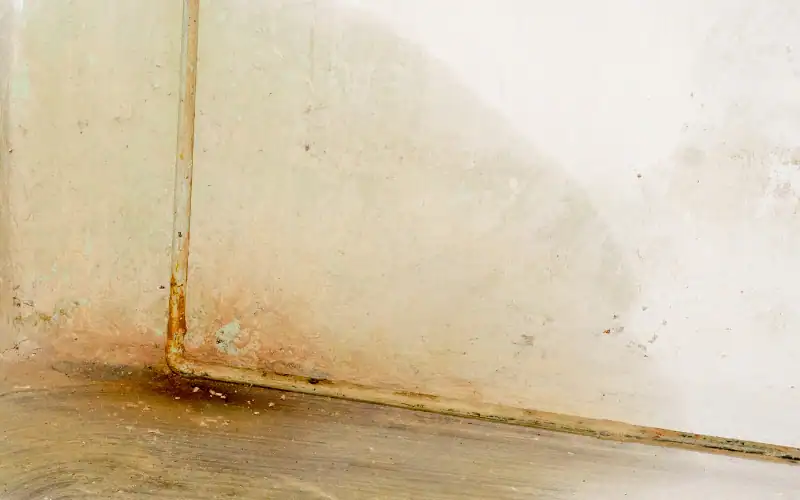
Gone are the days of ripping up floors and manually guessing where the leaks might be. With modern detection technology, slab leaks can be found quickly and without unnecessary destruction to parts of your home.
At Leak Chasers, we use a combination of these advanced tools and methods to detect leaks before they cause more problems. Homeowners who suspect a slab leak due to pipe corrosion or just want an inspection to feel more at ease can reach out to us right away—we have the expertise and tech to get the job done right.
Think You Have a Slab Leak? Let’s Find It, Fast.
We offer a range of expert services, including advanced slab leak detection, slab leak repair, water and drain leaks, trenchless pipe repair, repiping, and more. Contact us today, and we’ll be ready to provide comprehensive solutions to your plumbing issues, no matter what they are!