

A slab leak is one of those unexpected home issues that can quickly become a homeowner’s nightmare. When water starts seeping through your concrete slab foundation, you know trouble is brewing. But as you scramble to figure out repairs, another big question looms—will your homeowners insurance cover slab leak repair? Leak Chasers is here to break it all down and help you understand what to expect from your insurance policy when it comes to slab leak repairs.
What Is a Slab Leak?
A slab leak occurs when water pipes beneath your concrete foundation develop cracks or leaks, leading to water damage, high water bills, and even structural problems. These leaks often happen due to pipe corrosion, shifting soil, tree roots, or poor installation. Left unaddressed, slab leaks can cause significant damage to your home’s slab, leading to costly repairs and serious foundation issues. Understanding the role of homeowner’s insurance in covering these damages is crucial for homeowners.
Related Article: What is Slab Leak Detection? Key Signs and Solutions
Does Homeowners Insurance Cover Slab Leak Repair?

The answer depends on your homeowners insurance policy and the cause of the leak. The homeowner’s insurance company generally provides coverage for sudden and accidental damage but typically does not cover wear and tear or neglect. So, whether slab leaks are covered depends on the initial cause of the damage.
When Slab Leak Repairs Are Typically Covered
Most standard homeowners insurance policies cover sudden and accidental water damage. For instance:
- Burst Pipes: If a pipe breaks unexpectedly due to freezing temperatures or sudden pressure changes, many policies will pay for repairs.
- Accidental Damage: Damage resulting from unforeseen plumbing issues is often covered if it occurs abruptly.
The Insurance Information Institute (III) clarifies that while policies cover accidental water damage, they usually do not pay for damage that develops gradually over time.
When Slab Leak Repairs Are Not Covered
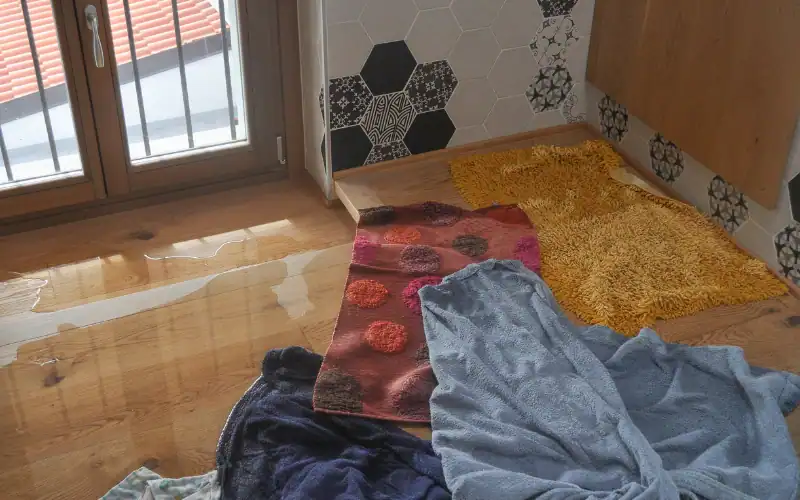
Insurance companies frequently exclude coverage for:
- Gradual Deterioration: Leaks that result from long-term wear and tear or lack of maintenance.
- Neglected Inspections: Damage that could have been prevented by routine plumbing checks.
- Intentional Damage: Any damage caused by deliberate actions will not be covered.
Understanding Homeowners Insurance Coverage

There are a few key areas of your homeowners policy that might help with slab leak repair:
1. Dwelling Coverage
This portion of your insurance covers damage to your home’s structure, including the concrete foundation and walls.
If a covered peril causes the slab leak, dwelling coverage could pay for the necessary home repair costs.
2. Personal Property Coverage
If water from a slab leak damages your furniture, flooring, or other personal belongings, personal property coverage might help recover compensation for these losses.
3. Additional Living Expenses (ALE) Coverage
If a slab leak makes your house unlivable during repairs, ALE coverage could cover hotel stays, meals, and other necessary expenses.
Causes of Slab Leaks Not Covered by Insurance

Slab leaks can arise from various factors, but not all of them are covered by homeowners insurance. Understanding these exclusions can help you better manage your home maintenance and insurance expectations.
- Poor Maintenance: One of the most common reasons slab leaks aren’t covered by homeowners insurance is poor maintenance. If you neglect regular plumbing inspections or fail to replace aging pipes, any resulting leaks are considered preventable and thus not covered by your policy.
- Wear and Tear: Over time, even the best-maintained pipes can deteriorate due to normal wear and tear. Homeowners insurance generally does not cover damage resulting from this natural aging process.
- Intentional Acts: If a slab leak is caused by an intentional act, such as deliberately damaging the plumbing system, your insurance policy will not cover the repairs. Intentional damage is always excluded from coverage.
- Earth Movements: Natural events like earthquakes, mudslides, and sinkholes can cause significant damage to your home’s foundation, including slab leaks. However, these events are typically excluded from standard homeowners insurance policies. You may need additional coverage for such risks.
- Floods: Flooding can lead to slab leaks, but flood damage is usually not covered by standard homeowners insurance policies. To protect your home from flood-related slab leaks, you would need to purchase separate flood insurance.
Understanding these exclusions can help you take proactive steps to maintain your plumbing system and consider additional insurance policies if necessary.
Detecting and Repairing Slab Leaks

Detecting and repairing slab leaks promptly is crucial to prevent extensive damage to your home. Here’s a step-by-step guide to help you through the process:
- Look for Signs of Slab Leaks: Early detection is key. Be vigilant for signs such as unexplained water damage, warped flooring, unusually high water bills, and strange sounds or odors emanating from your foundation.
- Hire a Professional Plumber: If you suspect a slab leak, it’s essential to hire a professional plumber to investigate. They have the expertise and equipment to accurately locate the source of the leak. The cost of slab leak detection can range from $150 to $400, depending on the complexity of the job.
- Repair the Leak: Once the leak is identified, the plumber will proceed with the actual pipe repair. The cost of slab leak repairs can vary widely, from $630 to $4,400, depending on the severity and location of the leak.
- Address Related Damage: Beyond fixing the leak, you may need to address additional damage caused by the water. This can include repairing water-damaged subfloors, replacing insulation, and even mold remediation. Some of these costs may be covered by your homeowners insurance, so it’s important to review your policy and consult your insurance agent.
Working with a reputable plumber and staying in close contact with your insurance agent can ensure that the slab leak is properly detected and repaired and that any related damage is adequately addressed. Prompt action can minimize further damage and help keep your home safe and secure.
Filing a Slab Leak Insurance Claim

If a slab leak occurs and you believe the incident qualifies for insurance coverage, follow these steps:
Document the Damage: Take clear photos and record any signs of water damage.
Contact Your Agent: Report the issue promptly and discuss whether the incident qualifies under your policy.
Schedule a Professional Inspection: Hire a licensed plumber to provide an official report on the leak.
Submit Documentation: Provide your insurer with all the necessary evidence and repair estimates.
Follow Up: Keep in touch with your insurance representative throughout the claim process.
Preventing Future Slab Leaks
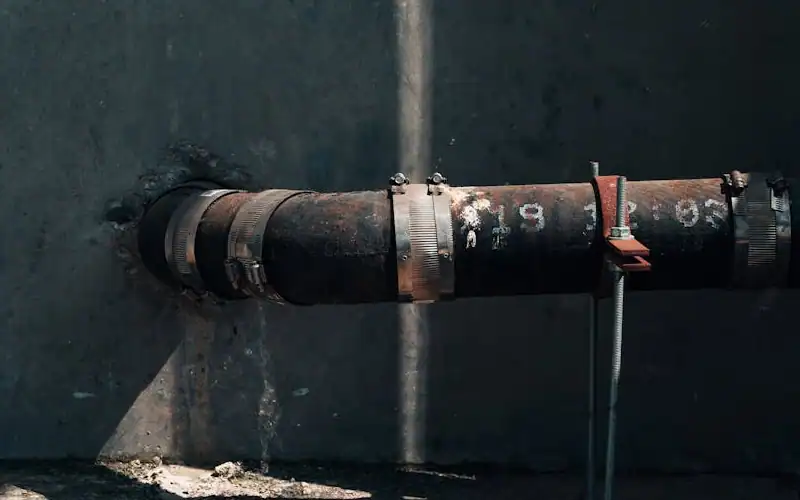
Although repairs can be expensive, preventive care can help reduce the risk of slab leaks:
- Routine Inspections: Regular plumbing inspections help identify potential issues early.
- Monitor Water Pressure: Keep water pressure at recommended levels to avoid stressing pipes.
- Timely Repairs: Address small leaks as soon as they are noticed to prevent further damage.
Making Sense of Slab Leak Coverage
Understanding your homeowners insurance policy can save you from unexpected repair bills when dealing with a slab leak. While some situations are covered, many are not—so regular maintenance and inspections are key to keeping your slab leaks covered. If you suspect a slab leak, don’t wait. Contact Leak Chasers today to schedule a professional inspection and prevent further damage to your home’s foundation. Let’s keep your home’s plumbing system in top shape and avoid the headache of costly repairs!