

If you’ve ever noticed an unexplained spike in your water bill or warm spots on your floor that make no sense, you might be dealing with a slab leak. Sounds scary? Don’t worry, as a homeowner, you can take steps to address it. The team at Leak Chasers is here to break it down for you. Slab leak detection isn’t some mystical process—it’s a practical solution to a problem that can sneak up on your home if you’re not paying attention.
Let’s talk about what slab leak detection actually means, why it’s so important, and how you can catch issues before they turn into serious structural damage.
Related Article: Leak Detection and Home Longevity: Why It’s the Key
What Is Slab Leak Detection?
Slab leak detection is the process of locating leaks that develop in the water lines running beneath the concrete foundation of your home. These slab leaks can occur in both hot water pipes and cold water lines. Because these pipes are buried under concrete, detecting a leak isn’t as simple as spotting a dripping faucet. That’s where professional plumbers with the right equipment step in.
So, what exactly does a slab leak mean for your home? When water escapes from a pipe under your slab, it seeps into the concrete and the surrounding soil. This can cause serious problems, from soil erosion to weakening the very foundation of your house.
How Do Slab Leaks Happen?
There are a few common reasons slab leaks occur:
- Pipe corrosion (especially with older galvanized pipes)
- Improper installation during construction
- Pressure changes in the water supply
- Hard water is causing internal pipe damage
- Natural shifts in the foundation
- External pressures such as seismic activity and soil erosion
As pipes age, they’re more susceptible to damage. Over time, even the smallest leaks can lead to major slab leak issues if not addressed.
Common Signs of a Potential Slab Leak
Since you can’t exactly lift up your concrete slab foundation and take a peek, you need to be aware of the warning signs:
- A sudden increase in your water bill
- The sound of running water when everything is turned off
- Sound of running water when all faucets are tightly shut
- Warm spots or damp areas on floors
- Cracks in walls or flooring
- Mold or mildew growth
- Unpleasant odors or musty smells
- Low water pressure throughout the house
- Warped or damaged hardwood floors
- Water is pooling around the home’s foundation
Any of these signs could indicate a plumbing leak underneath your concrete slab. And while it may be tempting to wait and see, slab leak problems need to be addressed immediately.
How Is Slab Leak Detection Performed?
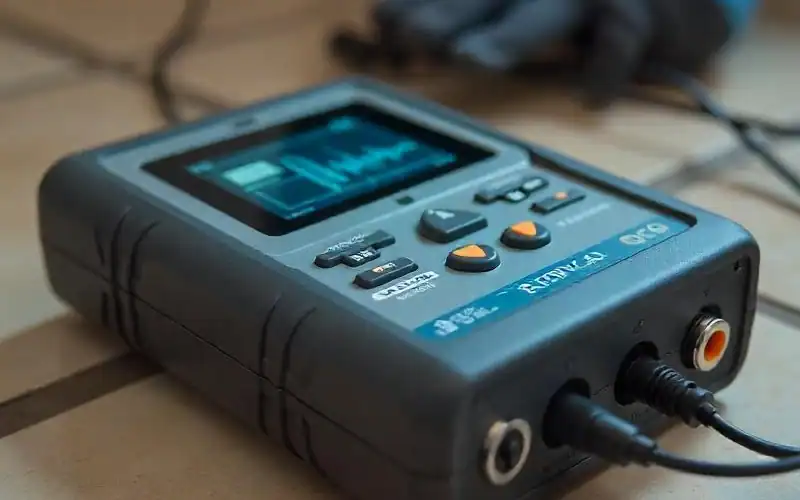
Detecting slab leaks isn’t guesswork—it’s science with a dash of plumbing experience. A professional plumber will use specialized equipment to locate the leak’s exact location. This might include:
- Electronic listening devices to hear leaks through the slab
- Infrared cameras to detect moisture and temperature changes
- Pressure gauge tests to monitor water pressure consistency
- Camera inspection to visually inspect plumbing lines
This process avoids the need for unnecessary digging or tearing up floors, making it a precise and cost-effective solution. In some cases, creating access holes may be necessary for trenchless plumbing repair. And that’s exactly where Leak Chasers shines—we use the right equipment, backed by skilled plumbers who know exactly what to look for.
Why Slab Leak Detection Matters

Let’s put it simply: the longer you wait to detect and fix slab leaks, the more you’ll end up paying. Ignoring slab leaks can lead to mold damage, which poses serious health risks. Water damage, mold and mildew, pest infestation, and even foundation failure can follow if these leaks are ignored. And while some damage may be visible, like water stains on the floor, others stay hidden until significant damage has been done.
Addressing the problem early on saves your floors, walls, and entire house from extensive repairs. It also helps you avoid unpleasant surprises during future home inspections or sales.
Slab Leak Detection and Your Home’s Plumbing System
Let’s say you’re dealing with frequent leaks, poor water pressure, or high water bills. Slab leaks can also affect drain lines, leading to clogs and potential damage. It might be time to ask about repiping your plumbing system. Older homes, in particular, can suffer from outdated pipes that are more likely to leak. In these cases, re piping or re routing plumbing lines is sometimes the best solution.
Leak Chasers specializes in these kinds of jobs, offering accurate slab leak detection followed by clear recommendations—whether it’s a minor repair or a full repipe service.
What Happens After a Leak Is Detected?
Once the source is found, it’s time for repairs. Over time, the way water flows through pipes can cause wear and tear, leading to leaks. Depending on the situation, this could mean:
- Spot repair: Digging a small area to fix a section of pipe
- Re-piping: Installing new pipes and bypassing the damaged ones
- Pipe lining: Inserting a liner to seal cracks and leaks from the inside
- Re-routing: Moving plumbing lines out from under the concrete slab
All of these repair methods come with different costs, timelines, and levels of disruption. But don’t stress—your plumber will walk you through the options so you can decide what’s best for your house.
Fixing Slab Leaks with Re-piping

When it comes to fixing slab leaks, re-piping is often a go-to solution, especially if the leak stems from corroded or damaged pipes. This method involves replacing the old, faulty pipes with new ones made from durable materials like PEX, copper, or PVC. Re-piping can be a cost-effective way to fix slab leaks, particularly if the existing pipes are old and prone to further damage. However, it’s not a simple DIY task—it requires specialized equipment and the expertise of a professional plumber.
Addressing slab leak issues immediately is crucial to prevent further damage to your home’s foundation and structural integrity. A professional plumber can assess the situation and determine if re-piping is the best solution for your specific case. By opting for re-piping, you can ensure a long-term fix that safeguards your home against future leaks.
Alternative Repair Methods
While re-piping is a common solution, there are several alternative repair methods for fixing slab leaks, each suited to different situations. Epoxy pipe lining, for instance, involves coating the inside of the pipe with a layer of epoxy to seal the leak. This method is less invasive and can be a quick fix for minor leaks.
Pipe bursting is another option, where the old pipe is broken apart and replaced with a new one. This method is effective for severely damaged pipes but requires precise execution. Tunneling, on the other hand, involves digging a tunnel under the slab to access the leak directly. This can be less disruptive to your home’s interior but may be more labor-intensive.
Each of these methods has its pros and cons, and not all are suitable for every type of slab leak. A professional plumber can evaluate the severity and location of the leak to recommend the best repair method. Regular maintenance and inspections can also help prevent slab leak issues, reducing the need for costly repairs down the line.
Prevention Measures for Hard Water
Hard water is a common culprit behind slab leaks, as it can cause corrosion and damage to pipes over time. To prevent slab leaks caused by hard water, homeowners can take several proactive measures. Installing a water softener or filter can significantly reduce the mineral content in your water, protecting your pipes from corrosion.
Using corrosion-resistant pipes and fittings is another effective strategy. Regularly inspecting your plumbing system for signs of damage or wear can help catch potential issues early. Additionally, managing water pressure is crucial—installing a pressure-reducing valve or using low-flow fixtures and appliances can help mitigate the risk of water leaks.
By taking these preventive measures, homeowners can protect their home’s foundation and structural integrity, reducing the likelihood of slab leaks and the need for extensive repairs.
Don’t Wait for Slab Leaks to Wreck Your Home
Slab leaks are no joke. They’re not just inconvenient—they can mess with your home’s foundation, wreck your floors, and cause health issues you really don’t want.
The key to stopping the damage is spotting it early with professional slab leak detection. And that’s exactly what we do best at Leak Chasers.
Think you’ve got a leak? Hear something strange? Smell something off? Contact Leak Chasers today and schedule your detection. We’ve got the tools, the experience, and the attitude to get the job done right—and save your house from serious damage.