

Let’s face it: when water starts showing up where it shouldn’t, it’s a problem. But not all leaks are created equal. Some are easy to spot, like a leaky pipe under your kitchen sink. Others? Not so much. That’s where water leaks vs slab leaks come into play. Both can do a lot of damage if ignored, but they’re different beasts.
At Leak Chasers, we’ve seen it all—from dripping faucets to full-on slab leak repair jobs. Knowing the difference between a standard water leak and a slab leak can save you from a lot of stress (and a steep repair bill). Let’s break it down.
Related Article: What to Expect: Slab Leak Repair Cost, Timeline, and Process
So, What Is a Water Leak?

A water leak is pretty straightforward. It happens when a water pipe leaks due to cracks, corrosion, poor fittings, or damage. These leaks usually show up in visible spots like under sinks, around water heaters, behind toilets, or in walls. Common signs include:
- Water stains
- Dripping sounds
- Moldy smells
- Rising water bills
- Low water pressure
Your typical home plumbing systems are a maze of copper pipes, plastic pipes, and galvanized steel, all designed to carry water where it needs to go. When one of those pipes springs a leak, it’s annoying—but at least you can usually see it or hear it.
Now, What Is a Slab Leak?

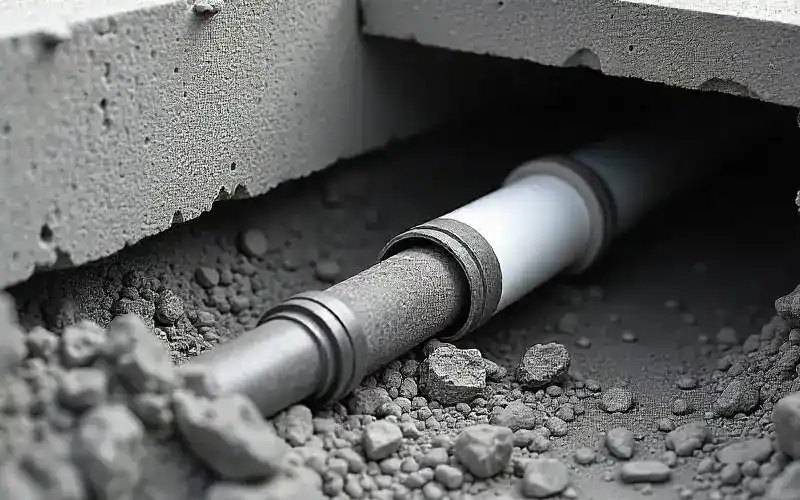
Here’s where things get a little trickier. A slab leak happens when pipes that run under your home’s concrete slab foundation start leaking. Slab foundations are pretty common, especially in warmer climates. But when slab leaks occur, they can cause serious trouble.
These leaks are harder to spot because they’re hidden beneath the concrete slab. That means water can run for a while before anyone notices. Yikes.
Some slab leak signs to watch for:
- Sudden spike in your water bill
- Wet spots on your floor
- Warm areas on the floor (from hot water line leaks)
- Cracks in walls or floors
- Sound of running water when all taps are off
- Uneven growth in your lawn or foundation plants
If any of that sounds familiar, you might have a potential slab leak on your hands.
Why Do Slab Leaks Happen?
Good question. There are a few reasons:
- Corrosion: Copper pipes, especially older ones, can corrode over time due to chemical reactions with the soil.
- Improper Installation: If your plumbing lines were installed with sharp bends or without proper cushioning, they may rub against concrete, leading to wear.
- Shifting Soil: Soil erosion, soil expansion, or even underground streams can cause your concrete foundation to move, placing pressure on the plumbing.
- Water Pressure Issues: High water pressure can strain pipes, causing them to split or burst.
- Poor Plumbing Materials: Plastic pipes or old galvanized steel are more prone to splitting or breaking under a concrete slab.
Slab leaks can even be connected to changes in the water table beneath your home. It’s a real underground mystery.
So, How Is This Different From a Regular Water Leak?
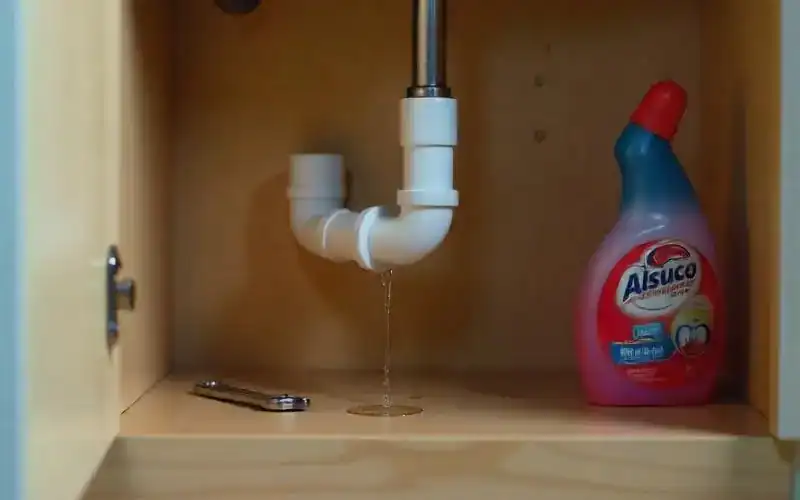
A regular water leak is often exposed and accessible. You see it, you fix it. Easy.
A slab leak, on the other hand, is under your concrete slab and often affects the structural integrity of your home. It can mess with your flooring, rot hardwood floors, or cause water to seep up from underneath. It also has a higher risk of causing extensive damage before you even notice it.
In short: slab leaks = sneaky and expensive. Water leaks = annoying but usually manageable.
How Do You Spot a Slab Leak?

You can’t just go knocking holes in your concrete foundation to take a peek. That’s why professional slab leak detection matters. At Leak Chasers, we use tools like camera inspection, thermal imaging, and pressure tests to find the leak’s location without destroying your floors.
When it comes to slab leak detection, knowing the exact location of the leak is key to limiting damage. Once we find the trouble spot, we can recommend the best fix.
Slab Leak Repair Options
There’s more than one way to fix a slab leak. It all depends on the leak’s location, the plumbing materials used, and the condition of your system.
Here are the most common slab leak repair options:
Spot Repair
It involves breaking through the slab at the damaged area and fixing or replacing the pipe. Works best for single, accessible leaks.
Re-piping or Re-routing
It involves installing new plumbing lines around the slab instead of under it. A great solution if there are multiple or future leaks likely.
Pipe Lining
It involves inserting a new pipe inside the damaged one. Less invasive but not always suitable, especially with cast iron or heavily corroded pipes.
Each repair process has its pros and cons. The right fix depends on the age of your pipes, the material, and how much of your home is affected.
Repair Costs and What to Expect
Let’s talk money. Repair costs for slab leaks can vary depending on how complicated the job is. Spot repairs may only take a few hours, while full re-piping could take a couple of days.
The good news? Fixing a slab leak early usually costs a lot less than waiting until further damage sets in.
And remember, if you’re seeing a weird spike in your water bill or notice standing water near the base of your walls, it’s worth getting it checked. Water stains, wet spots, and the sound of running water with everything off are solid red flags.
The Role of Plumbing Services
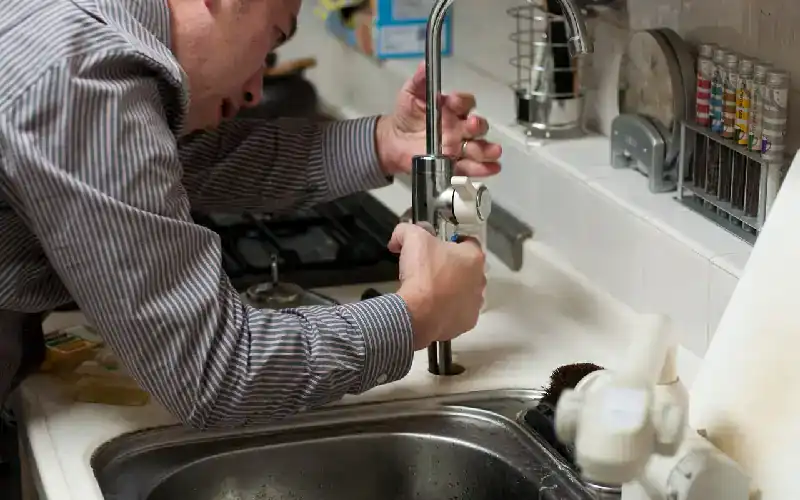
This isn’t a job for just anyone with a wrench. Slab leak repair requires experienced professional plumbers with the right tools and knowledge. At Leak Chasers, we’re all about finding smart solutions with as little mess as possible.
Our goal? Fix the leak, save your floors, and keep your plumbing system in good shape long-term.
Slab or Not, a Leak’s a Leak

So there you have it. When it comes to water leaks vs. slab leaks, the main difference is visibility and damage potential. A regular leak is like a squeaky wheel. A slab leak is more like termites—out of sight, but a big deal if ignored.
If you suspect a slab leak or just want a professional to take a look, contact Leak Chasers. We’re pros at slab leak detection and all kinds of plumbing services. Let’s catch the problem before it turns into something worse.
Leak found. Leak fixed. Leak Chasers.