

Something we’ve noticed over the years is that the slab leak detection myths floating around online and even in casual chats with neighbors often lead people to ignore the warning signs or wait too long to call in a pro. So, Leak Chasers is here to set the record straight by debunking the 13 most common ones we always hear.
Myth #1: Slab leaks only happen in older homes
Some people think slab leaks are just part of owning an older house with old pipes, and if your home was built after 2000, you’re in the clear. Not quite.
It’s true that older pipes (especially copper or galvanized steel) can wear out and corrode over time. But brand-new homes are still at risk, especially in areas like Oklahoma, where shifting soil can cause the ground to move and put stress on plumbing systems. Bad installation, poor construction, poor backfill, or even a sharp rock pressing against a new pipe can eventually cause a leak.
Related Article: Water Leaks vs. Slab Leaks: What’s the Difference?
Myth #2: If there’s a slab leak, you’ll definitely see water pooling
That would be nice, wouldn’t it? If a leak meant a puddle on your floor, at least it would be obvious. Unfortunately, slab leaks are trickier than that.
Most of the time, the water from a slab leak doesn’t bubble up to the surface. It either drains into the soil underneath your foundation or evaporates before you even know it’s there. Instead of puddles, you’re more likely to notice stuff like:
- Warped flooring and water stains
- Damp carpet edges
- Warm or cold, damp spots on the floor
- Mold growth and moldy smells in the house
- An unexplained drop in water pressure
Myth #3: Higher water bills automatically mean you have a slab leak
This one’s a bit of a half-truth. A sudden increase in your water bill despite maintaining the same water usage can definitely be a sign of a hidden leak, but not all leaks are automatically slab leaks. There could be other culprits, like a leaky toilet tank or a dripping outdoor spigot.
Myth #4: You can detect a slab leak with DIY methods
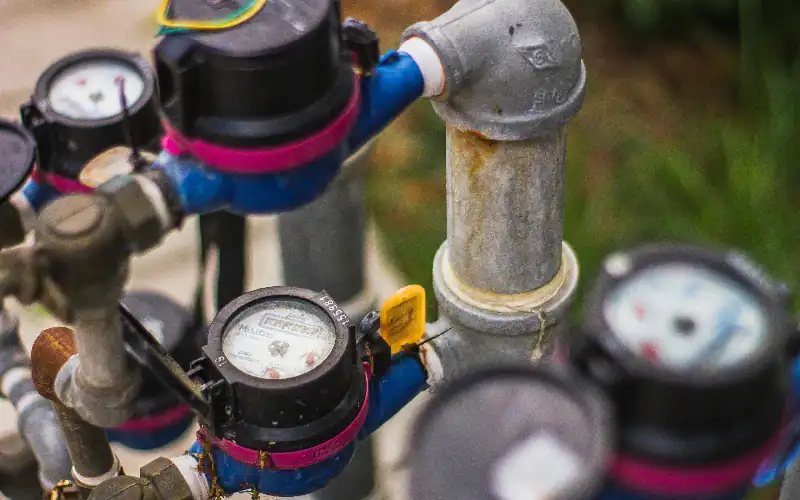
Many homeowners like to attempt slab leak detection themselves and without the professional services of a licensed plumber. They do things like putting their ear to the floor, turning off all the water, and checking the meter, or feeling for warm spots on the tile. These methods can definitely give you a clue, but they’re not exactly foolproof.
These days, slab detection involves advanced tools, like thermal imaging, pressure testing, and acoustic listening devices. These can find the location of leaks and plumbing issues without causing unnecessary damage by tearing up your entire floor. At the end of the day, slab leak detection and thorough inspections are still best done by professionals.
Myth #5: If you find and fix one leak, the problem’s solved
This is not necessarily true. Sometimes, the pipe has one small break that needs fixing, and that’s it. Other times, it’s a symptom of a bigger problem, like an entire length of aging pipe that’s deteriorating. Just patching the visible leak and calling it a day might mean you’re back in the same situation six months later.
A good slab leak detection team, like our crew at Leak Chasers, won’t just fix the leak—they’ll figure out why it happened and whether the rest of the line is at risk. This way, you can make sure no issue is left untreated while avoiding potentially costly repairs.
Myth #6: Slab leak repair is always expensive
Slab leak repair costs really depend on timing. If you catch a leak early, right before it causes major damage to your foundation or flooring, then repairs can be quick and relatively cheaper. But if you wait too long, you might be looking at expensive repairs. Water damage cleanup, mold remediation, jackhammering through the slab—none of that comes cheap. That’s why timely repairs are incredibly important.
Myth #7: Homeowners’ insurance will always cover everything
In many policies, the damage caused by the leak (like ruined flooring or baseboards) might be covered. But the actual plumbing repair or the cost of fixing the pipe itself usually isn’t. Some policies exclude slab leaks altogether. Others only help if the leak happened suddenly and accidentally, and not due to neglect or long-term wear and tear.
It’s best to check your coverage, read the fine print, and talk to your insurance rep as early as you can, because handling insurance paperwork can be time-consuming.
Myth #8: Slab leaks aren’t very common

Unfortunately, this is another water leak myth. In Oklahoma, where we deal with expansive clay soil that swells and shrinks with moisture changes, slab leaks are more common than people might think. The soil movement puts a significant amount of stress on foundations and plumbing lines, and as time passes, that pressure can cause lines to crack or shift.
Myth #9: Slab leaks only happen in hot water lines
Warm floors are usually a dead giveaway that there’s a slab leak. However, that doesn’t mean only hot water lines are affected.
In fact, cold water lines run under slabs, too, and they’re just as likely to crack or leak, especially if the problem is due to ground movement or corrosion. The only difference is that cold leaks might be harder to notice as there won’t be any warm spots or hissing from pressure buildup.
Myth #10: Slab leaks are always caused by corrosion
Corrosion is definitely one of the top causes of slab leaks, especially in homes with older copper or galvanized pipes. But it’s not the only thing that can cause them.
Other causes include:
- Poor installation (pipes laid without enough support or protection)
- Rubbing or vibration (pipes moving against rebar or concrete)
- Soil shifting
- High water pressure (which wears out joints and elbows)
Myth #11: Slab leaks can wait
We’ve seen so many homes with major foundation and structural damage because the homeowners thought a small drip wasn’t worth worrying about.
Truth is, even minor leaks can be a big deal. Aside from water waste, small leaks can lead to major potential issues that will be harder to fix the longer they’re unaddressed. This is because water spreads, seeps into the soil, weakens your foundation, and invites mold, mildew, and termites. Even a tiny slab leak can mess up your flooring or trigger significant damage.
Myth #12: Any plumber can detect slab leaks
Not every plumber is trained or equipped to handle underground leak detection. Some might rely on trial-and-error methods that involve digging or tearing out flooring unnecessarily. Others might miss the leak altogether. What you want is someone who specializes in slab leak detection and repiping for the best results.
Myth #13: Finding the leak means ripping up the whole floor
This used to be the case. Thankfully, we don’t live in 1985 anymore.
Modern leak detection methods are non-invasive. With the right tech (e.g., thermal cameras, electronic leak locations, and pressure sensors), we can find the leak with amazing precision and prevent unnecessary and major damage to your home, no matter how temporary. Instead, most of the time, we only need to open up a small area for the actual repair.
Don’t Let These Slab Leak Myths Cost You Thousands
Debunking common myths is one thing, but taking preventative measures is another important step. For professional inspections, reliable slab leak repair, or expert slab leak detection, our crew at Leak Chasers is always ready to step in and help!
Give us a call or shoot us a message, and we’ll make sure everything is taken care of.