

Dealing with water drain leaks and wondering if you can go the DIY route or hire someone for professional water drain leak repairs? In this post, we’ll discuss when a DIY fix might work and when it’s smarter (and safer) to bring in a professional like Leak Chasers.
What Causes Drain Leaks?
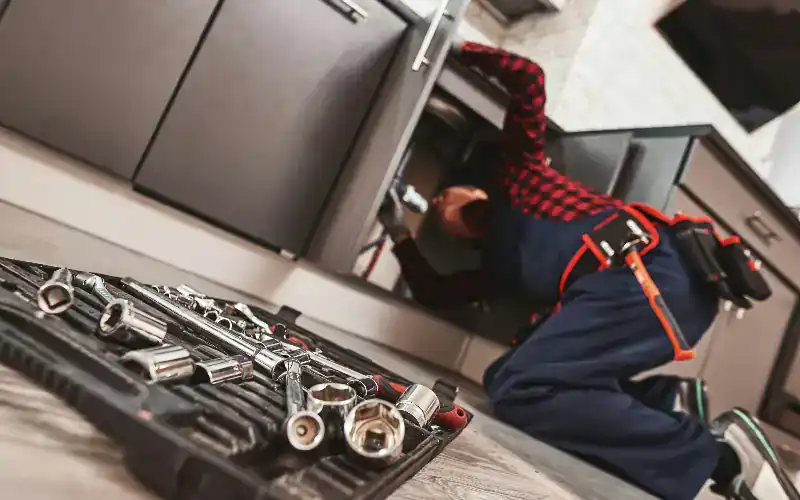
Unlike pressurized water lines that spray or gush when they fail, drainpipes often leak slowly. You might not notice it until there’s water damage, weird smells, or staining under sinks or on your walls. So, let’s look at the most common reasons your drain might be dripping, gurgling, or causing damage like mold growth, wood rot, and moisture issues in your house.
Related Article: Water Drain Leak Identification and Solutions
Loose Connections and Worn-Out Parts
Most household drains and plumbing fixtures are held together by slip joints, compression fittings, and rubber gaskets. These are designed to be easy to assemble and disassemble, which also means they can loosen and lose their watertight seal as time passes. If you have a leak under your kitchen or bathroom sink, chances are high that one of these connections just needs to be snugged up or replaced.
That said, don’t just crank down on the fittings and call it good. Over-tightening can warp plastic pipes and make the leak worse later. Also, if you’re constantly tightening the same joint, something deeper is going on, like a misaligned pipe or a bad washer.
Cracked or Burst Pipes and Fittings
Plastic (PVS or ABS) drainpipes can crack, especially if they’re bumped or stressed during renovations, or if your home’s foundation has shifted even slightly. Older homes with metal drainpipes, like galvanized steel or cast iron, can develop rust and corrosion that weaken the pipe walls. These often start as tiny cracks or holes but get worse the more water flows through them.
You might notice a small drip or a musty smell behind the walls or under the floor. Catching it early is important because once mold or rot sets in, you’re looking at a much bigger job.
Clogs and Pressure Buildup
Drainpipes aren’t under pressure like water supply lines, but a stubborn clog can create enough backflow pressure to force water out through weak spots. If a pipe joint isn’t sealed well, or there’s a minor crack already forming, that added stress can push it over the edge.
This is especially true with long horizontal runs of pipe or with older plumbing systems that weren’t vented properly. You might hear gurgling in the drain, smell sewer gas, or find wet spots under your cabinets or on the ground.
Damage From Outside Forces
Let’s not forget that Oklahoma soil moves and that this shifting ground can stress underground drain lines. Tree roots can also worm their way into pipes, especially if you have older clay or cast-iron sewer lines. One little crack is all it takes for roots to find their way in, and from there, it just gets worse.
Outdoors, this can lead to sinkholes or soggy patches in your yard. Inside, you might deal with slow drains, backups, or funky smells.
Drain Leaks vs. Pipe Leaks: What’s the Difference?
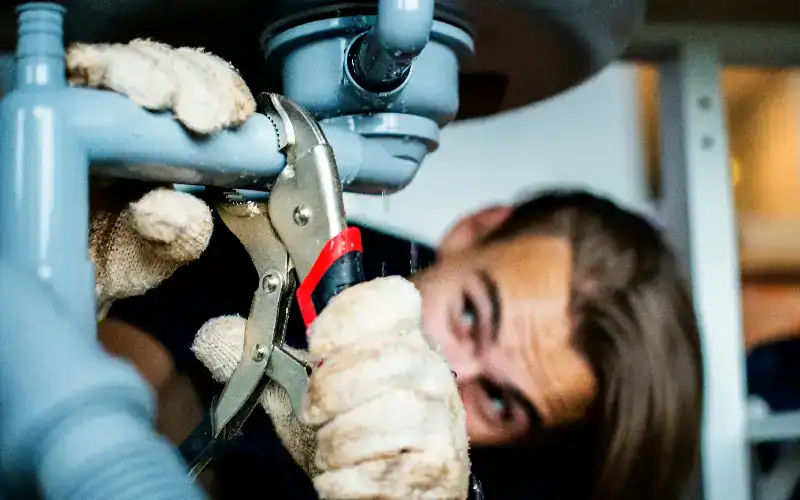
A leak’s a leak, right? Well, not really. There’s a big difference between a leaking drain and a leaking water supply pipe, and knowing which one you’re dealing with is the first step of the repair process.
Drain Leaks Are Low Pressure
Drainpipes only carry water away from your sinks, tubs, showers, and toilets. They rely on gravity rather than pressure to move wastewater down and out. Because of that, drain leaks are often slow. You might only notice them when you open the cabinet under your sink and see water pooled around the pipes, or when a ceiling below your bathroom starts to discolor.
They’re usually caused by poor seals, clogs, aging materials, or mechanical damage. Fixing them can be as simple as replacing a gasket or as complex as cutting into your drywall to access a cracked pipe.
The thing with drain leaks is that they’re slow, but persistent. They cause mold, mildew, wood rot, and eventually structural damage if ignored. And because they aren’t always obvious, they often go unnoticed longer than they should.
Pipe Leaks (Supply Lines) Are Pressurized
Supply lines are pressurized, so that means if there’s a leak, it sprays. A broken supply line can flood a room in minutes, and if it’s an underground pipe leak, it can go unnoticed for a while, slowly soaking the soil and potentially damaging your foundation. These leaks are more urgent, much more damaging, and need to be addressed immediately.
They can come from cracked copper pipes, burst PEX lines, loose fittings, or failed valves. And while a supply line leak is usually easier to spot, it’s also much more dangerous to try and fix on your own, especially if you’re working behind walls, under slabs, or in tight spots.
Should You Try to Fix It Yourself?
Some leaks are homeowner-friendly and can easily be fixed with some plumbing putty or tape. Others… not so much. To know where you stand, consider these:
DIY Might Be Okay If…
- You’re dealing with a minor leak that you can clearly see and access.
- The small leak is coming from a loose fitting or rubber washer you can easily replace.
- You’re dealing with a leaking pipe made of plastic that doesn’t require special tools.
- You’ve shut the water supply off and feel confident making the repair.
In these situations, replacing a gasket or tightening a fitting can be a quick, cheap fix. Just take your time, follow a guide or tutorial (from a reliable source), and make sure to test your work thoroughly afterward.
Call a Professional Plumber If…
- The leak is behind a wall or under the floor.
- You’ve tried a DIY fix, but the leak came back.
- There are mold, stains, or soft spots near the leak.
- You’re not certain where the water’s even coming from and need skilled technicians to do an inspection to locate it.
- You prefer a cost-effective and permanent repair.
- The repair requires specialized equipment.
- There are many leaks at once.
- You need to completely replace the pipes.
- You want someone with expertise who’s also familiar with your city’s plumbing codes.
Drain leaks can fool you. What looks like a simple drip might be part of a bigger issue deeper in your system. At Leak Chasers, we’ve had plenty of calls where the homeowner tried a small repair. It held for a while, but then things got worse. Don’t wait for the damage to spread. It’s easier and cheaper to fix early.
Signs That You Have a Drain Leak
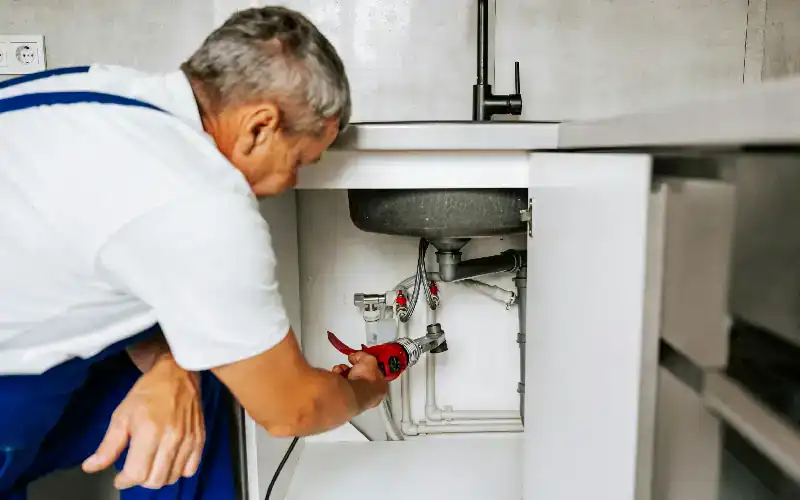
Below, we’ve put together some of the most common indicators that you’re dealing with a drain leak and that it’s time for a repair as soon as possible.
You Hear Leaking Water
Sounds of running water when no taps or appliances are on are signs. If you can hear a faint trickle, drip, or whooshing sound (especially behind walls, under floors, or near drains), it could be a sign of a hidden drain leak that’s quietly causing damage.
Moldy Smells or Mildew Patches
Drain leaks often lead to mold growth, especially in dark, poorly ventilated spaces like behind walls or under cabinets. If your bathroom or kitchen smells musty and you can’t pinpoint why, it’s worth looking into.
Warped Flooring or Stained Ceilings
Water that seeps into floors or walls will eventually cause damage. Laminate floors might buckle. Hardwood might discolor or lift. Ceilings might develop yellow or brown stains, especially in the corners or near vents.
Slow or Gurgling Drains
If water is draining slowly or if you hear gurgling, bubbling, or sloshing sounds, there might be a partial blockage or venting issue in your drain line. That kind of pressure buildup can sometimes push water out through weak joints or cracks.
Other Types of Water Leaks to Look Out For
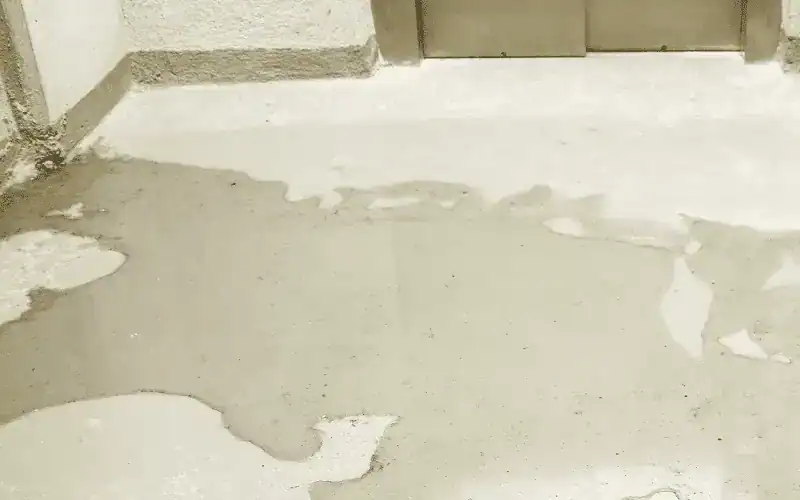
Homes in Oklahoma City face a variety of plumbing problems, especially in older neighborhoods with shifting soil. Some of them are:
Water Main Line or Supply Line Slab Leak
A slab leak is a water line leaking under your concrete foundation. The signs are subtle at first: higher water bills, warm spots on the floor, or mysterious puddles. If this isn’t addressed quickly, they can crack the slab and damage your home’s structure.
Leak Chasers specializes in locating and repairing slab leaks with minimal damage. We’ve got the tech, the tools, and the training.
Pipe Repair in Walls or Ceilings
Pinhole leaks in copper pipes or poorly crimped PEX fittings can slowly soak your drywall or insulation. If you’re noticing peeling paint, bubbling drywall, or warped baseboards, don’t wait. Water might already be spreading in places you can’t see.
Appliance Line Leaks
Don’t forget about your dishwasher, washing machine, shower, hot water heater, and fridge water lines. These small hoses can spring leaks or pop loose over time, flooding your floor with very little warning.
Should You DIY or Call Leak Chasers to Fix Drain and Plumbing Leaks?
If you’re even a little concerned about a leak due to a random drip, a damp spot you can’t explain, or your water bill creeping up for no reason, it’s probably worth having someone take a look at your pipes or plumbing system. Sure, some fixes are simple enough to DIY, but when it comes to your plumbing system, a quick patch might not cut it.
Hidden leaks can lead to bigger problems fast, and skipping proper replacement or ignoring early signs could cause more damage (and stress) than it’s worth. Plus, if you’re dealing with your insurance company, they’re going to want proof that you brought in professional help.
Contact us today to get started!