

The sooner you catch drain leaks, the less damage they cause. That’s why at Leak Chasers, we always tell our clients to familiarize themselves with water drain leak identification techniques and to actively be on the lookout for signs of potential issues. In this blog, we’ll discuss four important things: locating the leak, pinpointing the problem, fixing the drain leak, and preventing it from happening again.
Let’s start!
How to Spot a Water Drain Leak
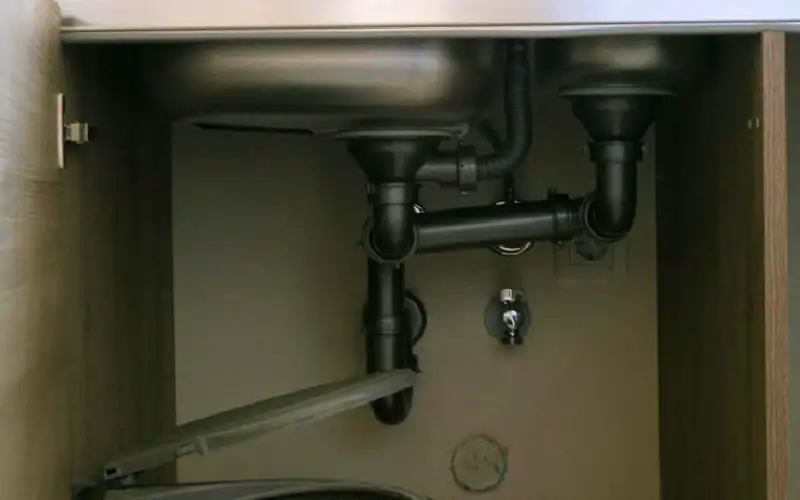
The tricky thing about water drain leaks is that they’re not always obvious. Some leaks are hidden in places you can’t see, like behind walls or under floors. But don’t worry—your home will give you plenty of signs if you know what to watch for, so check out our list below.
Related Article: The Connection Between Water Drain Leaks and Foundation Issues
1. Foul Smells That Won’t Go Away
Ever walk into your bathroom or kitchen and notice a musty or sewer-like smell? More often than not, it’s a sign of a slow leak. When there’s a drain pipe water leak, it can create a perfect environment for mold and bacteria to grow, and when this happens, you’ll be able to tell due to the smell. Pay attention to these smells, especially if they’re strongest near sinks, tubs, or under cabinets.
2. Mysterious Stains on Walls and Ceilings
Water leaks leave marks. If you notice yellowish stains, peeling paint, or bubbling wallpaper, there’s a good chance water is seeping through from a hidden drain leak. In bathrooms, look for water stains on ceilings in the room below. Even if it looks minor, it’s worth investigating because it might get worse.
3. Mold and Mildew Appearing in Odd Places
We all know mold likes damp spots, but if it’s growing in random areas like on your walls or baseboards far from a sink or shower, it could be a sign of a hidden leak. Mold happens because of moisture, so when you find the source, you’ll also likely find your leak.
4. Spiking Water Bills
If your water bill suddenly shoots up and you’re sure you didn’t leave the garden hose running, you might have a leak. While drain leaks don’t always waste as much water as water supply line leaks, they can still make an impact, especially if the leak’s been there for a while.
Alternatively, if you want to check your water consumption without having to wait for your water bill, you can check your water meter. If the reading says you have significantly higher water usage than usual, it’s possible that this is caused by a hidden leak.
5. Random Sounds of Water
Hearing mysterious sounds of water running or dripping when nothing’s turned on is definitely something you should investigate further, especially if the dripping sounds continue even when you turn off the valves in your irrigation system to temporarily turn off all the water in your home. That faint water sound could be water escaping from a drainpipe somewhere in your home, so it’s not something to be ignored.
How to Pinpoint the Problem
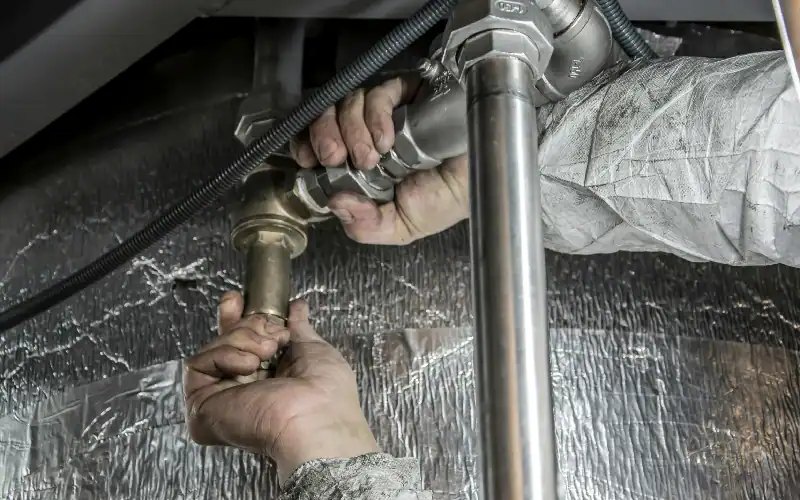
Okay, so now you know the signs. But how do you figure out where the leak is coming from? Some tips to remember include:
1. Check Exposed Pipes
Your first step is to check any exposed water line pipes and accessible connections, like the ones under your sink, in the basement, or in a crawl space. Run your hand along the pipes to feel for moisture, and look for obvious signs like rust, cracks, or dripping water. Even if you don’t see active leaks, dampness is a big clue.
2. Check Around Fixtures
Leaks and consequent water puddles usually happen near sinks, tubs, toilets, and dishwashers—basically anywhere water drains. Look underneath and around those fixtures for damp spots, water stains, or warped wood. Pay special attention to the base of your toilet or the area under your kitchen sink. Sometimes you’ll even spot mold starting to grow around the edges.
3. Do the Tissue Paper Test
Here’s a little trick—grab a piece of tissue paper and run it along suspected areas like pipe joints, connections, or seals. Tissue is sensitive to moisture, so if there’s even the smallest leak, it’ll show up immediately.
4. Call the Professionals
If you’ve done all the DIY techniques above and still can’t pinpoint the problem, it’s time to call in a professional plumber or leak detection specialist. At Leak Chasers, we use advanced tools to identify and repair water drain leaks in your home. So don’t hesitate to give us a call when you need expert assistance!
How to Fix a Water Drain Leak
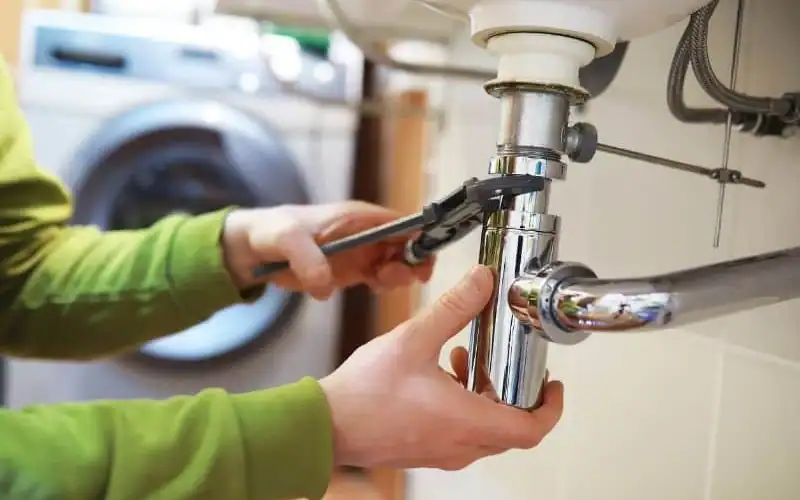
Now, it’s time to fix the leak. Depending on what’s causing it, the solution can range from a quick DIY tweak to a full-on repair job. To start, here are some fixes you can try out:
1. Tighten Loose Connections
One of the most common causes of drain leaks is loose connections at plumbing pipe joints. If you notice water dripping from a joint, grab a wrench and gently tighten it. But don’t overdo it—overtightening can crack the fitting and make things worse.
2. Replace Worn-Out Seals or Gaskets
As time passes, the rubber seals around your drain or P-trap can wear out and start leaking. This is especially common under sinks and water heater connections. Luckily, replacing these seals is pretty straightforward. Just remove the old seal, clean the area, and pop in a new one. Make sure everything fits snugly before running the water again.
3. Patch Small Cracks or Holes
If you find a small crack or hole in your pipe, epoxy putty can work as a temporary fix. Clean the pipe, dry it off, and apply the putty. Once it hardens, it’ll stop the leak—at least for a while. Just remember, this is a band-aid solution. You’ll eventually need to replace the damaged sections at some point, and we recommend that you get professionals to do it for you.
4. Replace Damaged Sections
For pipes that are corroded, cracked, or beyond saving, replacement is the only solution. Generally, this means cutting out the damaged portion and installing a new section using couplings or compression fittings. If that sounds intimidating or too complicated, don’t worry—Leak Chasers offers expert repiping services so your plumbing system is not just repaired, but also fortified.
How to Prevent Future Drain Leaks
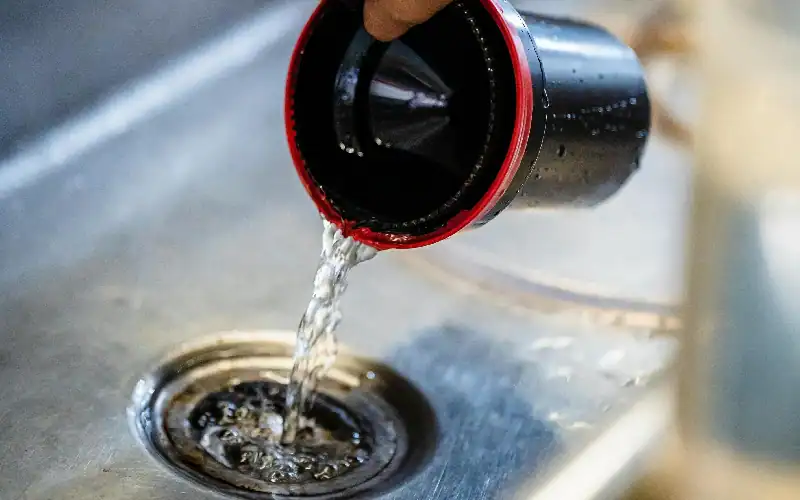
In plumbing systems, a little maintenance goes a long way. It’s something that can help you avoid potential problems including water leaks and water damage. Some of our practical tips are:
1. Keep Your Drains Clear
Clogs are one of the main culprits behind leaks. When your pipes are clogged, water builds up and puts extra pressure on the joints and seals. When this water seeps through small gaps or weak spots, it can lead to all kinds of problems.
Pro tip: Avoid pouring grease, coffee grounds, or fibrous foods (like celery) down the drain. Instead, use a drain strainer to make sure nothing clogs your pipes. Additionally, we recommend pouring hot water down your drains regularly to clear the pathway.
2. Watch What You Flush
Your water use habits matter, and this includes what you flush. Remember—toilets are only meant for human waste and toilet paper. Flushing things like wipes, feminine products, or paper towels can lead to blockages and leaks. It’s not worth the risk, so toss those items in the trash instead.
3. Check Your Water Pressure
Excessively high water pressure can put a strain on your pipes and joints, eventually causing leaks. Purchase a pressure gauge to monitor your home’s water pressure. If it’s too high, a plumber can install a pressure-reducing valve to keep things in check.
4. Prioritize Regular Inspections
Taking the time to inspect your plumbing system every few months can save you a lot of trouble. Look under sinks, behind appliances, and around fixtures for any signs of wear or moisture. Catching issues early is always easier (and cheaper) than dealing with a full-blown plumbing leak.
Call Leak Chasers for Drain Leak Solutions in Oklahoma City
With over 20 years of experience in the plumbing industry, our team at Leak Chasers knows how to track down and fix drain leaks before they can cause major damage. We handle everything from simple faucet leaks to extensive slab leak repair, and we get the job done quickly and efficiently.
Serving Oklahoma City and surrounding areas, we’re the best leak repair and leak detection company in town! Contact us today for a free estimate, and let’s get your plumbing back on track.