

So, what is a leak detection pump? It is a precision tool designed to find leaks in a sealed system before they cause bigger problems. At Leak Chasers, our leak detection pump LDP is used to pressurize your plumbing system, monitor for pressure drops, and identify exactly where water may be escaping. The same concept also appears in a vehicle EVAP system, where it detects fuel vapor leaks and prevents harmful fuel vapors from escaping into the atmosphere, but our focus is your home. The principle is the same: create pressure, monitor the result, and repair issues before they turn into costly repairs.
A detection pump plays a critical role in maintaining system integrity. In plumbing, that means keeping water where it belongs. In vehicles, it means protecting the fuel system from vapor leaks that can affect fuel efficiency and contribute to air pollution. No matter the application, detecting leaks early is the smartest way to stay ahead of damage.
How a Detection Pump Works
The process is straightforward and highly effective. Whether you are dealing with a home plumbing system or an EVAP system in a car engine, the leak detection pump works by introducing pressure and tracking how it changes over time.
Pressurizing the Plumbing System
The pump injects controlled air or water into the pipes, a sealed tank, or another section under test. In vehicles, the LDP uses air to pressurize the EVAP system and check for vapor leaks.
Monitoring for Pressure Drops
A pressure sensor tracks pressure levels in real time. If the pressure remains stable, the system is sound. If you see a drop, something is escaping, and that loss becomes your first clue.
Pinpointing the Leak Location
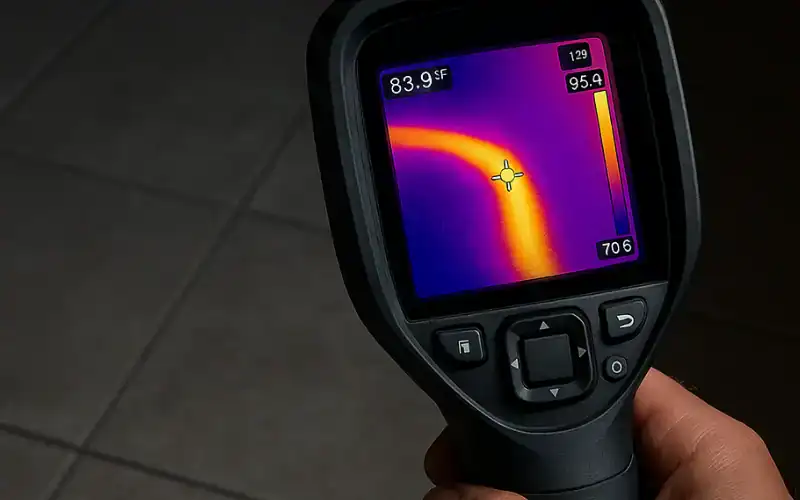
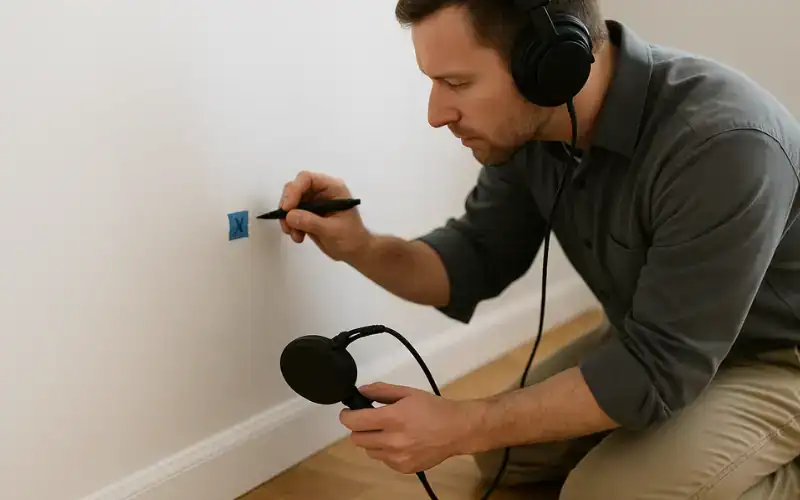
Once a drop is confirmed, technicians use listening equipment, thermal tools, and inspection cameras to narrow the location. In cars, the engine control module or powertrain control module may trigger a check engine light and store diagnostic trouble codes when irregular behavior is detected. In plumbing, our team pinpoints the leak so we can fix it with minimal disruption.
The Role of Leak Detection in Plumbing Maintenance
Early leak detection protects your home, your water bill, and your schedule. Small leaks often hide in walls, under floors, or below concrete. Catching them early shortens the repair window and lowers the risk of mold growth.
Good moments to schedule testing
- Unexplained water bill spikes
- Damp spots, musty smells, or bubbling paint
- Low water pressure in fixtures
- Hot or warm areas on a slab floor
- Sounds of water movement when every tap is off
These clues point to leaks, pressure loss, or water escaping into places it should not be. A quick test gives you clarity.
From EVAP System to Home Plumbing: What Is the Difference?
You may see the phrase “leak detection pump” (LDP) in car forums. In vehicles, the LDP sits inside the EVAP system. It pressurizes the fuel system to check for fuel vapor leaks that would otherwise vent to the atmosphere. Home plumbing uses a similar pressurize-and-monitor approach, but the target is water lines, not a fuel tank.
Automotive focus
- Fuel vapors, emissions standards, emissions compliance, and environmental protection
Plumbing focus
- Water conservation, property protection, and fast, surgical repair
A quick EVAP mention helps connect the dots without turning this into a car guide.
Why Early Detection Protects Fuel Efficiency and Water Efficiency
In cars, vapor leaks can reduce fuel efficiency because the fuel system is not operating as designed. At home, water leaks raise utility costs and can damage finishes and structures. Different systems, same idea. A tight, sealed system keeps performance and costs on track.
Common Reasons a Check Engine Light or Leak Warning Appears
This is not a car blog, but many homeowners have seen a check engine light that later turned out to be an EVAP issue. Typical triggers include a loose gas cap, cracked hoses, a sticky vent valve, or a saturated charcoal canister. That same logic applies to plumbing. Small faults lead to bigger warnings like bill spikes or visible moisture.
If you are curious
- The engine control module and powertrain control module monitor EVAP operation
- Diagnostic trouble codes flag irregular pressure behavior in the system
- A scan tool reads codes so techs can target the fix
For your home, we use pressure testing, acoustic tools, and cameras to reach the same outcome. Find the leak, then fix it.
Key Components: From Charcoal Canister to Plumbing Filters
The words change across industries, but the logic is similar. A system has components that manage air, gas, liquid, and pressure during testing.
Automotive EVAP components
- Leak detection pump, charcoal canister, vent valve, solenoid, hoses, gas cap, fuel tank, canister purge operation, diaphragm-style pump, vacuum checks
Plumbing test setup
- Pump, pressure sensor, control unit, valves, filtration canister, test hoses, isolation fittings, gauges
Different parts, same mission. Create a stable test, then monitor for a drop and confirm a proper seal.
Leak Detection, Emissions Compliance, and Environmental Protection
Cars use the EVAP system to keep harmful fuel vapors from escaping into the atmosphere. Homes benefit from leak testing because it prevents water waste, soil erosion, and hidden moisture that can harm structure. Both practices support environmental protection, just in different ways.
What You Can Expect During a Leak Chasers Test
We keep the process clear and tidy.
Site review
We look for visible signs, review fixture counts, and plan access points.
System isolation
Valves are set so we can test a defined section. The goal is a sealed system for an accurate read.
Pressurizing and monitoring
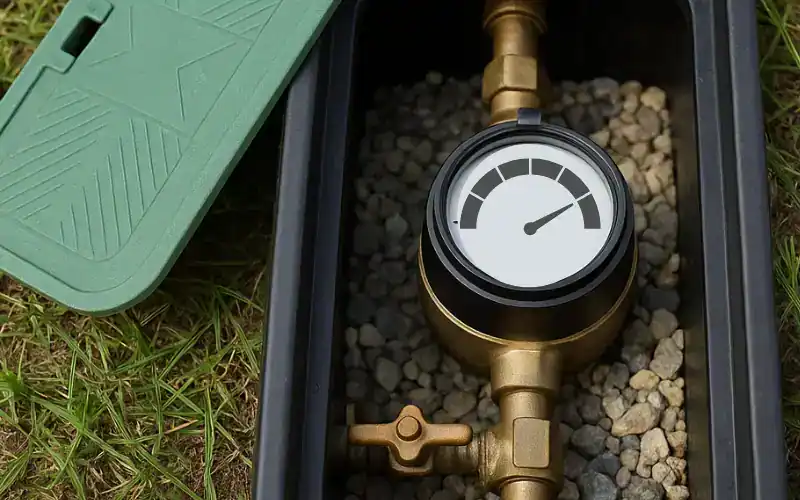
The pump introduces air or water. Our instruments monitor pressure and vacuum behavior over a timed window and flag any drop.
Leak location
If the graph shows a loss, we move to pinpointing with listening gear, cameras, and thermal checks.
Repair and confirmation
We complete the repair or coordinate with your plumber. Then we retest to confirm stable operation.
This step-by-step flow reduces guesswork and speeds up the fix.
How a Leak Detection Pump Helps Avoid Costly Repairs
A precise test prevents unnecessary demolition, reveals small leaks before they spread, and shortens downtime. That control over scope saves labor, materials, and finishes.
Savings that add up
- Fewer exploratory cuts and faster timelines
- Less damage to flooring, drywall, and cabinetry
- Lower chance of long-term moisture problems
Stopping a leak early is always cheaper than rebuilding later.
A Quick EVAP Glossary You Might See Elsewhere
If you are researching and run into automotive terms, here is a simple guide.
- Leak detection pump LDP pressurizes the EVAP system to aid in detecting leaks
- Charcoal canister captures fuel vapors so the car engine can burn them during normal combustion
- Vent valve and solenoid open or close air paths during tests
- Gas cap seals the fuel tank and prevents vapor leaks
- Check engine and diagnostic trouble codes are triggered when pressure behavior looks abnormal
Different hardware, same test logic. Create pressure, monitor, locate, and repair.
Call Leak Chasers
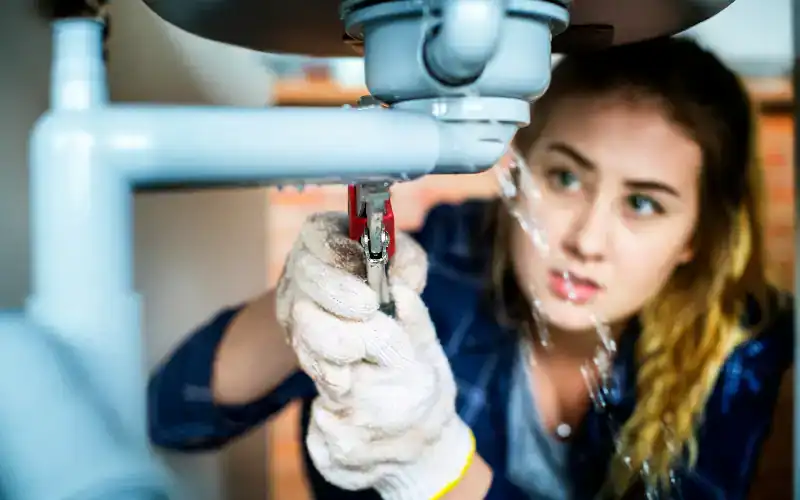
Think you have a hidden leak or want a proactive check after a bill spike or a renovation? Our team will run a targeted pressure test, track pressure and vacuum behavior, and use acoustic and camera tools to pinpoint the source. Once we locate the problem, we make the repair or coordinate with your plumber, then retest to confirm the system is stable. Contact Leak Chasers to schedule your leak detection service today. We will find the issue, fix it with a clear plan, and help protect your home without guesswork.