

If you’ve ever experienced a slab leak, you know it’s not something you can ignore. Water pooling in unexpected places, warm spots on your floor, or a sudden spike in your water bill—these are all signs that something is happening under your home’s concrete slab. While it might sound overwhelming, understanding the slab leak repair process can take away a lot of the stress.
Slab foundations are common in many homes and are particularly susceptible to slab leaks because water pipes are typically installed beneath the slab, making leaks harder to detect and repair.
At Leak Chasers, we specialize in finding and fixing slab leaks quickly, efficiently, and with minimal disruption to your daily life. So, let’s walk through what really happens during a slab leak repair—from spotting the first warning signs to restoring your home’s structural integrity.
What Is a Slab Leak and Why Does It Happen
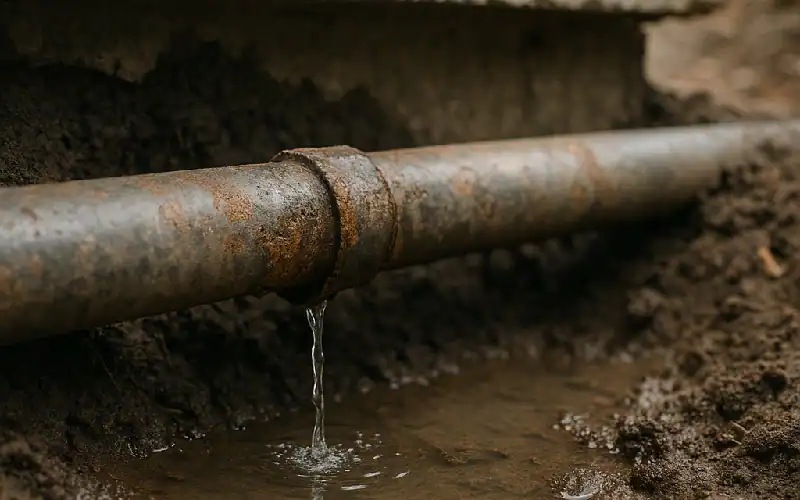
A slab leak happens when a water pipe running beneath your home’s concrete slab starts leaking. Water pipes are installed under the slab and are susceptible to damage from soil movement and contact with other materials like concrete and soil. Contact with these other materials can contribute to pipe deterioration and leaks.
This can happen for many reasons: corrosion of old copper pipes, shifting soil, poor installation, improper installation, or high water pressure. Over time, that small leak in a water pipe can turn into a major problem, causing water to seep into the soil and compromise your home’s foundation.
Because these leaks happen beneath the surface, they’re often called under-slab leaks. They can go unnoticed for weeks or months, allowing water damage and mold growth to spread before anyone realizes what’s going on.
Early Detection: The Key to Avoiding Bigger Problems
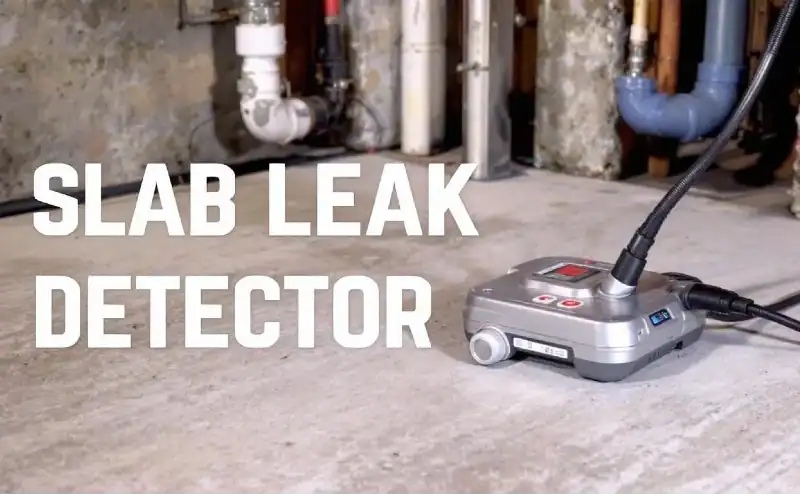
Detecting a potential slab leak early can save you from complex repairs and high repair costs. Some common signs include:
- Warm or damp spots on your floors
- Mold or mildew odors
- Water stains on baseboards or flooring
- Unusually high water bills
- Decreased water pressure
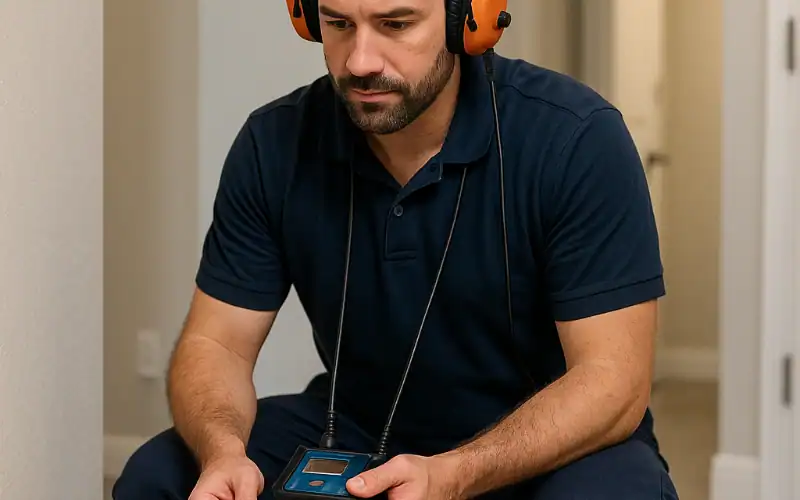
If any of these sound familiar, it’s time to have professionals perform a detailed leak detection test. At Leak Chasers, our team uses specialized equipment like thermal imaging, air pressure testing, and visual inspection to pinpoint the exact location of leaks without unnecessary digging.
Step 1: Leak Detection and Diagnosis
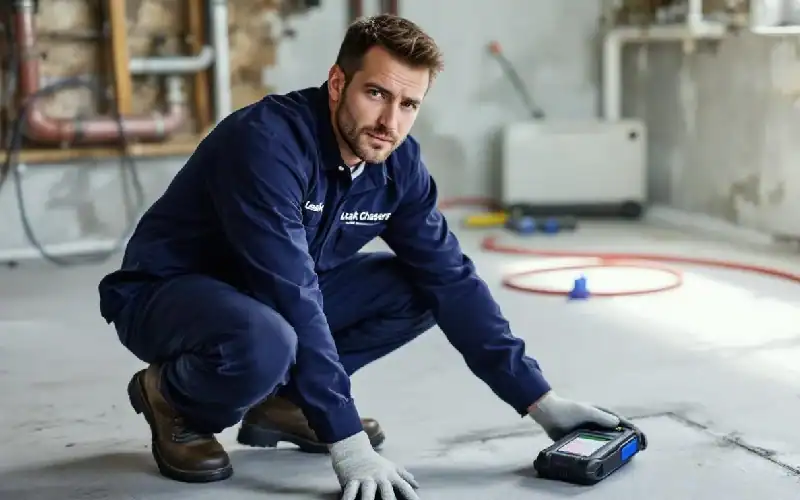
The first step in the slab leak repair process is accurate detection. You can’t fix what you can’t find. Our technicians use tools such as infrared cameras, electronic amplifiers, and air pressure tests to trace the sound and heat patterns of water leaks hidden beneath concrete slabs.
Once we identify the exact location, we evaluate the condition of your plumbing system and surrounding materials. We look at factors like soil movement, existing pipe conditions, and the type of plumbing materials used—whether copper pipes, plastic pipes, or cast iron.
Step 2: Accessing the Leak
Once the leak’s location is determined, we decide on the appropriate repair method. Addressing slab leaks can involve a range of techniques, from minimally invasive trenchless repairs to more disruptive, invasive methods. Depending on the situation, we may need to create a small access point through the slab, use a trenchless technique, or tunnel underneath the affected area. Each method has its pros and cons:
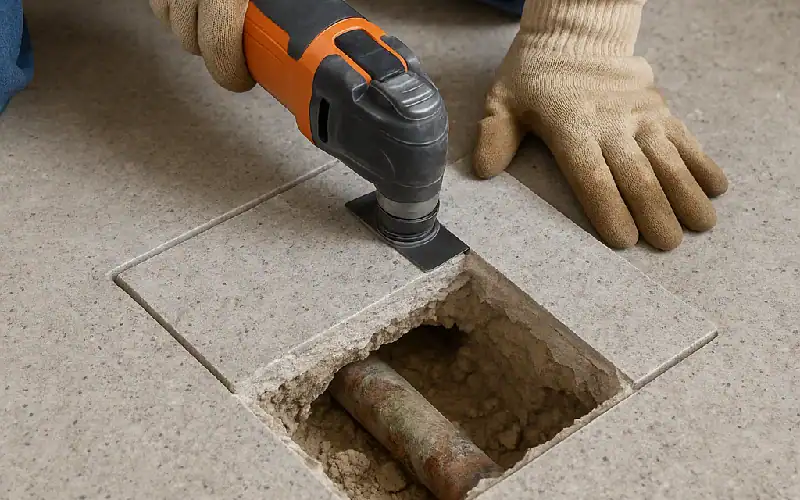
- Spot Repair: Ideal for isolated leaks. We break through the slab directly above the leak to access and repair it. This is considered an invasive method compared to trenchless options, but it is fast and straightforward.
- Pipe Rerouting: When multiple or complex leaks occur, rerouting new pipes around the problem area is often the best solution.
- Tunnel Repair: In some cases, tunneling underneath the structure is required to reach and repair the damaged pipe. This is another invasive method, typically used when direct access is not possible.
- Epoxy Pipe Lining: A trenchless repair option that involves coating the inside of existing pipes with an epoxy layer. It’s great for minimal disruption and strengthening older pipes. Pipe splitting is another trenchless repair technique, used in certain situations to insert new pipes through or alongside severely damaged lines.
Preparation for Repair
Before any slab leak repair begins, proper preparation is essential to ensure the process goes smoothly and effectively. The first step is to shut off the main water supply, which helps prevent further water damage and keeps the repair area safe for technicians. Next, it’s important to clear the area around the suspected leak—removing furniture, flooring, or any obstacles that might hinder access to the concrete slab. This not only speeds up the repair process but also protects your belongings from potential water exposure.
A thorough inspection of the entire plumbing system is also a key part of preparation. By checking for additional leaks or weak spots, professionals can address any hidden issues before they escalate, ensuring the structural integrity of both the concrete slab and your home’s plumbing system. Taking these preparatory steps helps guarantee that the leak repair is done right the first time, minimizing disruption and safeguarding your property.
Step 3: Repairing the Leak
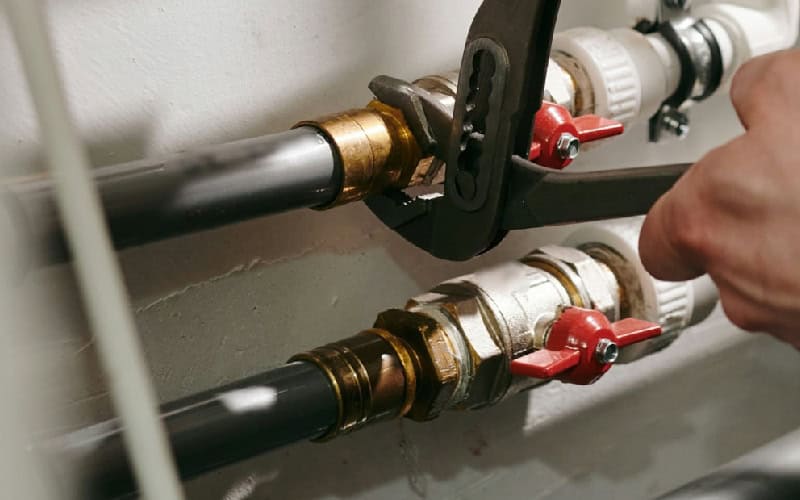
Now comes the hands-on part—fixing the slab leak efficiently and effectively. Depending on the repair method, this may involve:
- Replacing the Damaged Pipe: If the leaking pipe is too far gone, we replace it with a new pipe made from durable materials like copper or corrosion-resistant plastic.
- Epoxy Pipe Lining: This method involves inserting a resin-saturated liner into the damaged pipe. Once it cures, it forms a smooth, leak-free surface inside the existing pipe.
- Pipe Bursting: For severely damaged or old pipes, a bursting head breaks the existing pipe while simultaneously pulling in a new, durable pipe.
Repairing or replacing the water lines beneath the slab is essential to restore your plumbing system’s integrity and preventing further damage.
Pipe Bursting and Replacement
Pipe bursting and replacement is a modern, trenchless repair method that’s especially effective for fixing slab leaks beneath concrete slabs. When a damaged pipe is too deteriorated for traditional repairs, this technique comes into play. Using specialized equipment, technicians insert a bursting head into the old pipe, which breaks apart the damaged pipe as it moves through. At the same time, a new, durable pipe is pulled into place, seamlessly replacing the old one.
This approach is highly efficient and minimizes the need for extensive digging or demolition, making it ideal for homes where access is limited or disruption needs to be kept to a minimum. The new pipe used in this method is designed to resist corrosion and future leaks, providing a long-lasting solution to slab leaks. Pipe bursting and replacement is a cost-effective option that restores your plumbing system’s reliability while preserving the integrity of your concrete slabs.
Step 4: Pressure Testing and Verification
After the repair is done, our technicians conduct a pressure test to confirm that no additional leaks exist. This is where we carefully monitor water pressure throughout the plumbing lines. Any fluctuations could indicate hidden or future leaks that need attention.
We also perform a visual inspection and sometimes recheck with thermal imaging to confirm the entire process was successful.
Step 5: Foundation and Cleanup

If the leak caused soil expansion, foundation cracks, or any kind of structural damage, additional steps may be needed. This might include foundation repairs, sealing any concrete damage, or addressing mold growth in crawl spaces.
The best part? Most of these repairs can be completed in a few hours to a day, depending on the extent of the leak and accessibility.
Common Repair Methods Explained
Understanding each repair method helps homeowners know what to expect during slab leak repairs. Let’s break them down:
Spot Repair
When a slab leak occurs in one specific area, spot repair is often the most cost-effective choice. The plumber opens a small section of the concrete foundation directly above the leak and replaces or patches the damaged pipe. It’s quick, efficient, and perfect for localized leaks.
Pipe Rerouting
If your plumbing system has multiple leaks or improper installation, rerouting new plumbing lines is a better long-term fix. This prevents future leaks and avoids constant repairs on an aging system.
Epoxy Pipe Lining
This method involves inserting a flexible liner coated with epoxy resin into the existing pipe. Once the liner hardens, it creates a corrosion-resistant and watertight seal that can last for decades. This repair method is especially popular for homes with limited access points or when homeowners want minimal disruption to their flooring.
Tunnel Repair
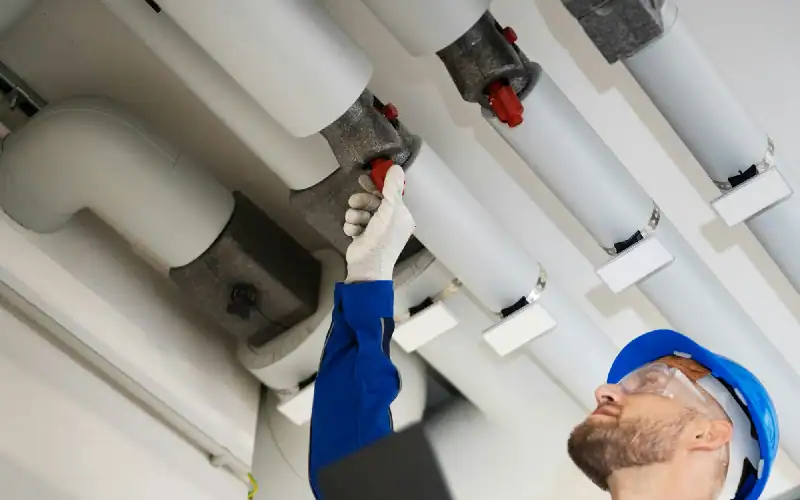
In some cases, plumbers choose to tunnel underneath the slab foundation to access the leak from below. It’s more labor-intensive but allows repair without breaking through interior floors. This is often used when leaks occur under key rooms like kitchens or bathrooms.
The Role of Plumbing Materials
Not all plumbing materials age the same. Copper pipes can corrode over time, plastic pipes may split under high pressure, and cast iron pipes are prone to rust. That’s why choosing the right material for new plumbing or repairs is so important.
Modern corrosion-resistant materials last longer and handle pressure changes better, reducing the chance of future leaks. During any slab leak repair, professionals assess your plumbing materials to determine whether rerouting or pipe lining is the best long-term fix.
Concrete Slabs and Soil Expansion
ConcreΩte slabs are strong, but they’re not immune to the effects of soil expansion. When the soil beneath your home becomes saturated with water—often due to leaking pipes or poor drainage—it can swell and exert pressure on the slab above. This pressure can cause cracks in the concrete and damage the pipes running underneath, leading to slab leaks and even more serious structural damage if left unchecked.
Understanding how soil expansion impacts concrete slabs is crucial for both preventing and repairing slab leaks. Homeowners can help protect their property by maintaining consistent soil moisture levels and ensuring proper drainage around the foundation. Regularly monitoring the plumbing system for leaks and addressing any issues promptly can also prevent soil expansion from causing costly damage. By staying proactive, you can safeguard your home’s foundation and avoid the headaches of slab leaks.
How Long Does the Slab Leak Repair Process Take?
You might be surprised to learn that the slab leak repair process doesn’t always take days. For smaller leaks or spot repairs, the entire process might only take a few hours. More complex repairs involving tunneling or rerouting can take longer, but the goal is always to complete the job efficiently with minimal disruption.
Repair Cost Considerations
The cost of slab leak repair can vary significantly based on several factors, including the location and severity of the leak, the chosen repair method, and the condition of your plumbing system and concrete slab. Minor leak repairs may only require a small investment, while more complex repairs—such as those involving pipe rerouting, pipe bursting, or foundation work—can be more expensive.
Other elements that influence repair costs include the type of piping material, the extent of any water or structural damage, and whether additional repairs are needed to restore your home. It’s important to consult with a professional to get an accurate estimate tailored to your specific situation. While upfront costs may seem high, investing in the right repair method can prevent future leaks and protect the long-term integrity of your plumbing system and concrete slab, ultimately saving you money and stress down the line.
How Slab Leak Repair Protects Your Home’s Foundation
Ignoring slab leaks can lead to serious structural damage. As leaking water saturates the soil, it causes soil expansion and shifting, both of which stress your concrete foundation. Over time, this can lead to foundation cracks, uneven floors, and even the need for foundation repair.
By addressing leaks early and using durable repair techniques like epoxy pipe lining or pipe rerouting, you help preserve your home’s structural integrity and prevent future leaks.
Common Misconceptions About Slab Leak Repairs
Myth 1: You always have to break through the slab.
Not necessarily! With methods like trenchless and pipe lining, you can repair leaks without major disruption.
Myth 2: All slab leaks are expensive.
The repair costs vary based on location and severity. Catching leaks early helps keep costs manageable.
Myth 3: You can fix it yourself.
DIY fixes rarely address the root cause. It’s better to have professional plumbers with specialized equipment handle the job.
Prevention Tips
Preventing slab leaks starts with regular attention to your home’s plumbing system and foundation. Keep an eye out for warning signs like warm spots on your floors, unexplained increases in your water bill, or the sound of running water when all faucets are off. These can be early indicators of a hidden leak beneath your concrete slab.
Schedule routine inspections of your plumbing system to catch small issues before they become major problems. Make sure the soil around your foundation is properly graded and that drainage systems are working effectively to prevent soil expansion, which can lead to slab leaks. By staying vigilant and addressing potential problems early, you can reduce repair costs, maintain the structural integrity of your concrete slab, and extend the life of your plumbing system.
Importance of Regular Maintenance
Regular maintenance is the cornerstone of preventing slab leaks and ensuring your plumbing system remains in top condition. This means scheduling periodic inspections to check for signs of corrosion, leaks, or changes in water pressure. Addressing minor issues promptly can prevent them from turning into major repairs that threaten the structural integrity of your concrete slab.
Consider installing a water leak detection system for added peace of mind—these systems can alert you to leaks before they cause significant damage. By prioritizing regular maintenance, you not only protect your investment but also avoid the inconvenience and expense of emergency slab leak repairs. A proactive approach keeps your plumbing system running smoothly and your home’s foundation strong for years to come.
When to Call a Professional
If you’ve noticed wet spots, warm floors, or unusually high water bills, don’t wait. These could be early signs of a hidden leak under your home. A professional inspection from Leak Chasers can reveal what’s going on beneath your concrete slabs before it turns into a bigger issue.
Remember, even small leaks can cause extensive damage if ignored. Calling professionals early helps reduce repair costs and protect your home’s foundation.
Fix It Right with Leak Chasers
The slab leak repair process doesn’t have to be stressful. With the right tools, techniques, and experienced professionals, your home can be restored quickly and efficiently. At Leak Chasers, we take pride in providing thorough leak detection, professional diagnosis, and customized repair solutions that suit your home and plumbing system.
Whether it’s a small leaky pipe or a major under-slab leak, our team handles it all with care and precision. We use the latest in trenchless repair, pipe lining, and epoxy coating methods to get the job done right without turning your home into a construction zone.
Don’t wait until a hidden leak becomes a costly repair. Contact Leak Chasers today to schedule your slab leak repair and protect your home’s foundation for years to come.