

When it comes to maintaining your home’s plumbing system, few issues are as deceptive and potentially devastating as slab leaks. These hidden water leaks occur beneath your concrete foundation, making them difficult to detect until significant damage has already taken place. That’s why trusted professionals like Leak Chasers play a vital role in early detection and repair. Understanding the dangers of ignoring slab leaks is crucial for every homeowner who wants to protect their property, health, and financial investment.
Understanding Slab Leaks and Why Timely Detection Matters
A slab leak occurs when pipes running beneath your concrete slab begin to leak water into the surrounding soil. These leaks can develop in both hot water lines and cold water supply pipes, creating a hidden threat that many homeowners don’t discover until extensive damage has occurred. The causes of such leaks range from pipe corrosion and poor installation to shifting soil and ground movement that stresses pipes over time.
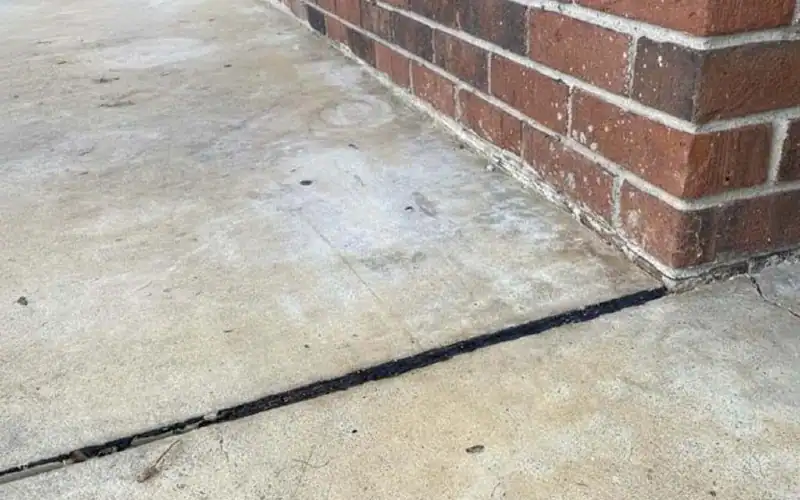
What makes slab leaks particularly dangerous is their location—hidden beneath your concrete foundation, where they’re impossible to see without specialized equipment. Unlike visible plumbing issues, a concrete leak can persist for months or even years before homeowners notice damp spots on their floors or experience other early warning signs. This is why understanding slab leaks and recognizing warning signs early is essential to avoid costly repairs down the road.
The importance of early detection cannot be overstated. When you catch a small slab leak before it escalates, you can minimize disruption to your home and significantly reduce repair costs. However, when homeowners ignore these hidden dangers, the consequences can be catastrophic for both the home’s structural integrity and the family’s health.
Structural Risks from Ignoring Slab Leaks
Perhaps the most alarming consequence of ignoring a slab leak is the threat it poses to your home’s foundation. Water leaks beneath your concrete slabs don’t simply disappear—they accumulate, erode soil, and compromise the very structure that supports your entire home.
Foundation Erosion and Soil Displacement

When a slab leak persists, the constant flow of leaking water begins to erode the surrounding soil beneath your foundation. This soil erosion creates voids and unstable areas that can no longer properly support your concrete foundation. As the soil shifts and washes away, your home essentially loses its stable footing.
The water pressure from continuous leaking accelerates this process, particularly when the leak occurs in pressurized water lines. Even small slab leaks can displace substantial amounts of soil over time, leading to foundation settling and movement. Galvanized steel pipes, commonly found in older homes, are especially prone to this type of failure as they corrode from the inside out.
Cracking and Settlement Issues

As soil erosion progresses, your concrete slab begins to settle unevenly. This settlement creates stress points that manifest as cracks in your foundation, walls, and floors. You might notice cracks forming in tile flooring, gaps appearing around door frames, or hardwood floors beginning to buckle and warp from constant moisture exposure.
These cracks aren’t merely cosmetic issues—they represent severe structural issues that compromise your home’s stability. Foundation damage from hidden leak sources can cost tens of thousands of dollars to repair, especially when the problem has been allowed to worsen over months or years. The structural integrity of your home depends on catching these problems early before they require extensive repairs.
Health and Environmental Hazards

Beyond structural concerns, ignoring slab leaks creates serious health risks for you and your family. The persistent presence of water beneath your home creates an ideal environment for biological hazards that can affect indoor air quality and cause long-term health problems.
Mold and Mildew Development
Constant moisture from hidden water leaks creates perfect conditions for mold and mildew growth beneath and around your foundation. Mold spores thrive in damp, dark environments, and a concrete leak provides exactly that. These organisms don’t stay contained beneath your home—they spread through cracks and gaps, infiltrating your living spaces and compromising air quality.
Extended exposure to mold can lead to respiratory issues, allergic reactions, headaches, and more serious health complications for individuals. Children, elderly family members, and those with compromised immune systems face specific serious health risks from mold and mildew. The health hazard posed by these biological contaminants makes prompt repairs essential, not optional.
Water Waste and Environmental Impact
While health and structural concerns take priority, the environmental and financial cost of water waste shouldn’t be overlooked. A small leak might seem insignificant, but even pinhole leaks can waste thousands of gallons of water annually. This waste contributes to skyrocketing water bills and places unnecessary strain on local water resources.
Homeowners often notice their water bills increasing gradually, attributing the rise to normal usage fluctuations. However, increased utility bills are frequently an early warning sign of hidden leaks in your plumbing system. When you ignore these signals, you continue paying for water that’s literally disappearing into the ground beneath your home.
Financial Consequences of Ignoring Slab Leaks
The financial impact of ignoring slab leaks extends far beyond your monthly water bill. The longer you wait to address these plumbing issues, the more expensive the repair process becomes.
Repair Cost Breakdown
Early detection of a slab leak might require professional electronic leak detection services and targeted slab leak repair, which can often be completed with pipe rerouting or epoxy pipe lining. These early interventions typically cost a fraction of what extensive repairs require when foundation damage has already occurred.
However, when homeowners ignore warning signs and delay repairs, the costs escalate dramatically. What could have been a straightforward repair becomes a complex project involving foundation repair, concrete slab removal and replacement, extensive plumbing system overhauls, and restoration of damaged flooring and walls. These expensive repairs can easily reach tens of thousands of dollars—costs that could have been avoided with timely intervention and acting quickly when problems first arise.
Impact on Home Resale Value
Beyond immediate repair costs, ignoring slab leaks significantly impacts your property value. Potential buyers and home inspectors look for signs of foundation damage, water damage, and plumbing issues. A history of persistent leaks or visible evidence of structural damage from water intrusion will dramatically reduce your home’s marketability and sale price.
Even if you attempt to conceal previous damage, disclosure laws in most states require sellers to inform buyers about known issues, including past slab leak repairs. Transparency is legally required, and buyers will inevitably negotiate lower prices when they learn about significant damage to the home’s foundation and plumbing system.
How to Detect and Address Slab Leaks Early

Understanding the dangers is only half the battle—homeowners must also know how to recognize when a slab leak occurs and take appropriate action.
Common Signs of Slab Leaks
Several warning signs indicate you might have hidden beneath your foundation. Watch for warm spots on your floors, which often indicate leaks in hot water lines. Notice damp spots on carpets or flooring, especially when no obvious source of water is present. Listen for the sound of running water when all fixtures are turned off.
Other signs include unexplained increases in utility bills, reduced water pressure throughout your home, cracks appearing in walls or floors, and the sound of water running beneath your floors. If your foundation appears to be shifting or you notice doors and windows that no longer close properly, these could indicate soil erosion caused by leaking water.
Professional Detection Techniques
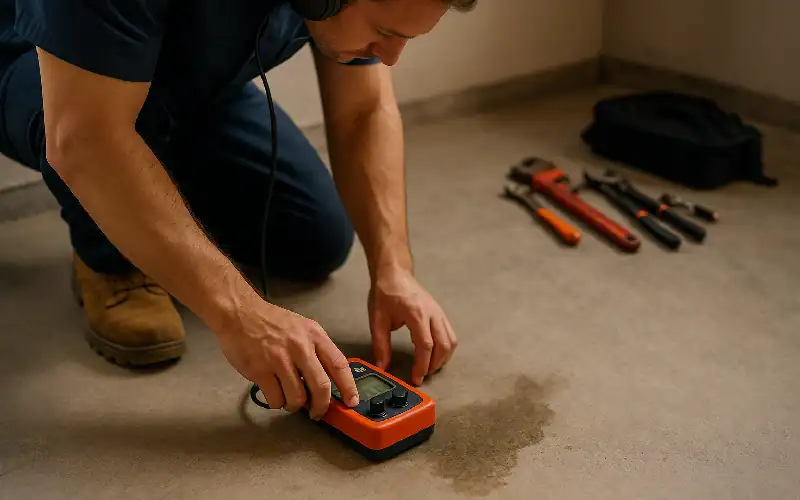
While homeowners can watch for warning signs, professional plumbing services employ sophisticated methods to pinpoint leak locations without unnecessary excavation. Electronic leak detection uses acoustic listening devices and infrared cameras to locate hidden leaks precisely. Pressure testing can identify drops in water pressure that indicate leaking pipes.
Professional plumbers may also use tracer gas detection, which involves introducing a harmless gas into your plumbing system and using specialized sensors to detect where it escapes through leak points. These non-invasive techniques allow professionals to fix leaks with minimal disruption to your home and daily life.
Prevention Tips and Maintenance Advice
While some causes of slab leaks—like ground movement and aging galvanized steel pipes—are beyond homeowner control, regular plumbing inspections can identify potential problems before they become emergencies.
Schedule annual inspections with qualified plumbing services to assess your home’s plumbing system, particularly if you live in an older home or an area with shifting soil. Monitor your water bills for unexplained increases. Address small plumbing issues promptly rather than letting them escalate. Consider replacing aging pipes before they fail, especially if your home still has original galvanized steel pipes.
If you’re building a new home, ensure proper installation of all plumbing systems and consider using more durable piping materials that resist corrosion and damage. Proper installation from the start can prevent many of the issues that lead to slab leaks later.
Frequently Asked Questions
What are slab leaks, and how do they start?
Slab leaks are leaks that occur in water pipes located beneath your home’s concrete foundation. They typically start due to pipe corrosion, poor installation, ground movement, or excessive water pressure that causes stress pipes to develop cracks or holes over time.
How can slab leaks affect my home’s foundation?
When leaking water erodes the surrounding soil beneath your concrete slabs, it creates voids that cause your foundation to settle unevenly. This leads to cracks, structural damage, and potentially severe structural issues that compromise your entire home’s stability.
What health risks are associated with slab leaks?
The constant moisture from slab leaks creates ideal conditions for mold growth and mildew growth. Prolonged exposure to these biological contaminants can cause respiratory issues, allergic reactions, and other serious health risks, particularly for children and those with compromised immune systems.
How much does it cost to fix a slab leak?
Early slab leak repairs typically cost between $500 and $4,000, depending on location and severity. However, if the leak persists and causes foundation damage, repair costs can escalate to $10,000 or more, including foundation repairs and extensive damage restoration.
Can I detect a slab leak myself?
While homeowners can watch for early warning signs like warm spots, damp areas, unusual sounds, or skyrocketing utility bills, professional electronic leak detection is typically necessary to pinpoint the exact location of hidden leaks without unnecessary excavation.
How urgent is it to repair a slab leak?
Slab leak repairs should be considered urgent. Even a small leak can cause significant damage over time, leading to foundation damage, mold growth, costly repairs, and health hazards. The sooner you address the issue, the less expensive and disruptive the repair process will be.
Call Us Before Further Damage
The dangers of ignoring slab leaks are real, serious, and potentially devastating to your home and health. From foundation damage and soil erosion to mold exposure and skyrocketing water bills, the consequences of inaction far outweigh the cost and inconvenience of prompt repairs.
Don’t wait until you’re facing extensive repairs and expensive restoration work. If you suspect hidden water leaks beneath your concrete foundation, contact professional plumbing services immediately. Early detection and timely intervention are your best defenses against the hidden dangers lurking beneath your home.
Remember, a small slab leak today can become a catastrophic failure tomorrow. By understanding the risks, watching for warning signs, and acting quickly when problems arise, you can avoid costly repairs, protect your family’s health, and preserve your home’s structural integrity for years to come. The importance of addressing such leaks cannot be overstated—your home’s future depends on the actions you take today.
Contact Leak Chasers now—your trusted partner in keeping your home safe, sound, and leak-free.