

Some leaks appear beneath your sink. Others are buried under your home, quietly causing severe damage. At Leak Chasers, we know how easy it is to overlook the signs of a slab leak, especially when everything looks fine on the surface. But when trouble is lurking beneath your floors, spotting those first potential leaks can save you thousands.
Most Common Warning Signs of a Slab Leak

Let’s go over the red flags that tell you a slab leak occurs beneath your home. These signs might seem small at first, but they often point to serious trouble.
1. Unexpected Increase in Water Usage & Bills
If your water bill suddenly jumps but your routine hasn’t changed, that could be a sign. Water usage tends to be consistent month to month, so a sudden spike, especially over a few billing cycles, suggests a leak somewhere in your plumbing pipes.
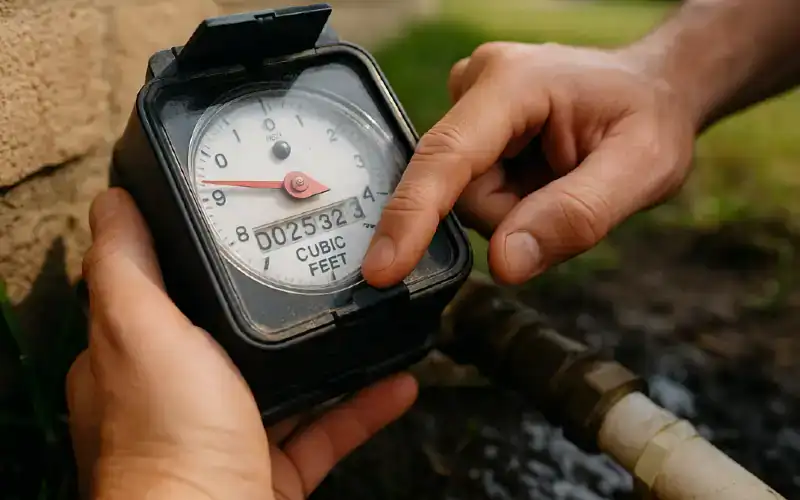
A quick test is to check your water meter. Shut off all appliances and faucets, and make sure nobody’s using water. If the meter still moves, that means water is escaping somewhere. And if there’s no visible leak in your home, that water may be leaking from plumbing pipes beneath your concrete foundation. Left unchecked, even a small leak under the slab can waste thousands of gallons and lead to serious structural instability.
2. Water Stains and Pooling Water
Water from a broken pipe doesn’t stay put; it finds the path of least resistance. Sooner or later, you’ll see pooling water inside or around your home.
Look for standing water, wet spots, or dampness near exterior walls, in low-traffic areas, or outside near the base of your house. This water might be coming from a damaged pipe beneath your slab foundation, not just household leaks like faucets or appliances.
We’ve seen many cases where water seeps through cracks in tile, along baseboards, or under cabinetry. It might not seem serious at first, but that persistent moisture often points to a potential slab leak lurking below.
3. Mold and Mildew Smell
If there’s a musty odor that won’t go away even after cleaning, that’s a strong indicator of mildew growth or mold growth caused by excess moisture. Slab leaks provide the perfect environment for mold spores—dark, damp, and tucked away where they can multiply fast.
Over time, mold and mildew growth can spread through your flooring and walls, especially if water pipe leaks continue undetected. The longer this moisture stays trapped under your concrete slab, the greater the chance of contamination and serious health risks. Mold can particularly pose health risks for people with allergies, asthma, or compromised immune systems.
4. Hot Spots on the Floor
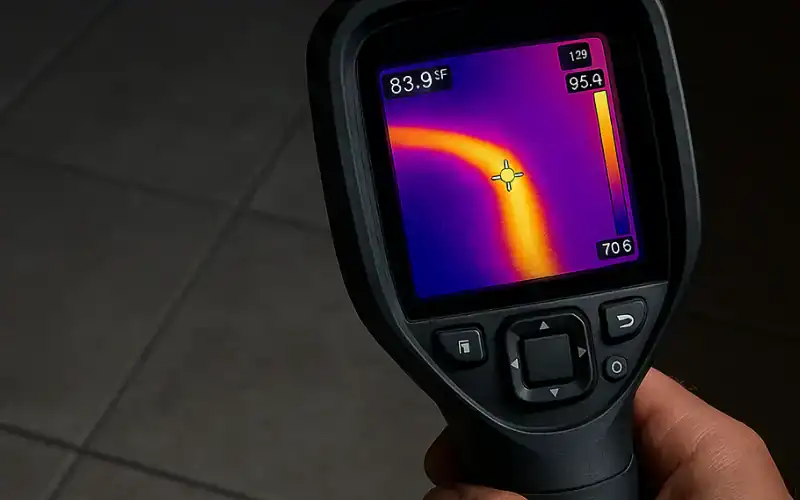
Have you ever stepped barefoot onto your tile or wood floor and noticed it feels unusually warm in one spot? That could be leaking from your hot water pipes beneath the slab. This is because slab leaks involving hot water lines often cause the concrete above to heat up. These “hot spots” usually appear in bathrooms, kitchens, or hallways where water lines run beneath the surface.
If your water heater seems to be running nonstop or if your floor feels warm in random areas, you may have leaking water from a hot line under the slab. These are subtle clues, but they can point directly to a potential slab leak that needs to be addressed before it causes severe consequences.
5. Constant Sound of Running Water
Hearing water when everything’s turned off? That’s a classic sign that something’s wrong. Many homeowners tell us they hear a faint hissing or trickling noise when the house is quiet. If your water supply is shut off inside, but you still hear water movement, that usually means water is escaping somewhere unseen, often from a leaking pipe beneath the slab.
Don’t dismiss it. That sound could be water escaping from a line deep under your slab foundation. Early slab leak detection can help you catch the problem before it turns into extensive structural damage.
6. Low Water Pressure
A sudden drop in water pressure, especially across multiple fixtures, is another potential sign of a slab leak. If it feels like your faucets and showerheads have gone from full force to a trickle, that could be a broken pipe leaking under your concrete slab.
When plumbing pipes lose integrity or develop cracks beneath your foundation, you’ll see a dip in pressure because water isn’t making it to its destination. Instead, it’s leaking into the ground beneath your home. This is especially common in homes with older or galvanized steel pipes, which can rust, corrode, and strain pipes until they break.
7. Cracked Slab Foundation
When a slab leak occurs, it weakens the ground beneath your home. That moisture softens the surrounding soil, which can shift and lead to soil erosion. Over time, the constant movement can put pressure on your home’s foundation, eventually causing cracks to form in your flooring, walls, or slab.
Look for visible cracks in your tile, drywall, baseboards, or along your concrete foundation. These are often overlooked or blamed on settling, but when combined with other visible signs like water spots or uneven flooring, they suggest a more serious issue.
In severe cases, improper installation or poor construction can make things worse, especially if the existing pipe layout wasn’t built to handle Oklahoma’s shifting soil. That’s why it’s so important to get a professional opinion if you suspect a slab leak.
8. Constantly Running Hot Water Heater
If your water heater seems to run longer or more frequently than normal, that may be because your hot water pipes are leaking beneath the slab. When hot water is constantly draining out of a hidden leak, the heater has to work overtime to keep up. Aside from wasting energy, it puts more wear and tear on your appliance, shortens its lifespan, and leads to inflated utility bills. You might notice that hot water takes longer to arrive at fixtures or doesn’t stay hot for long.
Benefits of Early Detection
You don’t want to wait until a small leak turns into a more complex and expensive problem. At Leak Chasers, we’ve seen how fast slab leaks can escalate into full-blown disasters.
Early detection is important because:
1. You Avoid Major Structural Damage
Water leaks under the slab can eat away at the surrounding soil, cause your home to settle unevenly, and lead to cracks that compromise the structural integrity of your house. The longer you wait, the more serious the structural damage can become.
2. You Avoid Costly Repairs
A simple professional repair, like patching a damaged pipe or doing pipe rerouting, costs far less than replacing flooring, repairing foundation cracks, or restoring mold-damaged drywall.
If you catch the leak early, you might only need to replace a short section of water pipe. Wait too long, and you might be looking at a full slab leak repair or repiping.
3. You Protect Your Health
Standing water, mold spores, and mildew growth from a slab leak don’t just damage property; they can pose health risks to your family. Breathing in contaminated air from mold can cause long-term respiratory problems and worsen allergies.
4. You Lower Utility Bills
A leak in your water lines wastes both water and energy. Fixing the leak helps stop the waste and keeps your water usage and energy bills in check. You’ll also take pressure off your water heater, which means fewer breakdowns and a longer lifespan for your unit.
5. You Preserve Home Value
Homes with unresolved leaks or damaged foundations often lose value and are harder to sell. If an inspector finds signs of a slab leak during a home sale, it could delay the process or lower your offers. Taking care of the issue early protects your investment and your future resale options.
DIY vs. Hiring a Professional Plumber
Trying to DIY a slab leak fix usually leads to more problems. At Leak Chasers, we use professional slab leak detection tools to locate the exact location of the issue without tearing up your floor unnecessarily.
What We Use:
- Acoustic listening to hear water escaping from underground pipes
- Thermal imaging to spot warm areas above hot water pipes
- Pressure testing to isolate leaks in your plumbing system
- Moisture mapping to track how far the leaking water has spread
Once we know what we’re dealing with, we’ll walk you through your options, whether that’s spot repair, pipe rerouting, or full slab leak repair. You don’t have to live with uncertainty or risk further severe consequences—not when a professional plumber can get to the root of the problem and fix it the right way.
Work With Our Slab Leak Repair and Slab Leak Detection Experts
Not sure what’s going on beneath your floors? That’s okay—we do!
At Leak Chasers, our team uses proven slab leak detection methods to pinpoint the issue, whether it’s water pooling in hidden areas or a slow leak that could corrode pipes over time. We’re here to help you address slab leaks early, affordably, and with as little disruption as possible.
Give us a call at (405) 751-7777 or contact us online to get started.