


A lot of slab leaks stay out of sight for a while. But once they show up, the damage happens fast. Your foundation, flooring, and plumbing system are all at risk, and if left unchecked, can lead to costly repairs. That’s why preventing slab leaks is so important, and why we at Leak Chasers always say early action is better than expensive fixes.
Below, you’ll find some helpful slab leak prevention tips straight from the pros!
1. Monitor Water Pressure Regularly to Start Preventing Slab Leaks Early
Water pressure affects how plumbing pipes hold up beneath the slab. High pressure puts stress on underground pipes, which makes them more likely to develop leaks over time. And when water pressure stays too high for too long, it can lead to pipe corrosion, joint failures, and even pipe bursting.
A simple pressure gauge gives you a clear reading of what’s happening in your plumbing system. Most homes should stay around 40–60 PSI. If you consistently see numbers above that range, your pipes beneath the slab are taking unnecessary strain. Over time, that extra pressure is one of the common causes of slab leaks in Oklahoma homes.
Installing a pressure‑reducing valve helps regulate the flow if your home tends to run high. It also helps extend the life of appliances and fixtures that don’t handle high-pressure water well. Staying proactive about monitoring water pressure is one of the easiest ways to prevent further damage and avoid sudden surprises under the concrete slab.
2. Upgrade Old Copper Pipes, Galvanized Steel, and Iron Pipes Before They Fail
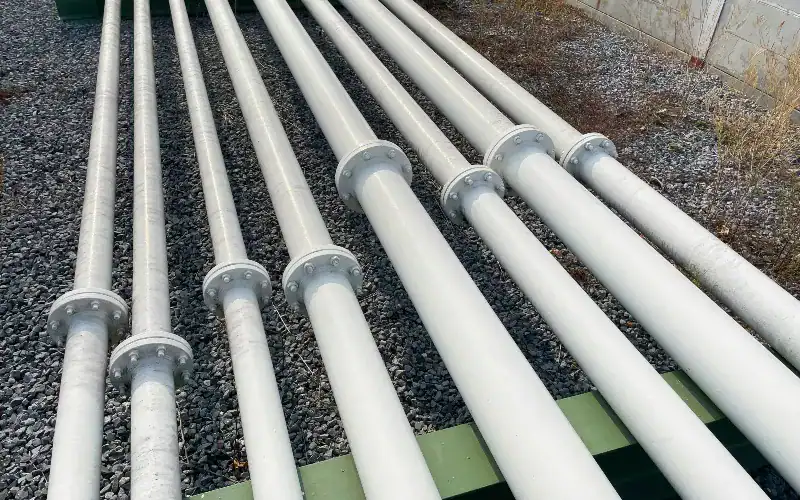
Older plumbing materials like galvanized steel, copper pipes, and iron pipes become more vulnerable as they age. Mineral buildup, pipe corrosion, and thinning metal all create weak spots. When those pipes sit beneath the slab, those weak spots eventually develop leaks.
Many older homes in Oklahoma City were built with these materials. Over time, soil movement, water pressure changes, and natural aging cause these existing pipe materials to wear out. At some point, they simply cannot handle daily water usage without developing leaks.
Replacing these older lines with modern plumbing materials, like PEX or updated copper designed to resist corrosion, reduces long‑term risk. So if you already have a slab leak repair planned, that is a good time to evaluate how much of your plumbing system should be replaced. It can be more cost‑effective to upgrade vulnerable lines now than face additional slab leaks later.
3. Watch for Pipe Corrosion and Choose Better Long-Term Plumbing Materials
Pipe corrosion develops slowly, and many homeowners don’t realize how widespread it is until a slab leak occurs. Soil beneath the home can contain minerals that accelerate corrosion. Hard water creates more mineral buildup inside older pipes. Underground pipes also face pipe stress from shifting soil, which wears down metal faster.
Routine inspections help catch corroded pipes before they fail. If your plumber shows you green or brown discoloration on copper or flaking on galvanized steel, those are early signs that the pipes are weakening. Even if the lines are still functioning, they are at high risk of developing leaks beneath the slab. Switching to corrosion‑resistant plumbing materials gives your home more long‑term stability. A water softener can also help protect plumbing lines from mineral buildup. This simple upgrade slows down internal corrosion and reduces future leaks.
4. Use Professional Slab Leak Detection to Catch Problems Before They Spread
Professional slab leak detection is one of the most valuable services you can use if you suspect a potential slab leak. Since slab leaks happen beneath the slab, you won’t see the leak directly. Instead, plumbers use electronic leak detectors, moisture meters, thermal imaging cameras, and acoustic equipment to locate leaks without damaging the concrete foundation. These tools help detect hidden leaks early, sometimes before water seeps into flooring or exterior walls. They’re especially effective for locating cold water leaks, hot water leaks that create warm spots on floors, and even pinhole leaks in metal pipes.
Leak Chasers’ professional slab leak detection gives you clarity on the leak location, which helps determine the best repair method. Early detection usually leads to simpler slab leak repair options, while waiting often leads to more expensive repairs or structural damage.
5. Stabilize Soil Movement Around Your Home’s Slab Foundations
Soil movement is a major factor in how slab leaks develop. The ground beneath a home expands when it absorbs moisture and contracts during dry periods. This movement places pressure on plumbing pipes buried beneath the slab. If the soil shifts too much, the pipes bend or rub against the concrete foundation, eventually causing leaks.
You can help stabilize the soil beneath your home’s foundation by keeping moisture levels consistent. During very dry weather, use gentle watering around the home’s perimeter to prevent the ground from shrinking too quickly. Avoid planting large trees near the slab foundations, because aggressive roots can wrap around pipes and damage underground plumbing lines.
Ultimately, good landscaping and proper drainage also help prevent excess moisture from flooding the ground beneath the slab. When soil maintains a steady level of moisture, pipes experience less stress and are less likely to develop leaks.
6. Seal Small Foundation Cracks Before They Turn Into Bigger Structural Issues
Foundation cracks don’t automatically mean you have a slab leak, but they are a warning sign that soil movement or moisture issues are affecting the home. Once water leaks into these cracks, the soil beneath the slab can erode. That leads to more cracks and puts more pressure on plumbing pipes.
Inspect the edges of your concrete slab and the interior of crawl spaces for visible cracks. Small cracks can be sealed quickly, which prevents water intrusion and stops further damage. If cracked sections already show signs of moisture buildup or mold growth, you may have a hidden leak that needs attention. Addressing these cracks early keeps your home more stable, protects plumbing lines from unnecessary movement, and helps prevent future slab leaks.
7. Install Pipe Lining as a Modern Way to Reinforce Aging Plumbing Lines
Pipe lining, including epoxy pipe lining, has become a valuable way to strengthen aging underground pipes. Instead of replacing every existing pipe, a liner is inserted into the damaged pipe and cured in place. This creates a smooth, durable interior surface that resists corrosion and stops leaks.
Pipe lining works well for pipes beneath the slab because it avoids major demolition. It can extend the life of old copper pipes, galvanized steel pipes, or iron pipes without tearing up floors or concrete. Pipe lining also helps prevent leaks caused by poor installation in older homes, where plumbing lines were not always installed with enough clearance from abrasive surfaces.
If you’re considering slab leak repair, ask your contractor if pipe lining is a viable option. It can be more affordable than full repiping and can prevent future leaks in sections that are still intact but showing early signs of wear.
8. Respond Quickly to Wet Floors and Other Early Warning Signs
Slab leaks often reveal themselves through subtle signs long before major damage becomes visible. Keep an eye out for:
- wet floors or damp spots
- musty odors in specific rooms
- warm areas on the floor
- a sudden spike in your water bill
- reduced water pressure
- water meter movement when all fixtures are off
These early warning signs usually point to a hidden leak somewhere beneath the slab. If you notice one or more of them, it’s best to act right away. The longer water leaks under the home, the more it affects the structural integrity of the slab and the more likely you’ll face mold growth or further damage. Quick action limits repair costs and makes addressing slab leaks more manageable.
9. Schedule Routine Inspections to Stay Ahead of Slab Leak Repair Options
Routine inspections give you a clear picture of the health of your plumbing system. With annual or biannual visits, plumbers can inspect plumbing lines, test water pressure, check for pipe corrosion, and use leak detection tools to look for hidden issues.
Additionally, regular inspections are especially important for homes with older plumbing materials or areas known for shifting soil. They help identify early signs of trouble, such as mineral buildup, pipe stress, or moisture readings that signal a potential slab leak. Staying ahead of these issues gives you more slab leak repair options. It’s much easier to fix a small, localized problem than address a large section of damaged plumbing beneath the slab.
10. Improve Drainage Around the Home to Reduce Stress on Slab Foundations
Poor drainage is a common reason slab leaks happen. When water pools near the home, it increases soil movement, softens the ground beneath the slab, and allows water to seep into cracks.
Make sure gutters and downspouts move water away from the home. The ground should slope away from the foundation so rainwater flows outward rather than toward the exterior walls. If water tends to pool in one spot, consider adding French drains or surface drains that redirect moisture. Proper drainage reduces excess moisture around the slab and helps maintain consistent soil conditions, giving underground pipes less stress and extending their lifespan.
11. Protect Plumbing from Temperature Extremes That Trigger Pipe Corrosion
Temperature changes affect the pipes beneath your concrete slab more than you might think. Hot summers, cold winters, and rapid temperature swings all cause the plumbing system to expand and contract. Over time, this movement contributes to leaks, especially in older metal pipes.
Insulating exposed water lines, maintaining stable water pressure, and using corrosion‑resistant plumbing materials all help reduce temperature‑related pipe stress. In some cases, upgrading the water heater or insulating lines connected to the slab also reduces cold water leaks and temperature‑induced strain on underground pipes. Keeping temperature changes under control wherever possible reduces the risk of pipe corrosion and future leaks.
12. Ensure Proper Installation and Support for Water Lines to Prevent Bending and Breaks
A surprising number of slab leaks are linked to poor installation, such as pipes laid too close to concrete, improper bedding in soil, or sharp bends in water lines. All of these create weak points. Over time, shifting soil and water pressure changes work against those spots until a leak develops.
If your home needs repiping or a section of pipe beneath the slab needs work, make sure the repairs follow modern installation standards. Pipes should have enough support, proper alignment, and adequate protection from rough edges that can wear them down. Remember: Good installation helps plumbing lines last longer and significantly reduces the chance of future leaks.
Get a Clear, Professional Look at What’s Happening Under Your Slab

Slab leaks don’t always show up until you’re facing mold, floor damage, or cracks in the foundation. But you don’t need to wait for that. Leak Chasers uses thermal imaging, moisture meters, and other tools to make slab leak detection fast and accurate. And if you’re not sure what normal water use looks like for your household, we’ll show you how to monitor water usage so you can catch changes early. The right info at the right time saves a lot of stress down the line.
Reach out today to get started!