

When was the last time you thought about what’s happening behind your walls? For most homeowners, the plumbing system remains out of sight and out of mind until something goes wrong. However, recognizing the early warning signs that your home needs repiping can save you from costly repairs, extensive water damage, and the headache of emergency plumbing situations. At LeakChasers, we’ve seen firsthand how early detection of plumbing problems can transform a manageable project into a significant investment in your home’s future rather than an emergency crisis.
Understanding the signs your home needs repiping is crucial for maintaining a healthy, functional plumbing system. Older plumbing systems, particularly those installed more than 50 years ago, are living on borrowed time. Whether your home has galvanized steel, lead, or polybutylene pipes, these aging materials deteriorate over time, leading to frequent leaks, low water pressure, and potential health risks. By learning to identify early plumbing problems and the signs of plumbing repair, you can take proactive steps to protect your home and family.
Common Signs Your Home Needs Repiping
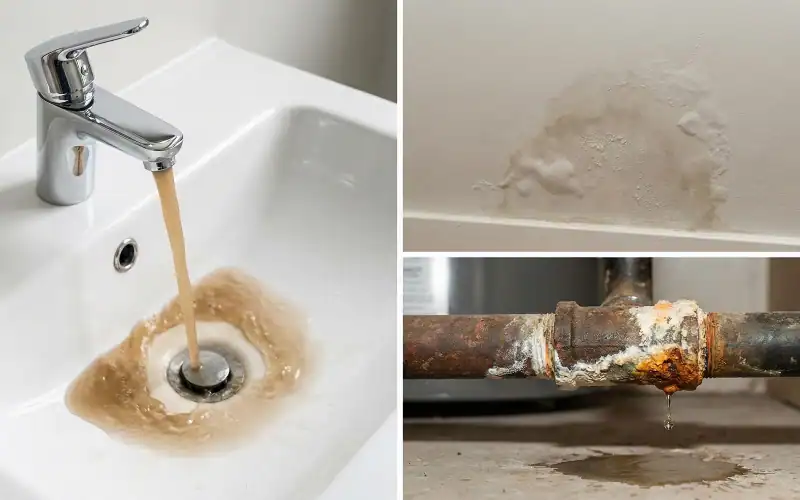
Spotting repiping needs isn’t always easy, but specific problems point to trouble beneath the surface. These issues often build slowly, and when several appear at once, it’s a clear sign it’s time to take a closer look at your plumbing.
Rusty or Discolored Water
Seeing brown water come out of your taps is one of the most significant indicators of corroded pipes. As the interior breaks down, rust and sediment wash into your water supply. Older materials like galvanized steel and lead pipes are especially prone to deterioration.
You may also notice a foul smell, especially when turning on the kitchen sink after the water hasn’t been used for a while. Running the tap might make the water look clearer, but it doesn’t fix the underlying corrosion affecting your plumbing system’s functions.
Frequent Leaks and Drips
If leaking pipes keep showing up in different areas, it points to widespread deterioration rather than isolated problems. Small leaks often create wet spots, standing water, and hidden moisture that can cause significant damage behind walls and floors.
What starts as minor dripping often becomes extensive leaks, especially during weather changes. When you’re calling plumbers often or watching new leaks appear, repiping becomes more practical than repeated repairs.
Low Water Pressure Throughout the Home
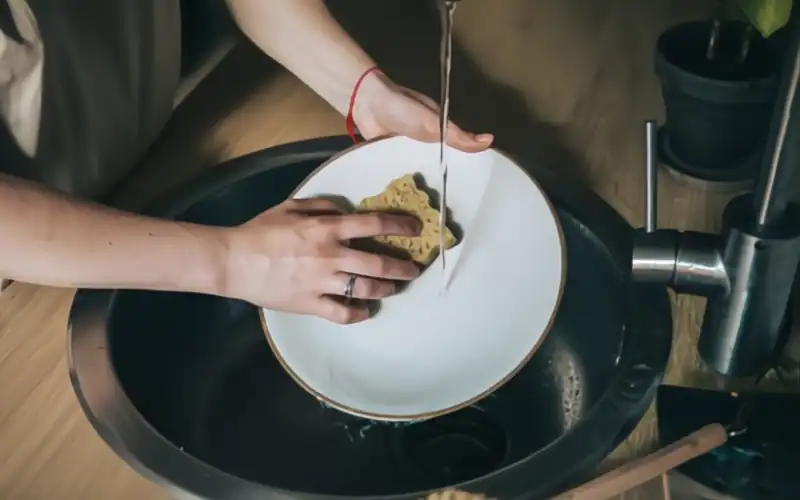
A home-wide low-pressure problem usually comes from internal buildup or severe corrosion. Minerals and rust narrow pipe openings, slowing water flow to showers, faucets, and appliances.
You might notice slow hot water, weak shower flow, or long fill times for tubs and sinks. When pressure drops across the whole house rather than a single fixture, your plumbing system can no longer move water efficiently, and repiping may be the only long-term fix.
Visible Pipe Corrosion or Damage
Exposed pipes tell a big story. Flaking metal, rust, discoloration, or pitting all point to corroded pipes that are weakening from the outside and inside. If you hear knocking or rattling, pressure changes may be stressing failing lines.
Visible deterioration is often just the tip of the iceberg. Old plumbing that looks worn on the outside almost always has internal corrosion that affects water quality and increases the risk of leaks or sewer backups.
Increase in Water Bills
A sudden jump in your water bill often means hidden leaks. Tiny cracks and pinhole leaks drip constantly behind walls or under floors, wasting water month after month. When water consumption hasn’t changed, but bills rise, water is escaping somewhere in the system.
These aren’t harmless drips. Left unaddressed, they lead to significant damage, mold growth, and structural issues. In homes with aging plumbing, repairing individual leaks becomes a temporary fix rather than a long-term solution.
Causes of Plumbing Deterioration That Lead to Repiping
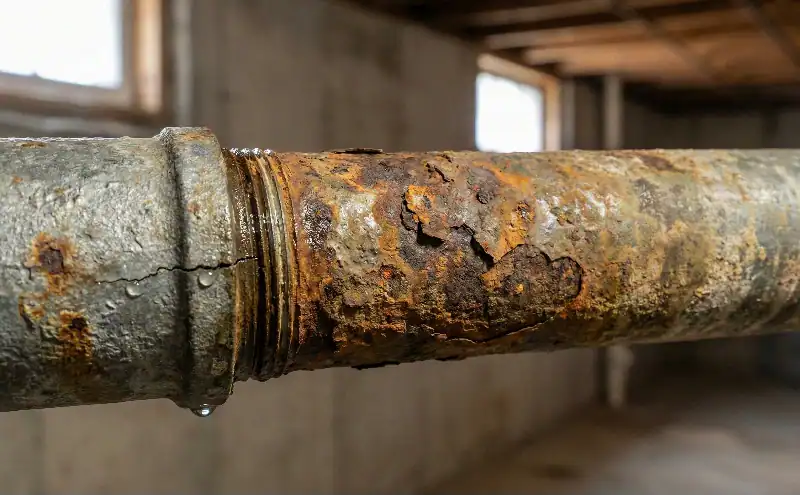
Understanding why plumbing systems fail helps homeowners make informed decisions about when to pursue repiping. Several factors contribute to the deterioration of pipes over time, and many homes experience multiple causes simultaneously.
Pipe Material Lifespan
Different plumbing materials have varying life expectancies. Galvanized steel pipes, common in homes built from the 1950s through the 1980s, typically last 40-50 years before corrosion compromises their integrity. Lead pipes, found in much older homes, should be replaced immediately due to health risks associated with lead poisoning. Polybutylene pipes, installed primarily in the 1980s and 1990s, are known for premature failure and should be replaced even if they haven’t yet leaked. Understanding your home’s plumbing material helps predict when repiping becomes necessary.
Water Quality and Chemistry
The chemical composition of your water supply significantly impacts pipe longevity. Hard water, which contains high concentrations of minerals such as calcium and magnesium, accelerates mineral buildup in pipes, reducing water flow and increasing corrosion. Acidic water can eat away at pipe interiors, while high chlorine levels in municipal water supplies contribute to the deterioration of certain pipe materials. Even with a water softener, older pipes that have already sustained damage continue to degrade.
Soil Conditions and External Factors
For underground plumbing, like your sewer line and exterior supply lines, soil composition affects pipe durability. Acidic or clay-heavy soil accelerates corrosion of metal pipes, while shifting soil can stress joints and connections, leading to cracks. Root intrusion from nearby trees can damage sewer lines, causing sewage backups and requiring extensive repairs. Temperature fluctuations, particularly freeze-thaw cycles, stress pipes, and accelerate failure in vulnerable systems.
Installation Quality and Previous Repairs
Improperly installed plumbing or poorly executed repairs create weak points in your system. If previous work didn’t meet building codes or used incompatible materials, those areas fail prematurely. Sometimes homeowners discover that original pipes were installed with inadequate support or improper slope, leading to persistent drainage issues and accelerated wear.
What to Expect During a Repiping Job
Initial Inspection and Planning
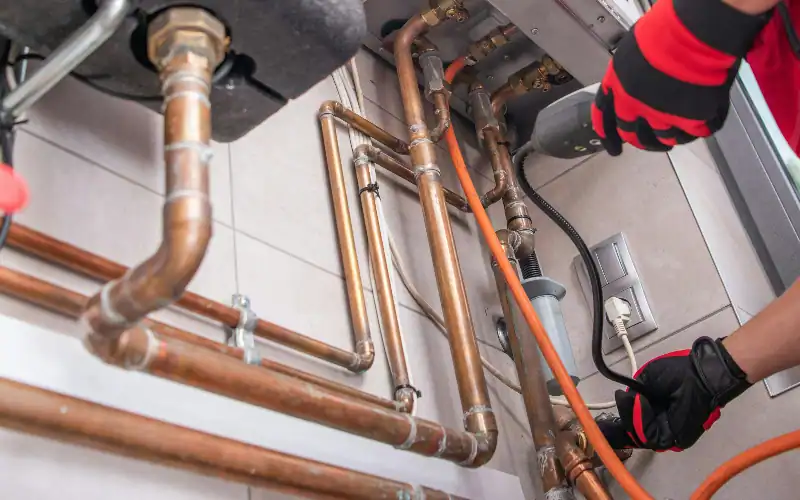
A professional plumber from an experienced team begins by thoroughly inspecting your entire plumbing system. This assessment identifies which pipes need replacement, determines the best materials for your situation, and creates a comprehensive project plan. The plumber examines exposed pipes, tests water pressure, evaluates water quality, and may use specialized equipment to inspect hidden plumbing behind walls and under floors.
Material Selection
Modern repiping typically uses copper or cross-linked polyethylene (PEX) pipes. Copper offers durability and reliability, resisting corrosion and handling high temperatures well. PEX provides flexibility, resistance to mineral buildup, and easier installation in tight spaces. Your plumbing company will recommend materials based on your home’s specific needs, local building codes, and budget considerations. These new pipes will dramatically outlast your old galvanized steel pipes or other deteriorating materials.
The Repiping Process
During repiping your home, plumbers access pipes through existing openings when possible, minimizing the need to open walls. They install new supply lines throughout your house, connecting them to your water heater, fixtures, and appliances. The work typically proceeds room by room, allowing partial water service to continue during the project. Experienced teams work efficiently to minimize disruption, often completing residential repiping in 2-5 days, depending on home size and complexity.
Inspection and Clean-up
After installation of new pipes, the system undergoes pressure testing to ensure all connections are secure and leak-free. The plumbing company coordinates any necessary building inspections to verify code compliance. Finally, they repair any opened walls, clean the work area, and restore your home to normal condition. While you might need minor cosmetic repairs like painting, a reputable plumbing company ensures your home is left in good condition.
Cost and Benefits of Repiping Your Home
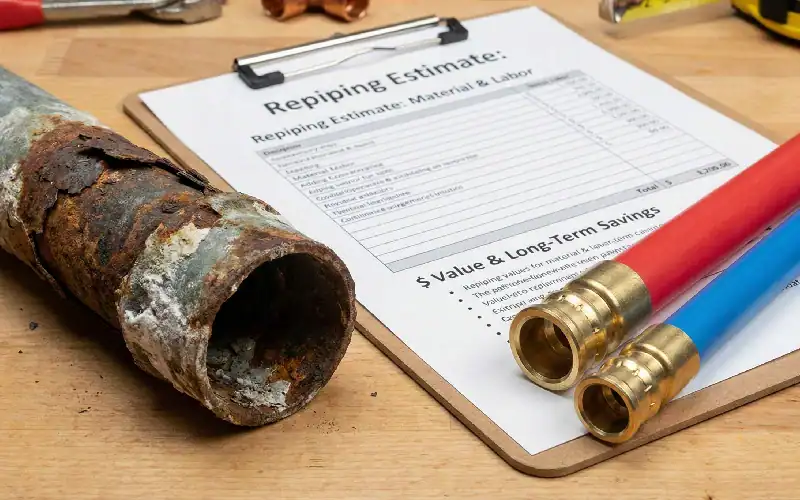
When considering whether to invest in repiping a house, understanding both the costs and long-term benefits helps you make an informed decision.
Cost Considerations
The total cost of repiping varies based on home size, pipe material selection, accessibility of existing plumbing, and local labor rates. Most homeowners can expect to invest between $4,000 and $15,000 for whole-house repiping, with larger homes or complex layouts costing more. While this represents a significant investment, it’s important to compare it against the cumulative cost of ongoing plumbing repairs, water damage restoration, increased water bills, and the stress of dealing with frequent leaks.
Immediate Benefits
New pipes provide immediate, noticeable improvements. You’ll experience better water pressure throughout your home, clearer water without rust or discoloration, and consistent hot water delivery. The constant worry about when the next leak will occur disappears, giving you peace of mind. Many homeowners report that simply knowing their plumbing system is reliable again makes the investment worthwhile.
Long-Term Value
Repiping protects your home from water damage, which can cost tens of thousands of dollars to remediate if left unaddressed. New pipes eliminate health risks associated with lead poisoning and other harmful chemicals leaching from deteriorating pipes. You’ll see lower water bills as hidden leaks are eliminated and system efficiency improves. Additionally, repiping increases home value, particularly for potential buyers who view updated plumbing as a major selling point that eliminates a big deal concern during home inspections.
Preventing Catastrophic Failures
Perhaps most importantly, repiping prevents catastrophic plumbing failures. A burst pipe can flood your home in minutes, destroying belongings, damaging structures, and creating hazardous conditions. Sewage backup from a failed sewer line creates health hazards and requires expensive cleanup. By proactively repiping before complete system failure, you avoid these emergency scenarios and the extensive repairs they necessitate.
Maintenance Tips to Extend the Life of Your New Pipes
After investing in repiping your home, proper maintenance ensures your new plumbing system provides decades of reliable service.
Regular Inspections
Schedule annual plumbing inspections with a professional plumber who can identify minor issues before they become major problems. These check-ups verify that all connections remain secure, water pressure stays consistent, and no new leaks have developed. Early detection of any issues allows for simple repairs rather than costly emergency interventions.
Water Quality Management
Consider installing a water softener if you have hard water, as this prevents mineral deposits from accumulating inside your new pipes. Even with modern materials that resist buildup better than older plumbing systems, reducing mineral content in your water extends pipe life and maintains optimal water flow. Regular testing of your tap water ensures quality remains high and identifies any changes that might indicate problems.
Protect Against Freezing
In colder climates, winterize your plumbing by insulating exposed pipes, maintaining adequate heat in your home, and allowing faucets to drip during extreme cold snaps. Frozen pipes can burst regardless of material, so prevention is essential. Pay special attention to pipes in unheated areas like basements, crawl spaces, and exterior walls.
Address Issues Promptly
Don’t ignore warning signs like unusual noises, reduced water pressure at multiple fixtures, or any evidence of moisture where it shouldn’t be. What starts as a minor issue can escalate quickly if left unattended. By addressing plumbing issues immediately, you prevent damage that could compromise your new plumbing system.
Proper Usage Practices
Avoid putting harmful chemicals down drains that could damage pipes from the inside. Don’t flush inappropriate items that might cause clogs or stress on your sewer line. Be mindful of what goes into your plumbing system, and teach household members to respect the limits of your fixtures and drains.
Take Action Before Small Problems Become Big Disasters
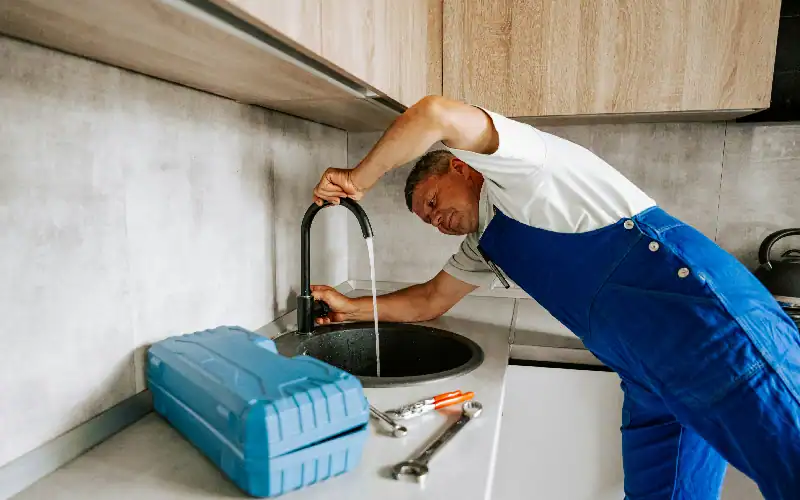
Spotting early signs that your home needs repiping helps you stay ahead of plumbing trouble. Aging pipes, corrosion, recurring leaks, low water pressure, and discolored water all point to a system that’s breaking down and needs real attention.
LeakChasers has helped homeowners across Oklahoma upgrade failing plumbing to modern, dependable systems built to last. We know repiping is a major investment, so we focus on clear pricing, skilled workmanship, and as little disruption as possible. Acting early can save you from burst pipes, major water damage, and costly repairs.
If you’ve noticed any of these warning signs, call LeakChasers at (405) 751-7777 or contact us via our site. Our team will inspect your system, answer your questions, and offer honest recommendations.