

If you’ve discovered water pooling around your central air conditioner, you’re facing one of the most common HVAC issues homeowners encounter. While a leaking AC might seem alarming, most causes are fixable with proper diagnosis. In Oklahoma City, high summer humidity can cause air conditioners to remove 5 to 20 gallons of moisture from the air daily. At Leak Chasers, we’ve helped countless Oklahoma homeowners resolve their AC leak problems quickly and affordably.
A clogged condensate drain line is the most frequent cause of AC leaks in Oklahoma.
This blog explores the common causes of air conditioner leaking water, practical solutions, and when to call professionals to protect your home from water damage and costly repairs. If your AC is leaking water, be sure to turn off the unit to prevent further damage before attempting any troubleshooting or repairs.
What are AC Leaks
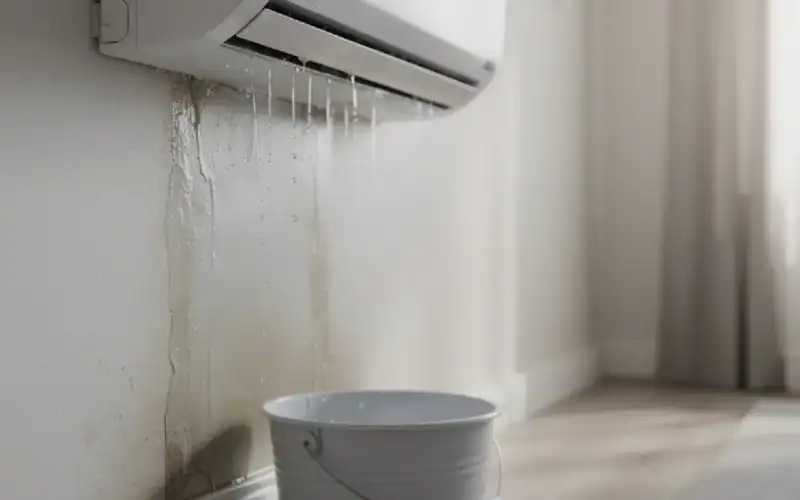
Air conditioner leaks are more than just a nuisance—they can lead to significant damage in your living spaces if not addressed quickly. When your air conditioner is leaking water, it can cause water damage to floors and walls, promote mold growth, and even create electrical hazards. Common causes of air conditioner leaks are clogged drain lines, damaged or rusted drain pans, frozen evaporator coils, and low refrigerant levels. Each of these issues can disrupt proper drainage and result in water pooling where it shouldn’t. By understanding the reasons your air conditioner leaks, you can take steps to prevent costly repairs and protect your home. Regular maintenance—like checking and replacing your air filter, inspecting the condensate drain line, and ensuring the drain pan is intact—goes a long way in keeping your air conditioning system running smoothly and your home safe from water damage.
Understanding Your Air Conditioning System
During the cooling cycle, your air conditioner removes heat and humidity from your home. The AC coils, specifically the evaporator coils, are responsible for heat transfer and moisture collection. As warm air passes over cold evaporator coils, moisture collects on the coils and drips into a condensate pan. This excessive condensation is normal and collects in a drain pan beneath the coils. The condensate pan then directs the water into a PVC condensate drain line that carries it outside your home. Dirty evaporator coils can impair this process, causing freezing and leaks. High humidity levels or low refrigerant can cause your AC system to produce more condensation than it can drain, leading to leaks.
When this drainage system malfunctions, your AC is leaking water where it shouldn’t—onto floors, walls, or ceilings.
5 Common Reasons Your AC Is Leaking Water
1. Clogged Condensate Drain Line
The most frequent cause of air conditioner leaks is a clogged condensate drain line. The condensate pan directs water into a PVC condensate drain line that carries it outside, often terminating at a floor drain. Algae, mold, and debris can block the line over time. If the condensate drain line becomes clogged, water will back up and overflow from the drain pan.
DIY Fix: Turn off your AC unit at the breaker. Locate the PVC pipe, then use a wet/dry vacuum on the outdoor end of the drain line to suction blockages. Minor clogs near the end of the drain line can often be cleared with simple tools like a wet/dry vac or a plumber’s snake, but deeper or more stubborn clogs may require professional help and the use of compressed air. Pour a cup of vinegar down the line to kill algae and flush out debris. Always check the floor drain for blockages as well. If the outdoor drain line is not dripping while the AC runs, it is likely clogged. For persistent issues, call Leak Chasers for professional cleaning.
2. Dirty Air Filter
A dirty air filter restricts airflow over evaporator coils, causing them to freeze. Poor airflow is a common cause of frozen evaporator coils. When the ice melts, excess water can overwhelm your drain pan, causing water to leak inside your home. Dirty filters also increase energy costs and system wear.
DIY Fix: Check your air filter monthly. Inspect the air filter for visible dirt or blockage—if light cannot pass through it, replace it immediately. If it appears gray or clogged, replace filters immediately. Change filters every 30-90 days to prevent frozen evaporator coil issues and maintain proper airflow. If you find a dirty filter, restricted airflow, or frozen coils, allow the system to thaw completely before continuing troubleshooting.
3. Frozen Evaporator Coils
Frozen evaporator coils result from restricted airflow, low refrigerant levels, running your AC in cold weather, or dirty evaporator coils. When evaporator coils become covered in dust and grime, heat transfer is impaired, which can cause the coils to freeze and eventually lead to water leaks as the ice thaws and exceeds your condensate pan capacity.
Signs include: Ice on refrigerant lines, reduced cold air output, and warm air from vents.
Solution: Turn off your AC system and let the ice thaw completely. Replace dirty air filters and ensure vents are unobstructed. Regularly cleaning dirty evaporator coils can help prevent freezing and leaks. If freezing recurs, you likely have low refrigerant, requiring a qualified HVAC technician to repair the refrigerant leak and add more refrigerant. If the AC continues to leak after clearing the drain and changing the filter, low refrigerant may be suspected. For persistent leaks, hissing sounds may indicate a refrigerant leak, and it is advisable to contact a licensed professional.
4. Damaged or Rusted Drain Pan
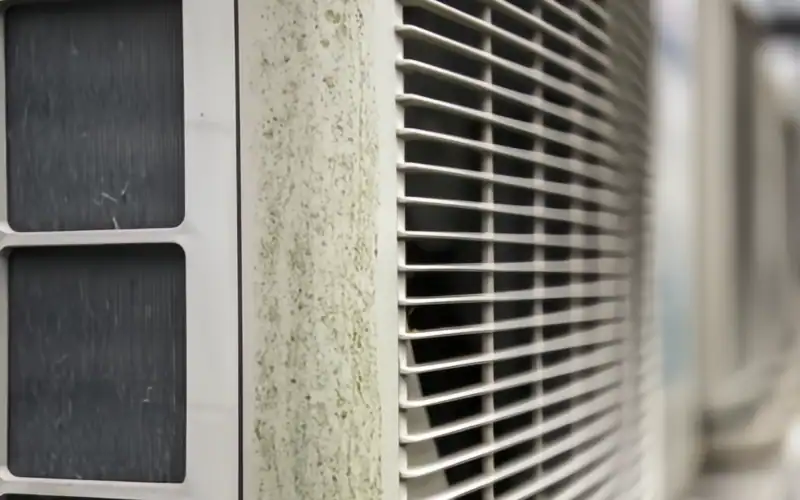
Over time, your drain pan can develop cracks, holes, or rust, allowing water to escape. A damaged drain pan or rusted drain pan won’t hold water effectively, causing water leakage even with a clear drain line.
Solution: Inspect the condensate drain pan for visible damage. Small cracks can be temporarily sealed, but replacement is the permanent fix. Leak Chasers can quickly replace your damaged drain line or pan, ensuring proper drainage.
5. Broken Condensate Pump
Basement or low-level AC units use a condensate pump to move water upward. When this pump fails, water backs up and overflows.
Signs include: Gurgling sounds, continuous pump operation without water movement, and water buildup around the unit.
Solution: Check power connections and clean the intake screen. If problems persist, the pump motor needs to be replaced—a job best handled by professionals.
Refrigerant Level Issues
Low refrigerant levels are a frequent cause of air conditioner leaks that many homeowners overlook. When your air conditioner is low on refrigerant, the evaporator coil can become too cold and freeze over. As the system cycles off and the ice melts, excess water can overflow the drain pan, leading to water leakage. Additionally, a refrigerant leak forces your air conditioner to work harder, which can result in excessive condensation and water buildup around the unit. If you notice water pooling near your AC or suspect a refrigerant leak, it’s important to call a qualified HVAC technician. They can check refrigerant levels, repair any leaks, and ensure your condensate drain line is clear. Addressing refrigerant issues promptly helps prevent water damage, costly repairs, and keeps your air conditioning system operating efficiently.
Float Switch Issues
The float switch is a small but vital component in your air conditioning system, designed to prevent water overflow. It monitors the water level in the condensate pan and automatically shuts off the air conditioner if the water rises too high. If the float switch malfunctions or becomes stuck, your air conditioner may continue to run even as the condensate pan overflows, resulting in water leakage and potential damage. Regularly inspecting the float switch and ensuring it’s working properly can help prevent air conditioner leaks. If you suspect a faulty float switch, a qualified HVAC technician can diagnose the issue and replace the switch if needed, ensuring your system operates safely and efficiently.
Diagnosing the Problem
Pinpointing the source of an air conditioner leak starts with a careful inspection of your system. Begin by checking the area around your air conditioner for signs of water and examining the drain pan for cracks or rust. Inspect the condensate drain line for blockages or damage, and make sure the air filter is clean to maintain proper airflow over the evaporator coils. It’s also important to check refrigerant levels, as low refrigerant can cause frozen coils and subsequent leaks. If you’re unable to identify the cause or if the problem persists, a qualified HVAC technician can use specialized tools to diagnose the issue and recommend the right repairs. Regular inspections and maintenance are key to preventing air conditioner leaks and keeping your cooling system running at its best.
Quick DIY Fixes for AC Water Leaks

Before calling for help, try these steps:
- Turn off your AC at the thermostat and breaker to eliminate electrical hazards
- Clear the drain pan of standing water using towels or a wet/dry vacuum
- Replace the air filter if dirty or clogged
- Clear the condensate drain line using a wet/dry vacuum and vinegar flush
- Verify proper unit level using a carpenter’s level
- Ensure proper airflow by opening all vents and removing obstructions
- Monitor the system for several hours after restarting
When to Call a Professional
Certain situations require expert help:
- Refrigerant leak or low refrigerant levels (ice, warm air, hissing sounds)
- Persistent leaking after DIY attempts
- Frozen evaporator coils that refreeze
- Electrical components showing water damage
- Broken condensate pump replacement
- Improper installation requiring repositioning
These investments prevent significant damage, including water damage, mold growth, and structural issues, costing thousands.
Prevent Future AC Leaks
Monthly: Check and replace filters, inspect the drain pan, pour vinegar down the drain line
Seasonally: Clean around your outdoor unit, inspect refrigerant lines, and test thermostat accuracy
Annually: Schedule professional maintenance, including cleaning ac coils (especially dirty evaporator coils), drain system inspection, refrigerant level checks, and electrical components testing
Why Choose Leak Chasers
Leak Chasers, plumbing specialists, bring unique expertise to AC leak problems. We understand proper drainage and have professional tools, including compressed air, to clear deep or stubborn clogs in condensate drain lines and address complex clog issues.
Our advantages:
- Fast, same-day service throughout Oklahoma
- Licensed professionals experienced in plumbing and HVAC drainage
- Detail-oriented approach identifying root causes
- Transparent, competitive pricing
- 24/7 emergency availability
We serve Oklahoma City, Edmond, Yukon, Bethany, The Village, Warr Acres, and Nichols Hills.
Get Your AC Back to Normal Today

Most AC water leaks stem from a clogged condensate drain line or a dirty air filter—problems you can often fix yourself. Regular maintenance prevents water leaks before they cause significant damage to your home.
When DIY solutions don’t work, or you face complex issues like refrigerant leaks or frozen evaporator coils, Leak Chasers is ready to help with fast, reliable service.
Don’t let a leaking AC unit compromise your comfort or cause water damage. Contact Leak Chasers today at (405) 751-7777 for same-day service. Our experienced team will quickly and affordably restore your air conditioning system.