

Are your aging pipes causing problems, like poor water flow or frequent clogs in your drain lines? It may be time to consider repiping your entire home. But what’s the best material for repiping? With so many piping material options out there, it’s smart to get advice from a professional plumber like Leak Chasers. We’ll help you build a more efficient plumbing system, from start to finish.
Why You Might Need to Repipe
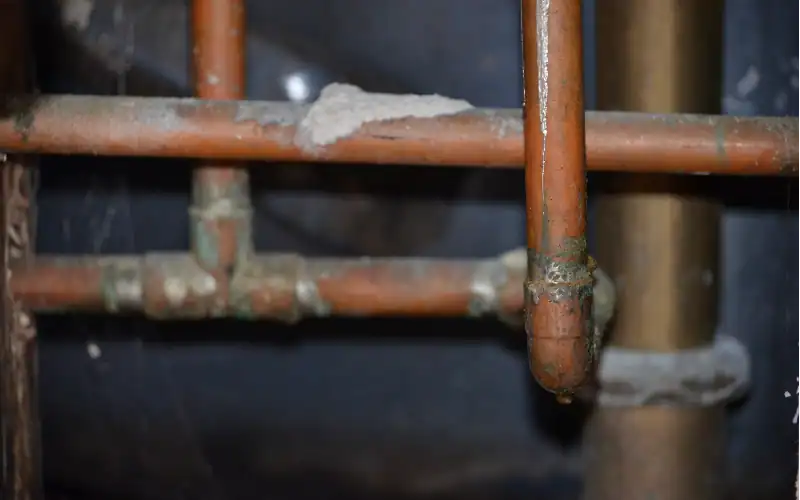
Repiping usually happens because something’s gone seriously wrong, or is about to.
Here in Oklahoma City, we see it a lot with older homes. Pipes that were installed decades ago have put in their time, and now they’re rusting, leaking, or flat-out falling apart. Over the years, mineral deposits can build up inside aging pipes, leading to reduced water pressure, rusty water, and even pinhole leaks that quietly damage your plumbing without you noticing right away. If you’re dealing with constant leaks, low water pressure, strange water color, or funky smells coming from your tap, your pipes might need to be replaced.
Another big reason? Slab leaks. When water lines run underneath the concrete foundation of your home (which is common here), leaks can happen below the surface where you can’t see them. As time passes, they can crack your slab, warp your floors, and seriously compromise your home’s structure. At Leak Chasers, we find the leak, stop it, and often recommend whole-house repiping if the damage is widespread or if the pipes are clearly on their last leg.
What Is Repiping?
Repiping involves replacing all the old pipes in your home, usually with modern materials that are more resistant to corrosion and better at preventing future leaks. And while it might sound like a big job, it’s often the most cost-effective solution in the long run. With professional assistance, you can prevent leaks before they cause major damage and feel secure knowing your plumbing is built to last.
3 Main Repiping Options: PVC, Copper, and PEX
These are the three most common, widely accepted pipe types homeowners consider when they’re doing a full repiping job. We’ll walk you through each one, what it’s made of, what it’s good for, and what kind of headaches it might bring.
1. PVC Pipes (Polyvinyl Chloride) or CPVC (Chlorinated Polyvinyl Chloride)

You’ve probably heard of PVC before. It’s that white plastic pipe that’s commonly used in plumbing. But regular PVC is not used for water you drink or bathe in. That’s what CPVC pipes are for. CPVC stands for chlorinated polyvinyl chloride, and it’s made to handle hot water and drinking water safely.
Pros of CPVC:
- Affordable, material costs are very low.
- Doesn’t rust. Great if you have hard water, which we do in Oklahoma.
- Easy installation, no soldering.
What to watch out for:
- Brittle with age. As time passes, CPVC can crack, especially if it’s exposed to a lot of heat or sunlight.
- Not great with freezing. In cold spaces (like uninsulated attics or exterior walls), CPVC can crack if water inside freezes.
- Lots of joints. It’s rigid, so it needs a lot of elbows and connectors to get around corners, which means more places it can leak.
Is it a good fit for OKC homes?
Sometimes. It works for interior water lines if everything stays protected and you want something quick and affordable. But for slab leaks or full-home repiping where flexibility matters, it’s not usually the top pick.
2. Copper Pipes
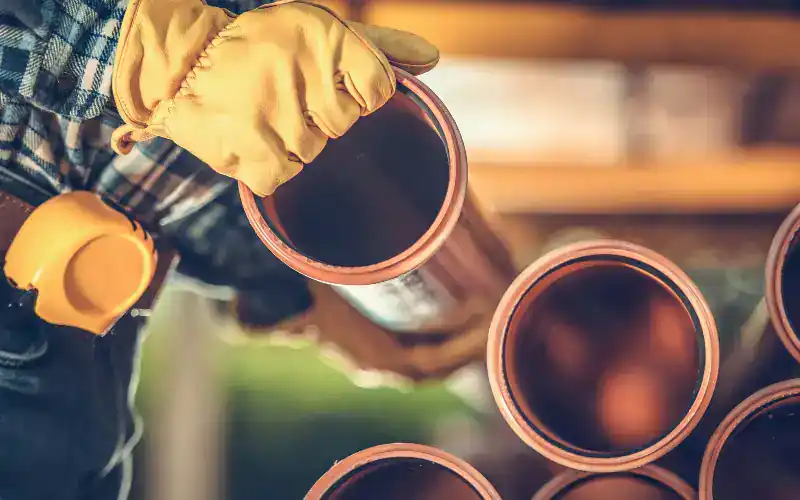
Copper pipes have been considered the gold standard for quite some time. Walk into a house built in the ’60s or ’70s and odds are, you’ll find copper running through the walls. It’s reliable, long-lasting, and doesn’t melt under pressure.
Pros of Copper:
- Extremely durable. We’re talking 50–100 years when installed right.
- Doesn’t melt in a fire, can withstand high temperatures and freezing temperatures, making it suitable for carrying both hot and cold water.
- Safe. No plastics, no glues, no worries about chemicals leaching into your water.
- UV-resistant. You can run it outside or in the attic without worrying about the sun breaking it down.
Cons of Copper:
- Expensive. It’s the priciest material on this list, and the labor is more involved.
- Can corrode. If you’ve got hard water or acidic well water, copper might not hold up as long without a water treatment system.
- Rigid. Just like CPVC, it needs a lot of fittings to get around corners.
Is it a good fit for OKC homes?
If you want something that’ll last a lifetime and you’re okay with spending more to get it, copper’s still a rock-solid choice. Just be mindful of your water quality. Some folks need a softener to keep their copper pipes happy. And the install will take longer, with more demo work and patching afterward.
3. PEX Piping or Cross-Linked Polyethylene

PEX tubing or piping (cross-linked polyethylene) is basically flexible tubing. It bends, curves, and weaves its way through walls, floors, and tight spaces, all while using fewer joints. It’s become the go-to for repiping in new homes, remodels, and slab leak reroutes.
Why homeowners love PEX:
- Flexible. It snakes around corners and through tight spots.
- Fast to install. Less labor, meaning lower costs.
- Resists scale and corrosion. Perfect for hard Oklahoma water.
- Handles freezing better. It won’t burst as easily if water freezes inside.
The downsides:
- Sunlight is a no-go. UV rays break it down, so it needs to stay hidden inside or underground.
- Rodents can chew through it.
- Some old fittings were junk. But modern PEX uses better materials now (look for red brass fittings instead of the older yellow kind).
What about lifespan?
Depending on who you ask, PEX lasts anywhere from 30 to 80 years. If installed correctly and protected from sunlight, you’re looking at decades of solid performance.
Is it a good fit for OKC homes?
Absolutely. Leak Chasers uses PEX all the time for slab leak reroutes and full-home repipes. It handles temperature swings, hard water, and attic runs well. Just make sure it’s installed by someone who knows what they’re doing, such as our trained plumbers.
Other Pipe Materials You Might Still See (or Need to Replace)
PVC, copper, and PEX are the big players today, but they’re not the only pipes out there. Depending on the age of your home, your plumber might run into other materials that were popular decades ago but are now outdated, unreliable, or even unsafe.
While they may have been considered a cost-effective solution at the time, these old pipes often drive up labor costs during repairs or repiping projects because they don’t work with modern plumbing systems. If you’ve got these in your home’s plumbing system, it might be time to talk about replacing them.
Galvanized Steel or Galvanized Pipes
If your house was built before 1960, there’s a chance you’ve got galvanized pipes in your walls. These were made from steel coated in zinc, but that zinc layer wears out over time, leading to rust, corrosion issues, clogs, and low water pressure.
So if you still have galvanized steel pipes, it’s best to upgrade to modern materials.
Polybutylene
Polybutylene pipes were a thing in the ’80s and ’90s, but they were not that great. They break down over time, especially when exposed to chlorine. If your house still has these, rip them out and replace them as soon as you can.
Cast Iron
Usually used for sewer lines, not water supply. If your drains are backed up constantly, this might be part of the problem. It’s tough, but it corrodes inside and can encounter problems fast.
Ready for Some New Pipes? Leak Chasers Is the Crew to Call!
If you’re thinking about swapping out those old, worn-out lines, choosing between different materials like PVC, copper, or PEX is just one piece of the puzzle. A successful repiping project isn’t just about the pipes themselves—it’s also about the installation process, minimizing disruption to your daily life, and making sure your new plumbing system is built to last.
At Leak Chasers, our professional repipe specialists know how to handle everything from evaluating your existing pipes to recommending high-quality materials that match your home’s needs and budget. So if you’re dealing with frequent leaks, outdated plumbing fixtures, or just want to avoid costly repairs down the line, we’re here to make the whole repiping experience smooth, efficient, and stress-free.
We’ll walk you through your repiping cost options, explain the pros and cons of each material, and make sure your home ends up with a system that works perfectly now and for years to come. Give us a call to get started!