

If your water bill keeps climbing or your shower pressure feels like a polite drizzle, it could be your pipes—not your water habits. Aging pipes and corroded pipes don’t just affect water flow; they can spike your energy costs, compromise water quality, and put extra strain on your entire system.
At Leak Chasers, we help Oklahoma homeowners tackle these issues head-on with energy-efficient repiping solutions that reduce waste, ultimately lowering monthly bills and improving home comfort. Our services address leaks that disrupt daily routines and contribute to higher energy use, water waste, and potential health concerns.
Related Article: 5 Signs Your Home Needs Repiping: Don’t Ignore These Red Flags!
What Is Energy-Efficient Repiping?
Repiping isn’t just for homes with catastrophic plumbing failures—it’s one of the smartest investments you can make in your home’s long-term health. Energy-efficient repiping focuses on replacing worn, outdated plumbing with new systems designed to improve performance while saving energy.
Whether you’re dealing with temperature fluctuations, uneven pressure, or discolored water, repiping brings your plumbing up to modern standards—resulting in fewer issues and a more energy-conscious home.
A Smarter Solution for Aging Systems
Repiping is the process of replacing deteriorating pipes in your home’s plumbing system with new pipes designed to conserve energy and improve performance. That includes materials like cross-linked polyethylene (PEX) and copper, both of which resist corrosion and reduce heat loss.
Why Old Pipes Fall Short
As pipes age, they become more prone to clogs, mineral buildup, and causing leaks. Even small issues can disrupt daily routines, leading to higher energy usage, water wastage, and eventually, costly repairs.
Signs You May Need Repiping
Many plumbing systems show subtle signs before a major breakdown. Ignoring them can lead to more severe damage and increased repair expenses over time.
Whether your pipes are hidden behind drywall or exposed in a crawl space, they’re not immune to time. Even small changes in your plumbing’s behavior could be the first indication of a larger issue.
Look Out for These Warning Signs
- Persistent leaks around faucets, pipes, or ceilings
- Unusual noises or pressure changes while washing machines or showers run
- Discolored water coming from taps
- Unpleasant smells or taste in your water supply
- Moldy spots or mold growth near plumbing areas
- Low water pressure during peak usage times
Any of these could be a clear sign that your system is overdue for a major update.
Hidden Costs of Outdated Materials
Your plumbing might be out of sight, but it’s never out of impact. Homes with outdated plumbing can face compounding problems that sneak up over time. Pipes made from polybutylene or galvanized steel may still be functioning—but at a cost.
The Real Cost of Old Pipes
Outdated materials often lead to:
- High water and energy usage
- Risk of water contamination
- Frequent and costly repairs
- Ongoing frequent repairs to patch temporary issues
- Health risks from slow leaks and moisture exposure
Aging pipes often burden your water heater too, forcing it to work harder and burn through more energy just to maintain basic performance.
Benefits of Energy Efficient Repiping
Energy-efficient repiping is more than a plumbing upgrade—it’s a system-wide improvement with real results. From better performance to fewer breakdowns, homeowners consistently see savings in both money and stress.
Improve Energy Efficiency and Save
New, insulated piping helps deliver hot water faster, reducing the energy required to heat it. The result? You’re saving energy with every shower, load of laundry, and dish cycle.
Reduce Your Bills
An efficient system lowers water and energy costs, helping you achieve meaningful energy savings and lower utility bills throughout the year.
Better Pressure, Cleaner Water
Consistent water pressure means fewer surprises during showers and better performance from appliances like washing dishes or filling bathtubs. Plus, pipes eliminate the buildup and blockages that often lead to cloudy, discolored water.
Modern Materials Matter
The materials used during repiping play a major role in your system’s lifespan and efficiency. Today’s technology offers flexible, durable options that adapt to your home’s layout and water demands.
Why Cross-Linked Polyethylene and Copper Lead the Way
The repiping materials you choose make all the difference. Cross-linked polyethylene (PEX) offers excellent durability and heat resistance, while copper provides long-term value and antimicrobial benefits.
Both materials work well in homes or commercial buildings, giving you a flexible and sustainable plumbing solution.
Repiping Can Increase Property Value
Energy-efficient upgrades don’t just benefit you now—they make your home more attractive to buyers down the road.
Upgraded plumbing tells future buyers they won’t have to worry about recurring plumbing issues, outdated materials, or emergency pipe bursts. That adds real, tangible value to your home.
Repiping in Commercial Buildings
For business owners, the stakes are even higher. Damaged pipes in office buildings, restaurants, or rental properties can lead to downtime, compliance issues, and dissatisfied tenants.
Benefits of Commercial Repiping
Repiping helps you:
- Cut down on unnecessary water usage
- Improve hygiene by reducing risk of water contamination
- Maintain a reliable plumbing system for employees and tenants
- Present a clean, modern image to inspectors, partners, and clients
The Repiping Process: What to Expect
Worried repiping will tear apart your walls and your schedule? Don’t be. At Leak Chasers, we make the process smooth, efficient, and well-communicated from day one.
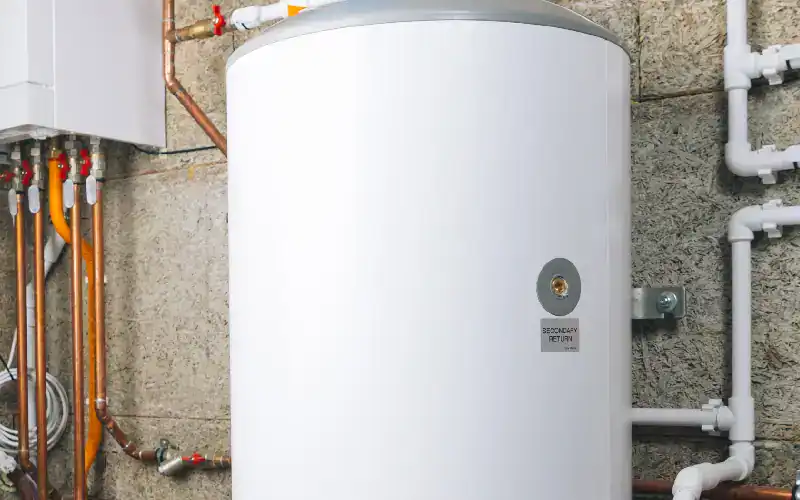
Our team follows a proven workflow that reduces stress while improving outcomes. Here’s how it works:
Step 1: Initial Evaluation
We begin with a thorough inspection of your existing plumbing. This includes pressure testing, checking for corrosion, and evaluating material type to determine whether you’re at risk of frequent repairs or hidden leaks.
Step 2: Custom Strategy
Every home is different. We create a repiping plan tailored to your home’s size, current system, and your long-term goals. We’ll help you choose between copper, PEX, and other options—explaining the pros and cons of each.
Step 3: Repipe Installation
During the repipe installation, our crew will work quickly and safely, using high-quality materials while striving to minimize disruption to your daily life. We seal off work zones, protect your property, and complete each phase with precision.
Step 4: Final Inspection
After all work is done, we perform a thorough final inspection to ensure the new system works as expected. This includes water pressure checks, temperature regulation, and system flow—all critical steps in a successful repiping project.
DIY or Call a Professional Plumber?
Thinking about repiping your home on your own? While DIY projects can be rewarding for certain fixes, repiping isn’t one of them. Swapping out a faucet is one thing—but replacing an entire network of pipes requires technical knowledge, permits, planning, and the right tools. It’s not just about connecting pieces—it’s about safeguarding your home’s structure and water supply.
Why Professional Help Pays Off
A full repiping job is a major undertaking that involves navigating walls, ceilings, and sometimes even foundations. A professional plumber has the experience to handle the entire installation process—from shutting off the water to pressure testing the final system—without costly delays or mistakes.
Professionals also know how to spot and address complications like brittle drywall, rusted connections, or hidden polybutylene pipes—an outdated material known for its high failure rate. Catching these problems early can prevent future repairs, hidden water leaks, or expensive damage down the road.
While DIY attempts might seem cheaper upfront, they often lead to associated costs like water damage, failed inspections, or the need to hire someone later to fix what went wrong. In the end, trusting a licensed expert helps you avoid blown budgets and blown gaskets—and gives you a properly installed system that won’t drive up your energy bills or fail unexpectedly.
Is Repiping a Significant Investment?
Yes—and it’s worth it. While repiping does require an upfront spend, it delivers long-term savings in maintenance, energy efficiency, and daily performance.
Think of it this way: would you rather pay for ongoing patches and emergencies or invest once and enjoy decades of strong, quiet, clean plumbing?
Why Homeowners Choose Leak Chasers
Here’s why Oklahoma homeowners trust us for their repiping project:
- We use only high-quality materials that last
- We prioritize conservation and reducing energy costs
- Our team works quickly, cleanly, and efficiently
- We explain your options clearly—no pressure, just honest guidance
You don’t just get new pipes—you get confidence, comfort, and peace of mind that your home is built for the future.
Take the First Step Toward Energy Efficient Repiping
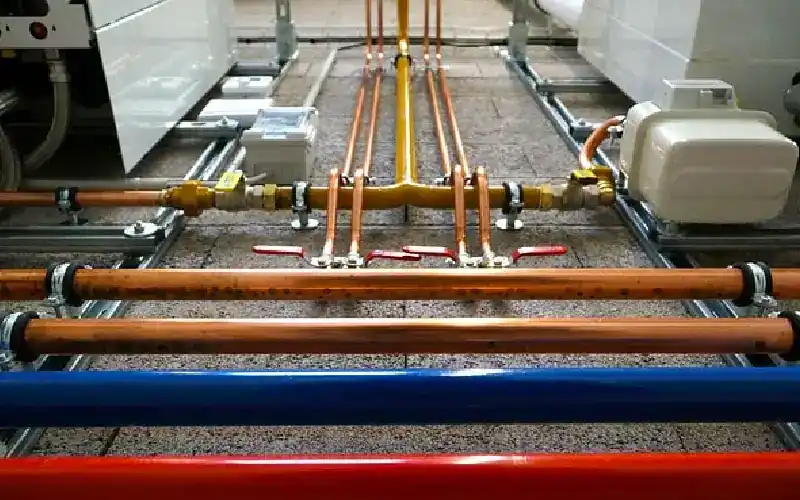
If you’re tired of dealing with frequent leaks, unreliable pressure, or water quality issues, now’s the time to act. Repiping is more than a repair—it’s an investment in your comfort, home’s energy efficiency, and daily functionality.
Contact Leak Chasers today to schedule your inspection. Let’s build a smarter, stronger, energy-efficient plumbing system—one that keeps your water flowing, your bills down, and your home in peak condition.