

Plumbing problems are something most homeowners dread. Most of the time, it’s because people associate repiping with things like torn-up walls, high costs, and weeks of inconvenience. However, these are just some of the most common repiping myths out there, and Leak Chasers is here to debunk them one by one!
Repiping Myth #1: You Don’t Need to Repipe Unless You Have a Big Leak
Many people think that repiping is only necessary when they’re dealing with serious damage already, like a pipe bursting in the middle of the night. But here’s the thing—your pipes could be quickly deteriorating for years before any visible leaks even show up.
Related Article: The Benefits of Repiping an Older Home
Outdated pipes can lead to all sorts of hidden problems: poor water quality, low water pressure, or even tiny leaks that go unnoticed but increase your water bill. If your home still has galvanized steel or polybutylene pipes (both common in older homes), it might be time to think about repiping, even if everything seems fine on the surface.
Repiping Myth #2: Only Galvanized Steel Pipes Need Replacing
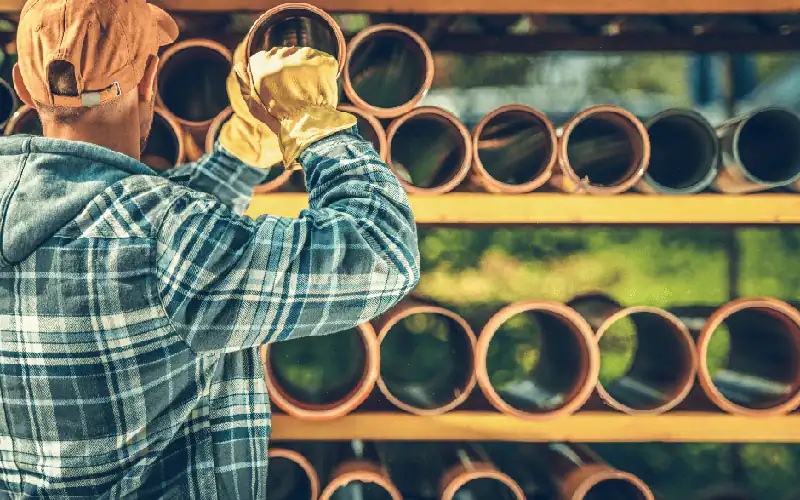
Galvanized steel pipes are notorious for corroding and clogging over time, but they’re not the only type of piping material to do so. Polybutylene pipes, popular from the ’70s to the ’90s, are a ticking time bomb. They were considered cutting-edge back then, but now we know they degrade when exposed to chlorine, which is in your municipal water supply. Even certain older plastic pipes can crack, leak, or become brittle.
There are many popular choices like copper piping and PEX piping, but if you aren’t sure which types of pipes would work best for you, it’s worth calling in a professional like Leak Chasers to take a look.
Repiping Myth #3: Repiping Will Destroy Your Home
A few years ago, repiping did involve tearing out walls and making a huge mess in the house. But now, the process is much more refined. Professionals use precise techniques to access your plumbing without too much disruption. At Leak Chasers, we use small access points and patch them up neatly when we’re done. We always make sure that our process is efficient and clean without causing unnecessary inconveniences.
Repiping Myth #4: Repiping Takes a Long Time
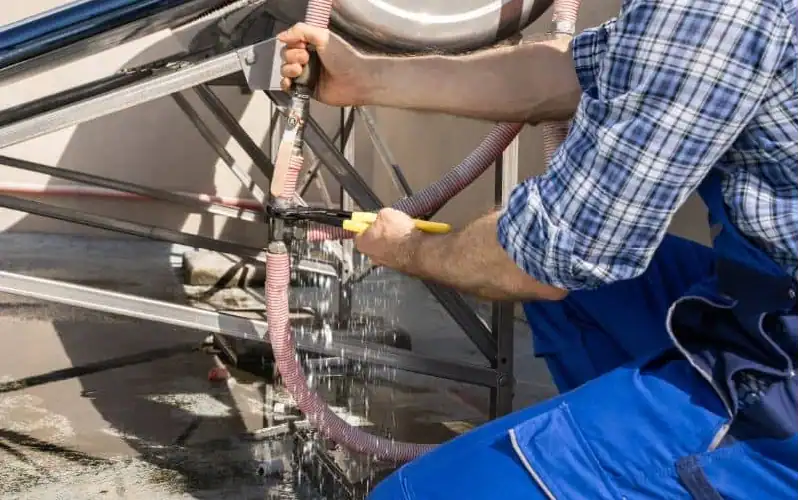
Another common misconception is that repiping takes forever. In reality, repiping doesn’t take nearly as long as people think. Most repiping projects are done in just a few days depending on the size of your home and the specifics of your plumbing system. It’s also worth noting that when you work with experienced professionals, the process is even quicker and more streamlined, with excellent results.
Repiping Myth #5: Any Plumber Can Handle Repiping
A general plumber might be great for fixing minor clogs in your garbage disposal or repairing a leaky faucet, but repiping an entire home? That requires another level of expertise.
Repiping involves detailed planning, knowledge of building codes, and experience with various materials. An improperly executed job can lead to costly mistakes that will require expensive repairs later on. That’s why it’s important to work with a company like Leak Chasers, where repiping is a core service.
Repiping Myth #6: Repiping Is Too Expensive
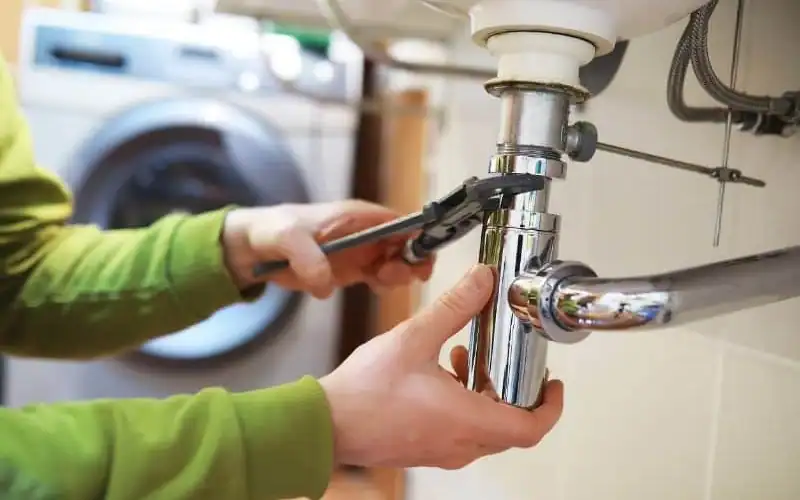
It’s easy to hear the word “repiping” and assume it’s going to cost a fortune. But here’s the thing—while repiping is an investment upfront, it can actually save you money in the long run. Outdated pipes are more likely to leak, clog, or even burst, leading to expensive water damage or repair bills that won’t be easy on your wallet. So, while it might seem more practical to simply pour hot water down the sink and hope it solves your piping problems, the real cost-effective, lasting solution is to get a repiping when you need it, as soon as possible.
Additionally, modern piping materials like PEX piping or copper piping are built to last for decades, so it’s best to think of repiping as a long-term upgrade for your home. The benefits? You’ll get better water flow and improved water quality, and who doesn’t want that?
Repiping Myth #7: New Homes Don’t Need Repiping
The popularity of this myth can be compared to the plumbing myth that ice cubes can sharpen the blades of your garbage disposal (truth: no, they don’t). Even homes built in the 2000s aren’t immune to plumbing problems. This is because some builders cut corners by using lower-quality materials to save money. If your home has plastic pipes or other subpar materials, you could end up with problems much sooner than you think.
A professional inspection can give you a clearer picture of your home’s plumbing health. If there’s nothing wrong, then there’s nothing to worry about. But if there are weak points, it’s better to address them now rather than waiting for something to go wrong.
Repiping Myth #8: Repiping Will Fix Low Water Pressure Instantly
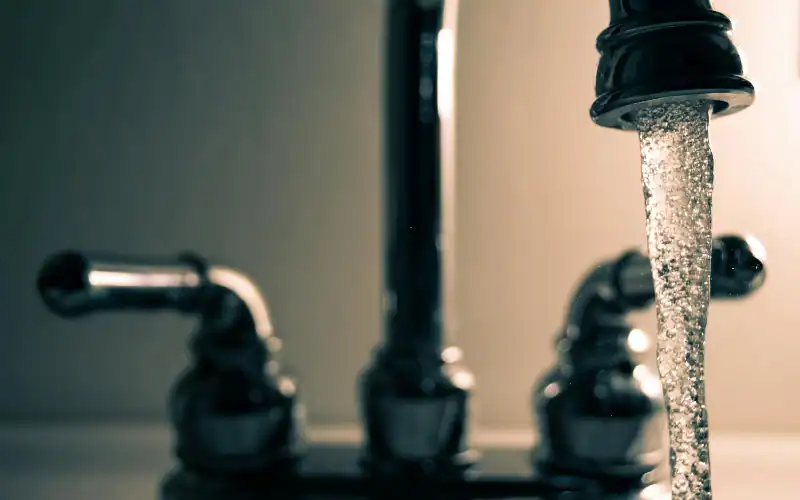
It’s true that replacing old, corroded pipes can improve water flow. But water pressure issues aren’t always caused by your pipes. Sometimes, the problem lies with your local water supply, clogs in your system (e.g., you have a habit of flushing down “flushable” wipes rather than toilet paper), or your home’s plumbing layout.
If you’re dealing with low water pressure, a professional plumber can figure out what’s really going on. Repiping might be part of the solution, but it’s not a magic fix for every water pressure problem.
Repiping Myth #9: It’s Okay to Put Off Repiping
You hear strange noises from your pipes, decide that it’s time to have them checked, life gets busy, and then you end up postponing repiping. The cycle repeats, and now you’re left with a piping situation much worse than it was in the beginning, to the point that it slowly affects the quality of your drinking water.
Ignoring aging or deteriorating pipes can lead to serious consequences such as hidden leaks, water damage, and even mold growth. And let’s not forget the inconvenience of dealing with a plumbing emergency. In the worst cases, you could wake up to a flooded kitchen or a collapsed ceiling because of a burst pipe.
Repiping Myth #10: Repiping Can Be Done by Non-Professionals
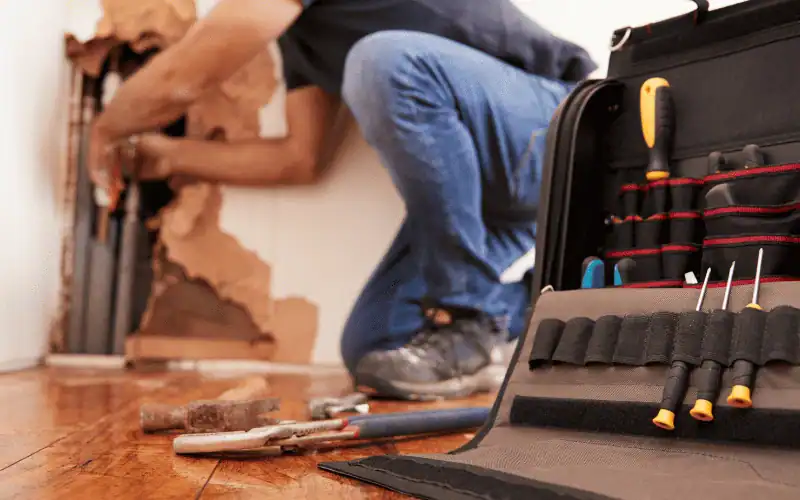
Repiping is definitely not a DIY project. Aside from the actual act of replacing pipes, you also have to be knowledgeable about water pressure, pipe sizing, local building codes, harsh chemicals to avoid, and more. One wrong move could lead to leaks, water damage, or even fines for code violations.
That’s why you should leave repiping to the professionals. It’s definitely worth it to have the job done right. At Leak Chasers, we’ve seen a lot of DIY projects go wrong, and fixing those can be a lot more expensive than hiring a professional in the first place.
Contact Leak Chasers for Reliable Repiping and Slab Leak Repair in Oklahoma City
Now that we’ve set the record straight about the common myths regarding repiping, here’s another truth you should know: you should look for only the best plumbing company to handle big jobs in your home, and no one beats Leak Chasers in that area!
Visit our website or click here to contact our team today to get a free estimate!