

Your home’s foundation is the last thing you want to mess with. It’s literally what everything else rests on. But when you have sneaky plumbing issues like water drain leaks creeping beneath your floors, that sturdy foundation could be in danger. Leaking water is a key warning sign; ongoing water leakage can cause higher water bills, decreased water pressure, and even potential flooding or foundation damage beneath the slab. These leaks might seem harmless at first; just a small puddle, a faint musty smell, or a higher water bill, but over time, they can lead to serious structural damage and expensive foundation repairs.
At Leak Chasers, we’ve seen firsthand how something as simple as a small leaky pipe or a water leak under the foundation can snowball into major headaches. So let’s talk about how water drain leaks can affect your home’s foundation, what warning signs to watch out for, and how the right slab leak repair process can stop the damage before it spreads.
The Connection Between Water Drain Leaks and Your Foundation
Most homeowners don’t think much about their plumbing system once it’s installed. Water flows in, water flows out; what’s to worry about, right? But your plumbing lines run through or under your concrete slab, meaning a single leak can directly impact the soil that supports your home. Concrete slabs are a common construction method and are especially prevalent in modern homes.
When water leaks under a slab foundation, it saturates the soil, causing it to expand and shift. Slab foundations are particularly susceptible to damage from leaks beneath them, as this soil movement can create foundation cracks and weaken structural integrity. If the leak continues, your foundation can settle unevenly, leading to doors that don’t close properly, warped floors, and even visible wall cracks.
In short, a leak doesn’t just waste water—it threatens your home’s stability.
What Happens When a Slab Leak Occurs

Slab leaks happen when a water pipe running beneath your concrete foundation begins to leak. These leaks often occur in the water lines that supply your home. This can occur for several reasons, including corrosion, poor installation, high water pressure, or even shifting soil.
When a slab leak occurs, it often goes unnoticed because it’s hidden under layers of concrete. Over time, however, you may start seeing warning signs like warm spots on the floor, damp carpet, mold growth, or a sudden spike in your water bills. These clues are your foundation’s way of saying, “Hey, something’s not right down here!”
The tricky part? Detecting slab leaks isn’t easy without the right equipment. That’s where professional leak detection comes in handy. At Leak Chasers, we use specialized tools like infrared cameras and air pressure tests to locate the exact location of the leak without unnecessary digging. These methods help us identify localized leaks, allowing for targeted repairs and minimizing disruption to your property.
Causes of Slab Leaks
Slab leaks don’t just happen out of nowhere—they’re usually the result of several underlying factors working together. One of the most common causes is soil movement beneath your home. As the soil expands and contracts due to temperature changes or moisture fluctuations, it can put significant pressure on your water pipes. Over time, this constant shifting can lead to cracks or breaks in the plumbing system, especially if the pipes are already vulnerable.
Corrosion is another major culprit, particularly in older homes with copper or galvanized pipes. If your water is especially acidic or alkaline, or if the soil around your foundation is corrosive, your pipes can deteriorate much faster. This gradual wear and tear weakens the pipes, making slab leaks more likely.
Improper installation is also a frequent cause of slab leaks. Pipes that are bent, dented, or kinked during installation can develop weak spots, which may eventually give way under the stress of daily water flow and soil expansion. Even the best plumbing materials can fail if they’re not installed correctly.
In short, slab leaks are often the result of a combination of soil expansion, temperature changes, corrosion, and installation issues—all of which can compromise the integrity of your plumbing system over time.
How Water Drain Leaks Put Your Home at Risk
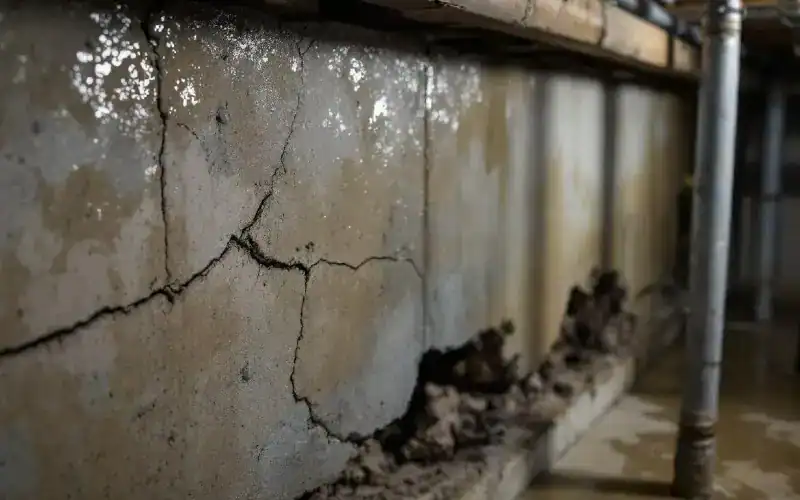
Let’s be real—no one likes the idea of water leaking under their house. It’s unsettling. But beyond the gross factor, water drain leaks can lead to real, measurable damage:
- Soil Expansion and Contraction: As water seeps into the soil, it expands. When it dries out, it contracts. This constant movement puts immense pressure on your foundation. Other materials, such as surrounding concrete and soil, can also impact the durability of pipes and contribute to leaks.
- Foundation Cracks: Over time, the concrete slab begins to crack under stress, leading to further water intrusion.
- Mold Growth and Moisture Problems: Excess moisture invites mold growth, especially in crawl spaces or under flooring.
- Pipe Splitting and Corrosion: Older copper pipes or cast iron pipes are especially vulnerable to corrosion, leading to new leaks.
- Increased Repair Costs: The longer you wait, the more extensive and expensive the repair work becomes.
Ignoring a small leak can mean paying for both plumbing repairs and foundation repair later—a double whammy no homeowner wants.
Spotting the Early Warning Signs
The good news? Your home gives you plenty of clues when something’s wrong. Catching a potential slab leak early can make a huge difference. Look out for these common signs:
- Warm or damp spots on your floor
- A sudden increase in your water bills
- Cracks in walls or flooring
- Mold or mildew odors
- Decreased water pressure
- Wet spots around your foundation
If you notice any of these issues, it’s time to call in professionals like Leak Chasers to perform a thorough slab leak detection test and ensure timely slab leak repairs to prevent further damage.
Inside the Slab Leak Repair Process
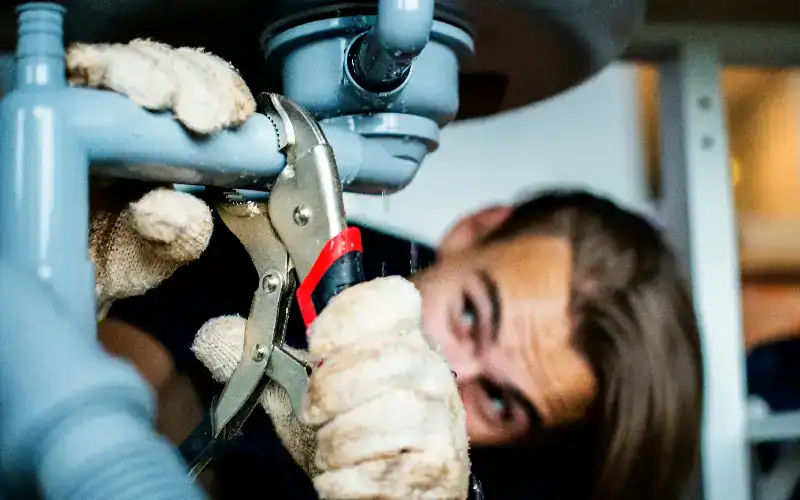
Fixing a slab leak might sound intimidating, but the slab leak repair process has come a long way. Gone are the days of tearing up your entire floor to find a single damaged pipe. Nowadays, plumbers have multiple repair methods depending on the severity and location of the leak. To fix a slab leak, professionals may use traditional techniques like breaking through the slab or modern trenchless methods such as epoxy pipe lining and pipe bursting.
Here’s what typically happens:
Leak Detection
Using thermal imaging, air pressure tests, and visual inspection, the technician finds the leak’s exact location.
Accessing the Leak
Depending on the situation, this may involve spot repair (opening a small section of the slab) or using less invasive options. An invasive method usually means breaking through the concrete slab to reach the damaged pipe directly, which can be noisy and disruptive.
Repair Options
- Epoxy Pipe Lining: This method involves coating the inside of old pipes with a corrosion-resistant epoxy layer. The method involves inserting a flexible liner into the existing pipe, which is then cured in place to restore the pipe’s integrity.
- Pipe Rerouting: If multiple leaks are found, rerouting new plumbing lines may be the best solution.
- Re-Piping: For older homes with corroded pipes, replacing entire sections with new materials like plastic pipes or copper may be necessary. This may involve removing the old pipe and installing a new pipe to ensure a durable and long-lasting repair.
Testing and Cleanup
After repairs, the plumber performs a pressure test to confirm that the leak has been successfully fixed.
These repair options are effective for addressing slab leaks while minimizing disruption to your home.
Choosing the Right Repair Option
When it comes to slab leak repair, there’s no one-size-fits-all solution. The best repair method depends on several factors, including the exact location and severity of the leak, the type of plumbing system in your home, and the materials used in your pipes. For many homeowners, trenchless repair options like epoxy pipe lining are a game-changer. This method involves sealing the leak from the inside, offering minimal disruption to your home and often lower repair costs.
However, not every situation is suited for pipe lining. If your pipes are extensively corroded or if there are multiple leaks, re-piping or re-routing may be necessary. These methods involve replacing damaged sections or installing new plumbing lines, which can be more invasive but provide a long-term fix.
Consulting with a professional plumber or foundation repair specialist is essential. They’ll assess your unique situation and recommend the most effective repair method, whether that’s epoxy pipe lining for a quick, non-invasive fix or a more comprehensive approach like re-piping to ensure your plumbing system is protected for years to come.
Why DIY Isn’t Always the Smart Move
We get it, there’s a lot of satisfaction in fixing things yourself. But when it comes to your foundation and underground plumbing lines, DIY methods can do more harm than good. You might temporarily stop a leak, but without addressing the root cause, you risk further leaks or even serious structural damage later.
Professional slab leak detection uses tools and techniques that just aren’t available at your local hardware store. Plus, trained plumbers can interpret subtle signs and pressure changes that most homeowners would overlook. Calling Leak Chasers isn’t just a smart move; it’s a long-term investment in your home’s stability.
How to Prevent Future Leaks
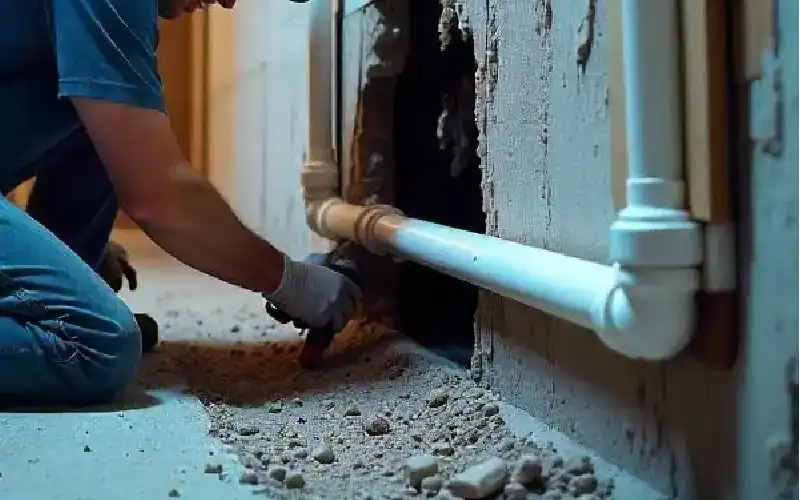
Preventive maintenance is your best friend when it comes to avoiding foundation damage. Taking a few hours each year to perform regular maintenance can save you from costly water problems later. Here are some expert tips to keep your plumbing system in good shape and prevent extensive damage:
- Schedule annual inspections to check for corrosion or isolated leaks before they spread.
- Monitor water pressure regularly. High pressure can put unnecessary strain on pipes and fittings.
- Keep an eye out for hidden leaks—they often start small but can cause major foundation issues if ignored.
- Watch for temperature changes that may cause pipes to expand or contract.
- Use corrosion-resistant materials during repairs or renovations to reduce the risk of complex repairs later.
- Address even minor leaks quickly before they worsen.
- Make sure your yard’s grading directs water away from your foundation to prevent long-term saturation.
By following these steps, you’ll protect your home’s plumbing system and extend its lifespan, reducing the need for emergency fixes and preserving your foundation throughout the entire process of homeownership.
What Makes Leak Chasers Different
At Leak Chasers, we’re not just about fixing leaks—we’re about providing solutions that last. Our experienced team combines advanced technology with years of expertise to locate leaks early, minimize disruption, and prevent extensive damage before it happens. Whether you’re dealing with a hidden leak, a slab issue, or complex repairs, we handle each case with precision and care.
Every home is unique, which is why we tailor our repair approach to your specific plumbing system and foundation type. From epoxy pipe lining to full re-piping, we make the entire process as smooth as possible. When you trust Leak Chasers, you’re choosing experts who treat your home like their own—restoring safety, stability, and comfort with results that last for years.
Don’t Wait Until It’s Too Late
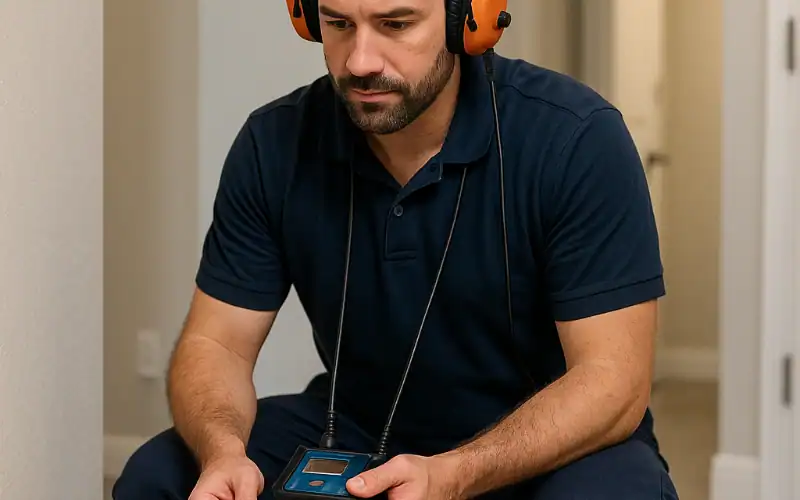
Water damage doesn’t happen overnight, but once it starts, it accelerates quickly. A small leak today could mean serious structural damage tomorrow. Early detection and professional repair are the keys to protecting your home’s foundation and avoiding skyrocketing repair costs later.
If you’ve noticed unusually high water bills, damp floors, or any of the warning signs mentioned above, it’s time to take action. Your home deserves better than temporary fixes.
Call Leak Chasers Before the Leaks Chase You
When it comes to your home’s foundation, you can’t afford to take chances. At Leak Chasers, we specialize in slab leak repair, leak detection, and all types of plumbing services that protect your home from further damage.
Our skilled professionals work quickly and efficiently to locate leaks, repair the problem, and restore your home’s foundation integrity, all with minimal disruption. So don’t wait until a small drip becomes a disaster.
Contact Leak Chasers today, and let’s stop those leaks in their tracks before they cause lasting damage.