Water leaks are one of those things every homeowner fears. They start as a small drip under the sink or a slight leak in the bathroom wall and can quickly turn into a major headache, causing damage to your house. At Leak Chasers, we know that dealing with plumbing issues can be stressful, but it doesn’t have to be. With a few simple maintenance tips, you can avoid water drain leaks, protect your house from costly repairs, keep your plumbing system in good shape, and save yourself from unexpected water damage.
Why Water Drain Leaks Happen
Before we talk about preventing leaks, it’s important to understand why they happen. Your plumbing system is a combination of various pipes, drains, traps, and fixtures all working together to move water and waste efficiently. Over time, even high-quality plumbing components like PVC pipe, cast iron, and copper can wear out.
Air plays a crucial role in your plumbing system—traps and venting systems use air to create a seal that prevents sewer gases from entering your home and helps stop leaks by maintaining proper drainage flow.
Some common causes of water leaks include:
- Minor leaks at connections or joints in the drain line.
- Partial clogs that increase water pressure and cause a pipe to break or drip.
- Old plumbing fixtures that have lost their watertight seal.
- Corrosion or rust, particularly in lead or cast iron pipes.
- Improper installation of sinks, tubs, toilets, or P-traps.
Even a slight leak can cause more harm than you might think. Leaks behind drywall or under the floor can lead to water damage, foul odors, and even sewer gas infiltration into your home.
Simple Ways to Maintain Your Plumbing System
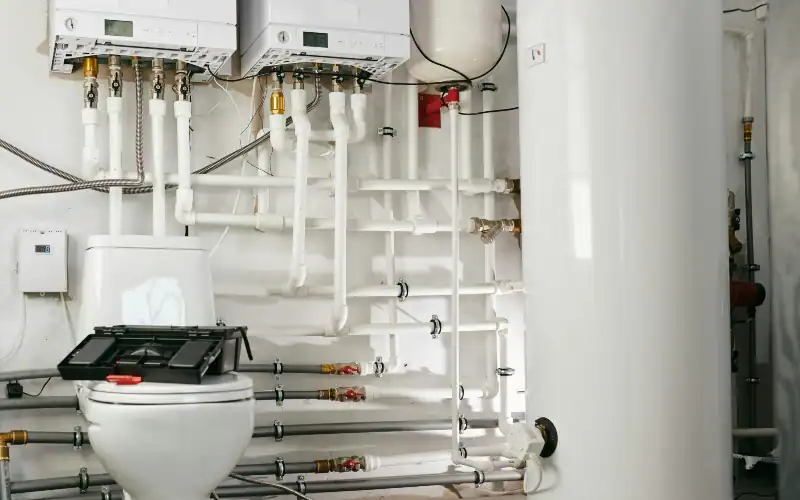
The good news is that avoiding water drain leaks doesn’t require you to become a professional plumber overnight. Regular maintenance and a bit of attention go a long way. Plumbing systems include pipes and fittings of various sizes, so maintenance should always account for these differences. Here are some essential tips to keep your drains, pipes, and plumbing fixtures working smoothly:
1. Inspect Pipes and Fixtures Regularly
Take a little time every month to inspect the pipes under your sinks, behind your toilets, and near your tubs. Use a paper towel to check for moisture or drips around the P-trap, drain pipe connections, and other visible plumbing. If you notice any water coming from a joint, it’s an actual leak, even if it’s small.
Pay special attention to areas where the drain line meets the wall or floor, and to the area around the access panel, if you have one. Also, check the other side of walls or cabinets adjacent to plumbing for signs of hidden leaks. Early detection of small leaks prevents them from becoming water-damage disasters.
2. Keep Drains Clear and Unclogged
Clogged drains are a major contributor to water drainage leaks. A partial clog increases pressure in the drain pipe, which can cause a leaking pipe or broken joint. Here are some easy ways to prevent clogs:
- Use a drain snake to remove buildup from the drain line.
- Avoid putting waste like coffee grounds, hair, or grease down the sink or garbage disposal.
- Flush the toilet and tub with hot water regularly to prevent buildup.
- Consider PVC pipe or cast iron fittings that are easier to maintain and less prone to corrosion.
It’s also important to inspect for a block in the drain line, as a block can cause pressure buildup and lead to leaks.
3. Maintain the Garbage Disposal
Your garbage disposal might seem like a small player in the plumbing system, but it can be a source of leaks if not maintained. Always run running water while using the disposal, and periodically flush it with hot water and mild detergent. Avoid grinding hard materials that could break the line or trap, and check the seal around the disposal where it connects to the sink.
4. Pay Attention to Water Pressure
High water pressure can stress your pipes and plumbing fixtures, leading to leaks over time. Check your home’s water pressure and keep it within a safe range. If you notice a drip or leakage appearing around a faucet or P-trap, it might be a sign that pressure is too high.
[Image Placeholder: Homeowner checking water pressure gauge]
5. Fix Small Leaks Immediately
Even slight leaks can lead to serious problems if ignored. A small leak can saturate drywall or flooring, attract mold, and even weaken structural components. Don’t wait for a partial clog to turn into a major issue. If you see water coming from a hole in a pipe or a drip under a sink, it’s time to repair it.
- PVC pipes can often be replaced in two pieces with a new seal.
- Copper or lead pipes may require a professional plumber for replacement.
- Tighten plumbing fixtures or apply sealant for a temporary fix until professional help arrives.
[Image Placeholder: Small leak repaired with PVC pipe replacement]
6. Check the P-Trap and Other Traps
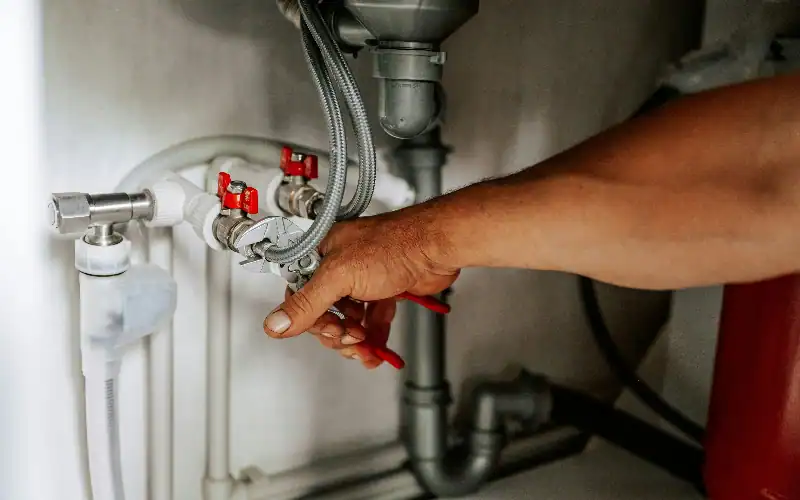
The P-trap is designed to keep sewer gases out of your home, but it can become a hidden source of leaks. Make sure the P-trap is free of clogs, corrosion, or cracks. Even a slight leak here can produce foul odors and water pooling under the sink or tub.
7. Know Your Plumbing Materials
Different materials require different care. Here’s a quick guide:
- PVC pipe: Lightweight, durable, and easy to repair or replace. Watch for cracks near joints. Modern repair techniques can reinforce damaged PVC pipes from the inside using structural filling or liners, such as cured-in-place pipe (CIPP) lining, which restores pipe integrity without excavation.
- Cast iron: Heavy and durable, but prone to rust over time. Inspect for small leaks around connections.
- Copper: Long-lasting and resistant to corrosion, but joints may leak if the seal fails.
- Lead: Old homes may still have lead pipes. Replacement is recommended due to health risks.
8. Use an Access Panel When Available
If you have access panels behind your walls or under floors, make the most of them. These panels let you inspect drain pipes and plumbing fixtures without removing drywall or flooring. Access panels also make it easier to insert tools or materials for repairs or clearing blockages. Regular maintenance through these panels can help detect water leaks before they escalate.
9. Don’t Ignore Signs of Water Leaks
Sometimes leaks aren’t visible. Watch out for:
- Foul odors near drains
- Warped or wet floor or wall panels
- Mold or mildew under sinks or around tubs
- Water coming from plumbing fixtures when not in use
These signs may indicate small leaks or partial clogs that can worsen if not addressed.
10. When to Call a Professional Plumber
Even with the best care, some plumbing issues require professional attention. Call a professional plumber if you encounter:
- Leaking pipe behind walls or floors
- Persistent blockages despite using a drain snake—a plumber may need to pull a drain snake or even a section of pipe to resolve stubborn leaks or blockages
- Overflow issues with your toilet, tub, or sink
- Water pressure problems that cannot be adjusted
- Signs of water damage that could affect your home’s structure
At Leak Chasers, our team is ready to tackle any plumbing issue, big or small. From unclogging drains to repairing an actual leak, we provide fast, reliable service so you can avoid the headaches of water damage.
Hot Water Systems: Special Considerations

Hot water systems are a vital part of your home’s plumbing system, but they require special attention to prevent leaks and keep everything running smoothly. Regular maintenance of your hot water heater is essential—make it a habit to check the temperature and pressure relief valve to ensure it’s working properly. This simple step can help prevent leaks caused by excess pressure in the system.
It’s also important to inspect the drain pipe and drain line connected to your hot water heater for any signs of corrosion, blockages, or damage. Over time, even durable PVC pipe and fittings can develop cracks or wear, leading to water leaks that may go unnoticed until they cause water damage. Look for any moisture or rust around the connections, and don’t ignore even a slight leak.
If you’re unsure about the condition of your hot water system, a professional plumber can provide a thorough inspection and perform any necessary repairs. Regular maintenance by a professional helps prevent leaks, keeps your plumbing system efficient, and extends the life of your hot water heater. Remember, staying proactive with your hot water system is essential for avoiding unexpected plumbing issues and costly repairs.
Landscaping and Drainage: Protecting Your Home’s Foundation
Your home’s landscaping and drainage aren’t just about curb appeal—they play a crucial role in protecting your foundation from water damage and plumbing issues. Tree roots, for example, can invade underground plumbing lines, causing blockages and water leaks that are difficult to detect until they become serious problems. To prevent this, always plant trees and large shrubs a safe distance away from your home’s plumbing system and water lines.
Regularly inspect your yard for signs of poor drainage, such as standing water or soggy patches, which can indicate that water isn’t flowing away from your foundation as it should. Installing a French drain or other drainage solutions can help direct water away from your home, reducing the risk of leaks and water damage.
Don’t forget that regular maintenance of your plumbing system is just as important outdoors as it is indoors. Unclogging drains, checking for slight leaks, and ensuring your drainage systems are clear can help prevent costly repairs down the line. If you’re unsure about the best drainage solutions for your property, a professional landscaper or plumber can help design and install a system tailored to your home’s needs. Protecting your foundation starts with good drainage and vigilant plumbing care.
Unusual Water Coming from Pipes: What to Watch For
If you ever notice water coming from pipes in unexpected places, it’s a sign that something isn’t right with your plumbing system. Unusual water, especially if accompanied by foul odors or discoloration, can point to a hidden leak, a partial clog, or even a break in your drain pipe or drain line.
Be alert for slow drainage, gurgling sounds, or water pooling where it shouldn’t be—these are all signs that a partial clog or blockage may be causing water to back up or leak out. Regular maintenance, such as unclogging drains and inspecting pipes for corrosion or damage, can help you catch these issues early.
If you’re unsure about the source of the problem, don’t hesitate to call a professional plumber. They can inspect your plumbing system, identify the cause of the unusual water, and recommend the best solution. Staying proactive with regular maintenance and being aware of the warning signs is essential for preventing more serious plumbing issues and water damage in your home.
Avoiding Water Drain Leaks
Now that we’ve covered the basics, let’s focus on avoiding water drain leaks, the key to a happy, dry home.
- Perform regular maintenance on all plumbing fixtures, including sinks, tubs, toilets, and garbage disposals.
- Keep drains free of clogs using a drain snake, hot water flushes, and proper waste disposal.
- Check P-traps, drain pipes, and traps for leaks regularly.
- Tighten connections and apply sealant to create a watertight seal.
- Inspect walls and floors for water coming through drywall or flooring.
- Replace old pipes or plumbing fixtures before they fail.
Following these tips helps you detect small leaks before they cause water damage and costly repairs.
Preventive Habits for Every Homeowner

Avoiding water drain leaks isn’t just about fixing what’s broken. Developing preventive habits makes a huge difference. Here are some easy ones to add to your routine:
- Don’t pour grease, coffee grounds, or fibrous waste into the sink.
- Run hot water down drains regularly to keep PVC pipes or cast-iron lines flowing.
- Use strainers in sinks and tubs to catch debris before it reaches the drain line.
- Check plumbing system components seasonally, including traps, P-traps, and garbage disposal seals.
- Keep access panels clear for easy inspection.
These simple habits reduce the risk of clogs, blockages, and drips, keeping your home safe and dry.
Tools Every Homeowner Should Have
Some basic tools can help prevent water leaks:
- Paper towel for detecting moisture
- Drain snake for unclogging drains
- Senbalant for temporary fixes
- Wrench to tighten plumbing fixtures
- Hot water for flushing partial clogs
Even if you call a professional plumber, having these tools on hand makes your home safer and easier to maintain.
Year-Round Maintenance Checklist
Keeping your plumbing system in top shape requires attention year-round. A year-round maintenance checklist can help you stay organized and prevent unexpected plumbing issues. Here are some essential tasks to include:
- Inspect all plumbing fixtures for leaks or signs of wear.
- Check your PVC pipe and fittings for cracks, corrosion, or damage.
- Test your water pressure to ensure it’s within a safe range.
- Unclog drains regularly using a drain snake or other tools to keep water flowing smoothly.
- Maintain your garbage disposal by running hot water and checking the seal.
- Look for any signs of water damage, such as wet spots or discoloration around pipes and fixtures.
- Schedule regular maintenance with a professional plumber to inspect your plumbing system and address any potential problems.
By following this checklist and staying proactive, you can prevent leaks, maintain your plumbing system, and avoid costly water damage. Remember, regular maintenance is essential for a healthy, efficient home.
The Cost of Ignoring Small Leaks
Ignoring small leaks can lead to more than just a wet floor. Over time, these leaks can:
- Causes water damage to floors, walls, and ceilings
- Lead to foul odors from trapped water or sewer gases
- Compromised the plumbing system, requiring more extensive repair
- Increase water pressure issues that stress other parts of your plumbing fixtures
- Result in mold growth that’s expensive and tricky to remove
A slight leak today could become a major repair tomorrow, making preventive maintenance essential.
Restoring Water Damage After a Leak
When a leak leads to water damage, acting quickly is essential to prevent further problems. The first step is to turn off the water supply and contact a professional plumber to assess and repair the source of the leak. They’ll inspect your plumbing system, identify any damaged plumbing fixtures or pipes, and recommend the necessary repairs.
Once the leak is fixed, it’s important to address any water-damaged areas, such as drywall, flooring, or cabinetry. A professional restoration service can help dry out wet areas, repair or replace damaged materials, and ensure your home is safe from mold and structural issues.
Regular maintenance, including unclogging drains and checking for leaks, can help you avoid water damage in the first place. If you notice signs of water damage—like warping, wet spots, or musty odors—don’t wait to take action. A professional plumber can guide you through the restoration process and help you maintain a healthy, leak-free plumbing system. Staying vigilant and addressing issues promptly is essential for protecting your home from further damage.
When DIY Is Enough and When to Call the Pros

Some issues are manageable for homeowners, like clearing partial clogs or tightening a loose P-trap. Other issues, like leaking pipes inside walls, broken cast-iron lines, or water damage affecting the floor and drywall, need a professional plumber.
At Leak Chasers, we can step in for:
- Fixing actual leaks that homeowners can’t reach
- Replacing PVC pipe, copper, or cast iron lines
- Repairing plumbing fixtures that are leaking
- Addressing blockages or clogs that won’t budge with a snake
We handle everything so you can relax knowing your home is protected.
Final Tips for Avoiding Water Drain Leaks

Here’s a quick recap of essential tips:
- Inspect your plumbing system regularly.
- Keep drains clear and unclog any partial clogs.
- Check P-traps and plumbing fixtures for slight leaks.
- Maintain garbage disposal and sink seals.
- Watch for foul odors, water coming through walls, or signs of dripping.
- Don’t ignore small leaks; they can lead to more water damage.
- Contact a professional plumber when needed.
Remember, avoiding water drain leaks doesn’t have to be stressful. With regular maintenance, a few simple tools, and a bit of attention, you can keep your home dry, safe, and worry-free. If a leak does pop up or you want a professional inspection, the team at Leak Chasers is ready to help. We provide fast, friendly, and reliable service to protect your home and plumbing system.