

Most homeowners don’t think about what’s happening underneath their feet. Floors look fine, walls seem solid, and everything feels normal. But hidden below the surface of your home, a slab leak can quietly cause serious damage over time. At Leak Chasers, we’ve seen firsthand how a small water leak beneath a concrete slab can slowly turn into a major foundation problem if left unchecked.
Slab leaks don’t usually announce themselves loudly. They sneak in through subtle warning signs, rising water bills, or mysterious damp spots on the floor. Understanding how slab leaks happen and how they affect your home’s foundation can help you act early and avoid costly repairs down the road.
What Is a Slab Leak?
A slab leak occurs when a leaking pipe develops beneath your home’s concrete slab foundation. These pipes are part of your home’s plumbing system and carry water to and from sinks, toilets, tubs, and other water sources. When one of these water pipes cracks, corrodes, or shifts, water escaping beneath the slab has nowhere to go.
Instead of draining safely, the water seeps into the surrounding soil, slowly affecting the slab foundation and the concrete foundation that supports your entire house.
Why Slab Leaks Are So Dangerous
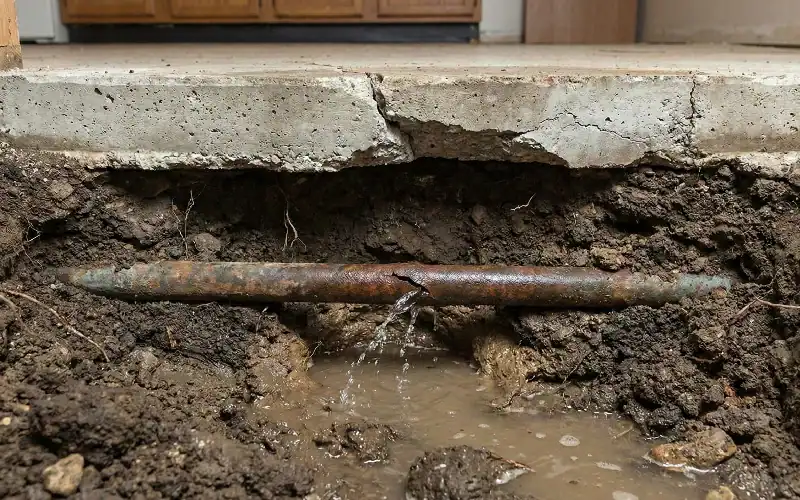
Slab leaks are especially risky because they are hidden. You can’t see the damaged pipe or the water flowing beneath your slab. By the time symptoms show up, the leak may have been active for weeks or even months.
Here’s why slab leaks cause serious damage:
- Constant water pressure weakens the surrounding soil
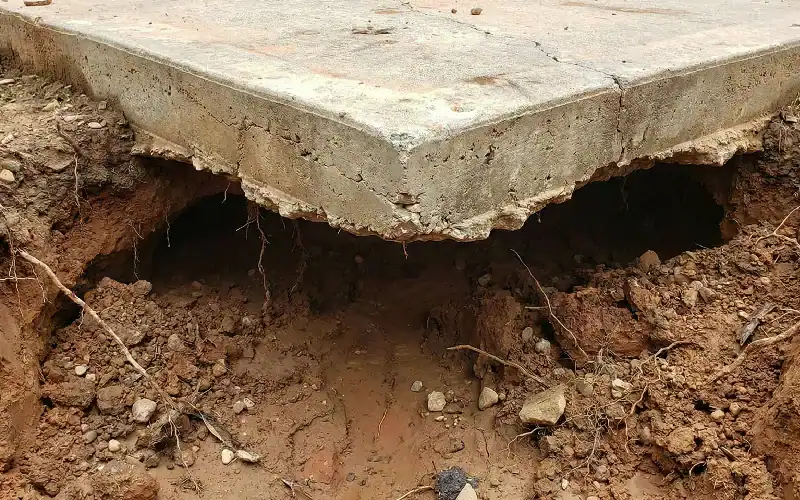
- Soil erosion washes away the support beneath the concrete slab
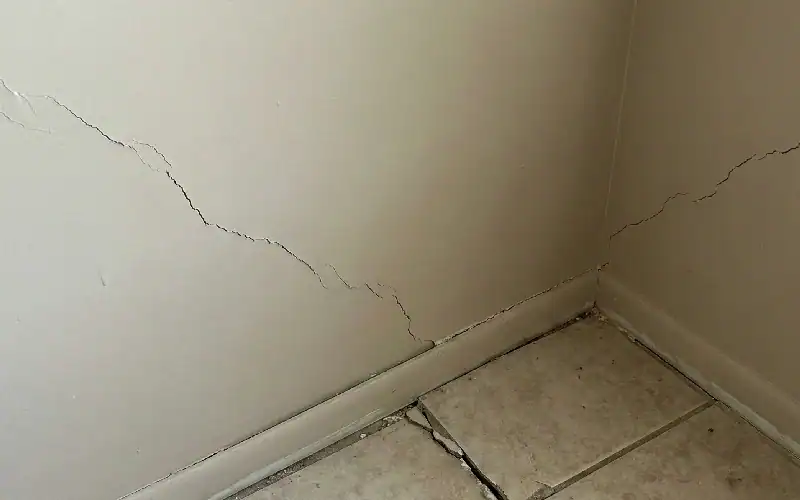
- Shifting soil causes cracks in floors and walls
- Moisture leads to mold growth and water damage
- Structural integrity slowly declines
Even a small leak can lead to extensive damage if ignored.
Most Common Causes of Slab Leaks
There isn’t just one reason a slab leak occurs. In fact, multiple pipes under a slab can fail for different reasons over time. Some of the most common causes include:
1. Poor Installation
Older homes or rushed construction jobs may have pipes installed improperly. Poor installation can leave pipes under stress, leading to cracks or joint failure.
2. Corrosion
Older pipes made from cast iron or other aging materials are prone to corrosion. Over time, corrosion eats away at the pipe until a leak forms.
3. Shifting Soil and Soil Expansion
Changes in moisture levels cause soil expansion and contraction. Shifting soil puts pressure on pipes beneath the slab, increasing the risk of damage.
4. High Water Pressure
Excessive water pressure strains pipes, joints, and connections. Over time, this stress can lead to leaking pipe sections beneath the slab.
5. Normal Wear and Tear
Older pipes simply wear out. Years of running water eventually weaken materials, especially in older homes with outdated plumbing systems.
Warning Signs of a Slab Leak
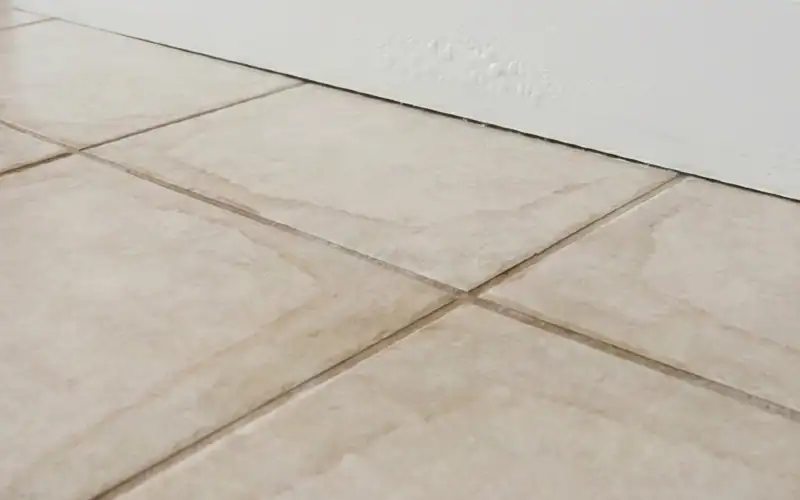
Slab leaks rarely show themselves right away, but there are warning signs every homeowner should know. Catching these signs early helps minimize damage and keep repair costs lower.
Watch for:
- Warm spots on the floor
- Damp spots or unexplained moisture
- Cracks in walls or flooring
- Uneven floors or sinking areas
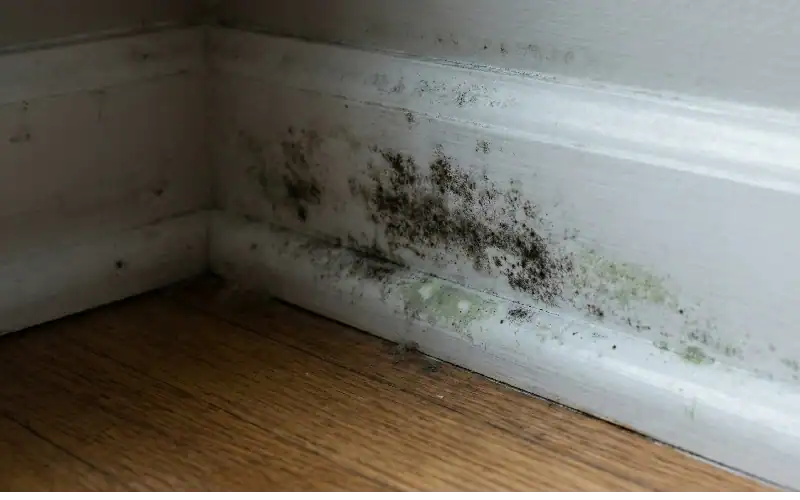
- Mold growth near baseboards
- Low water pressure
- Sounds of running water when nothing is on
- Increased water bills or higher water bills
- Wasted water without explanation
If you notice more than one of these signs, there may be multiple leaks beneath your slab foundation.
How Slab Leaks Affect Your Foundation
Your home’s foundation relies on stable soil to stay structurally sound. When water leaks beneath the slab, that stability starts to disappear.
Soil Erosion
Water escaping from a damaged pipe washes away soil under the concrete slab. This creates empty spaces that leave parts of the foundation unsupported.
Soil Expansion and Shifting
In some cases, moisture causes soil expansion. As soil swells and shifts, it pushes against the slab, leading to cracks and uneven floors.
Structural Damage Over Time
As the slab foundation moves, walls crack, floors shift, and the home’s structural integrity weakens. What started as a small leak can turn into a foundation repair project.
The Role of Slab Leak Detection

Because slab leaks are hidden, slab leak detection is critical. Professional detection helps pinpoint the exact location of the leak without tearing up your entire floor.
At Leak Chasers, slab leak detection tools allow us to find:
- The exact location of the leak
- Which pipe is damaged
- Whether there are multiple leaks
- How long the leak may have been active
Early detection is one of the best ways to avoid extensive damage and reduce the total cost of repairs.
Repair Options for Slab Leaks
Once a slab leak is confirmed, the next step is choosing the best solution. There is no one-size-fits-all fix. The repair process depends on pipe material, location, and the condition of the plumbing system.
Traditional Methods
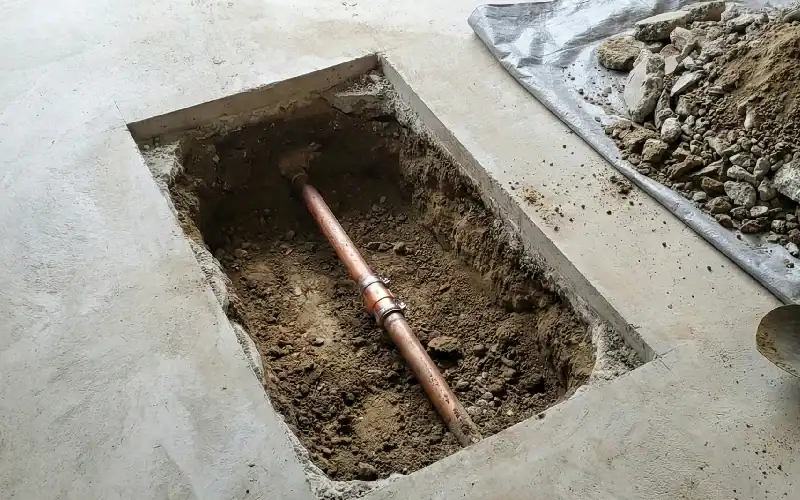
Traditional methods often involve direct access by breaking through the concrete slab to reach the damaged pipe. While effective, this approach can be messy and disruptive.
Trenchless Repair
Trenchless repair is a modern option that offers minimal disruption. It involves inserting a new lining or pipe inside the damaged one, sealing leaks without tearing up the slab.
Pipe Re Routing
In some cases, re-routing the water line is more cost-effective. This method bypasses the damaged section entirely by installing new pipes through walls or ceilings.
New Pipe Installation
If older pipes are failing, replacing them with new pipes may be the best long-term fix. This helps prevent future plumbing issues and reduces the risk of another slab leak.
Slab Leak Repair Costs Explained
Slab leak repair costs can vary widely. Some repairs may cost a few hundred dollars, while others may reach several thousand, depending on the damage.
Factors that affect the total cost include:
- Location of the leak
- Type of pipe
- Repair methods used
- Extent of water damage
- Whether foundation repair is required
Acting early usually keeps costs lower and repairs simpler.
Slab Leak Repair in the Middle of the Problem
This is where professional slab leak repair makes all the difference. Once a leak has been detected, choosing the right repair method can stop water damage, protect the home’s foundation, and prevent future leaks.
Working with experienced professionals helps avoid guesswork and unnecessary destruction of floors and concrete.
How Long Does It Take to Fix a Slab Leak?
Homeowners often ask how long it takes to repair a slab leak. The answer depends on the situation.
- Leak detection usually takes a few hours
- Simple repairs may be completed in one day
- Complex repairs involving re-routing or foundation repair may take several days
The goal is always to fix the issue while minimizing damage to your house.
Why Ignoring a Slab Leak Makes Things Worse
Ignoring a slab leak never makes it go away. Over time, water damage spreads, soil erosion increases, and structural damage becomes unavoidable.
Common long-term consequences include:
- Cracked concrete and floors
- Compromised walls
- Mold growth throughout the house
- Increased water bills month after month
- Extensive damage requiring foundation repair
What could have been a manageable leak repair turns into a major project.
How Leak Chasers Help Homeowners
At Leak Chasers, we specialize in finding and fixing slab leaks before they cause lasting damage. Our team uses advanced slab leak detection tools to locate leaks accurately and recommend the best solution for your home.
We focus on:
- Early detection
- Cost-effective repair options
- Minimal disruption to your home
- Long-term plumbing solutions
- Protecting your home’s foundation
Whether your home has older pipes, cast iron plumbing, or modern materials, we know how to fix the problem the right way.
Staying Ahead of Slab Leak Damage

Slab leaks are one of the most serious plumbing issues a homeowner can face. Hidden beneath concrete, they quietly damage soil, weaken foundations, and raise water bills without warning. Knowing the common causes, warning signs, and repair options puts you in control.
If you suspect a slab leak or notice signs such as warm spots, uneven floors, or higher water bills, don’t wait. Contact Leak Chasers today for professional slab leak detection and repair. We help protect your home, your foundation, and your budget before minor problems turn into major repairs.